When we hired the camper van we also got an ipad, one to route navigate and second to locate michis, campsites etc. So far it had done a really good job. Sometimes you click on the location and you get lots of information and other times there isn’t much information. So far we had found it didn’t matter regards either as we always have ‘landed in our feet.’
However leaving Nara we decided that we needed to slowly make out way back to Tokyo. Not wanting to go back the way we came we decided to return via the coast and experience a different side of Japan, literally.
We headed towards Toba, to a campsite that was on a cliff top. It gets dark very early in Japan and outside of the cities it seems as though people go to bed earlier, we were worried as to whether they would be open, but again it’s always been find to park up settle in the morning. When we arrived at the campsite we didn’t get a very good feeling at all, knocking on the door of the reception a woman came and pulled a face. Then she called her husband. I think we had woken them up so it wasn’t a great start. Interestingly they didn’t look very Japanese. They said the site campsite was closed. But there people walking to and from the toilet block so it obviously was open. We weren’t going to argue because we didn’t get a good feel for the place. I think it was the first time we have seen anyone making the X gesture.
To indicate “no” in Japanese , often people will cross their arms in an X shape in front of themselve. This gesture just feels a little disconcerting because it seem a very strong type of gesture and it made us feel as though we were doing something very wrong, not just asking if we could camp.
The woman stood by the path making sure we got off her land. It was all a bit strange.
So… Not to worry there was another campsite nearby, we headed off for that one. That turned out to be quite surreal. As we rounded the corner and the satnav said you are now at your destination, we looked round and thought really??? It was a 5 star hotel, all new, glitzy and swanky. Obviously there had been a campsite there at some point but now it was a hotel. We ended up driving another 12km to a michi. That was fine….. It was a long night. On the plus side we had found a shop earlier that sold cheese at a reasonable price, so we had cheesy pasta. Japanese do not eat as much dairy and what they sell isn’t great and is expensive.
When we got up we headed towards the beaches near Osatsu.
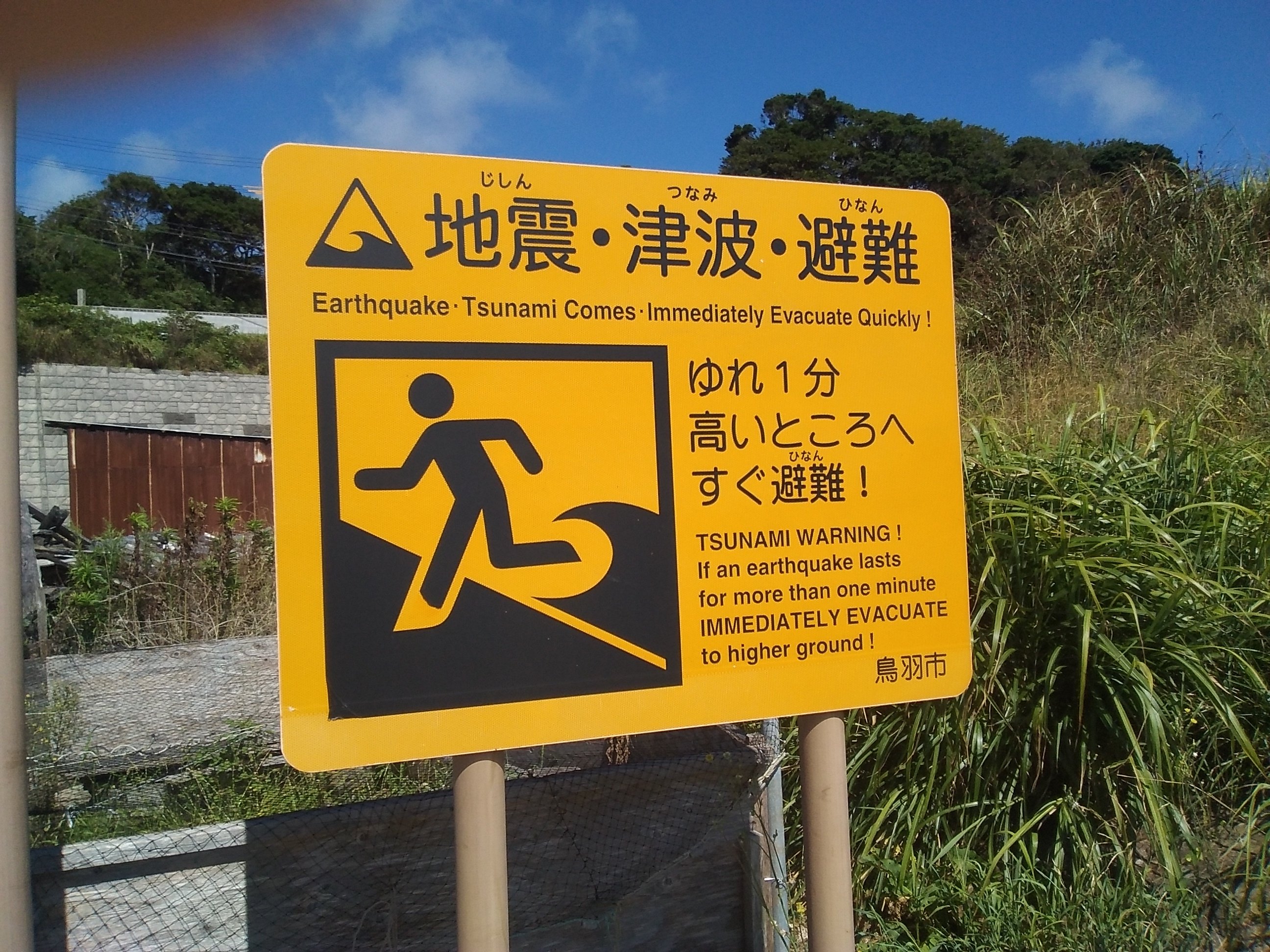
One of the most obvious things we noticed now we were on the coast were the tsunami warnings and what to do. Also the tannoys that line the front, to give a warning.
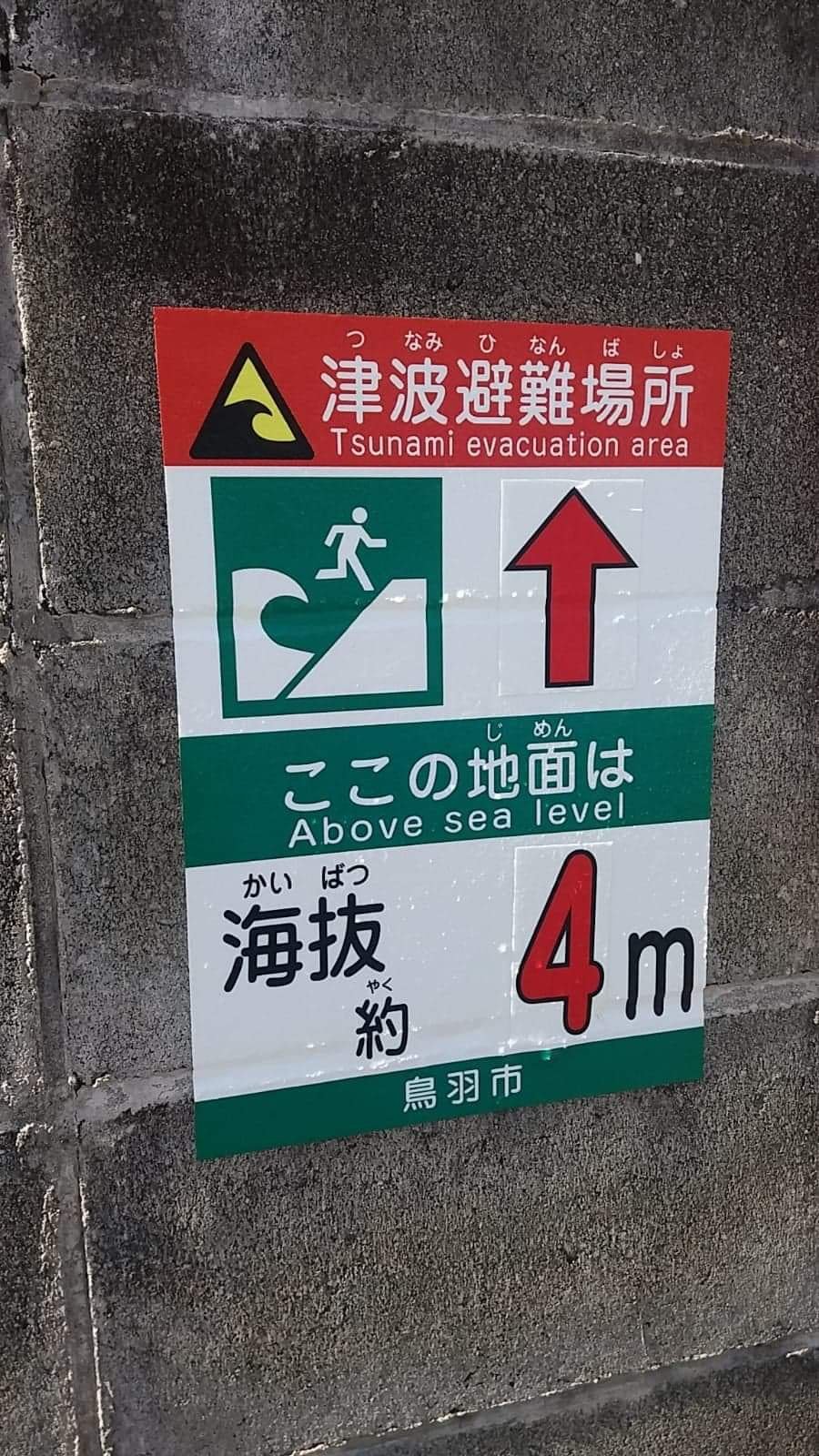 Every so often there would be an arrow showing a route to a tsunami evacuation place.
 The first beach we found was too wild for me but Pete went straight for it, I was very anxious.
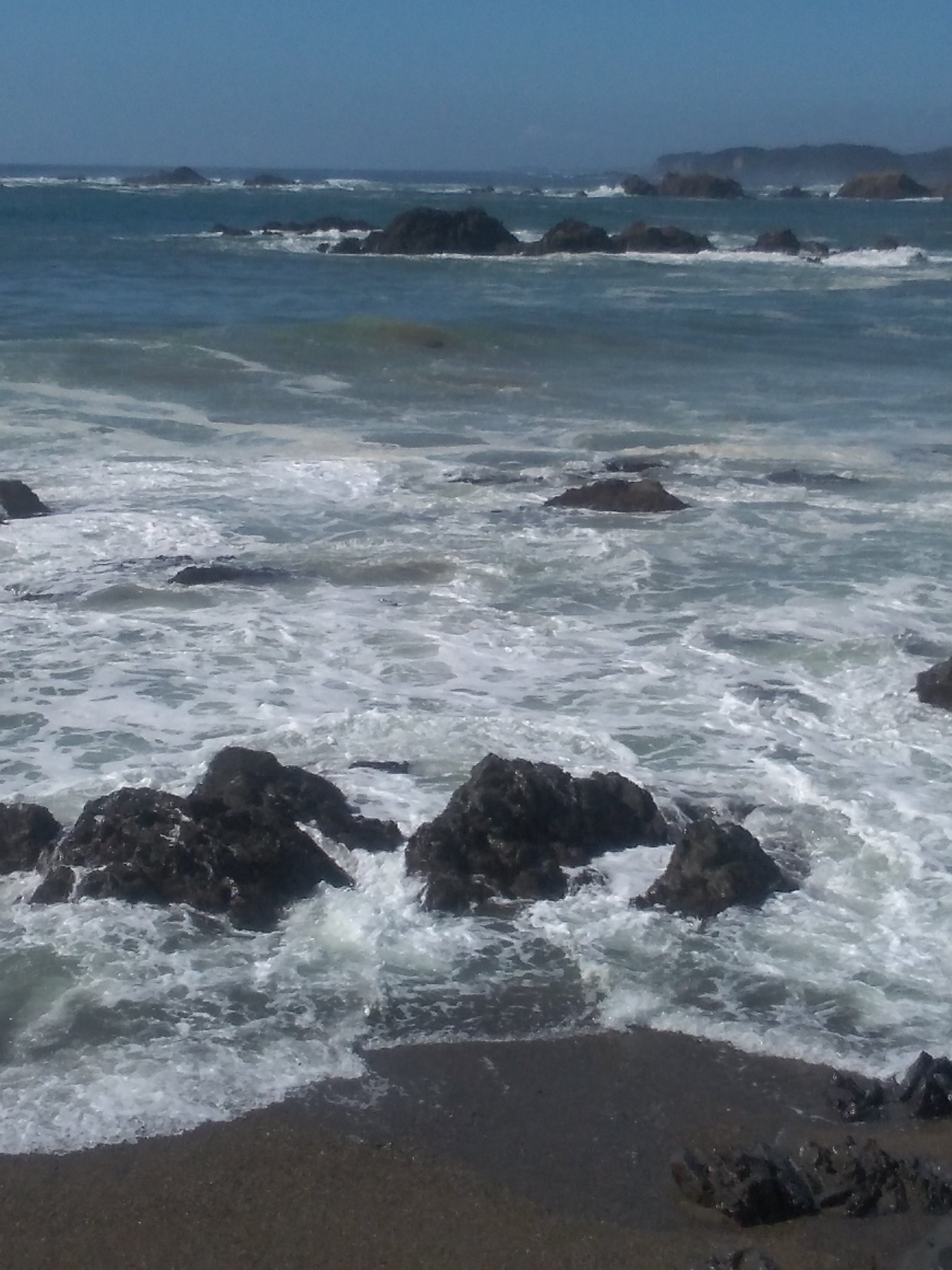
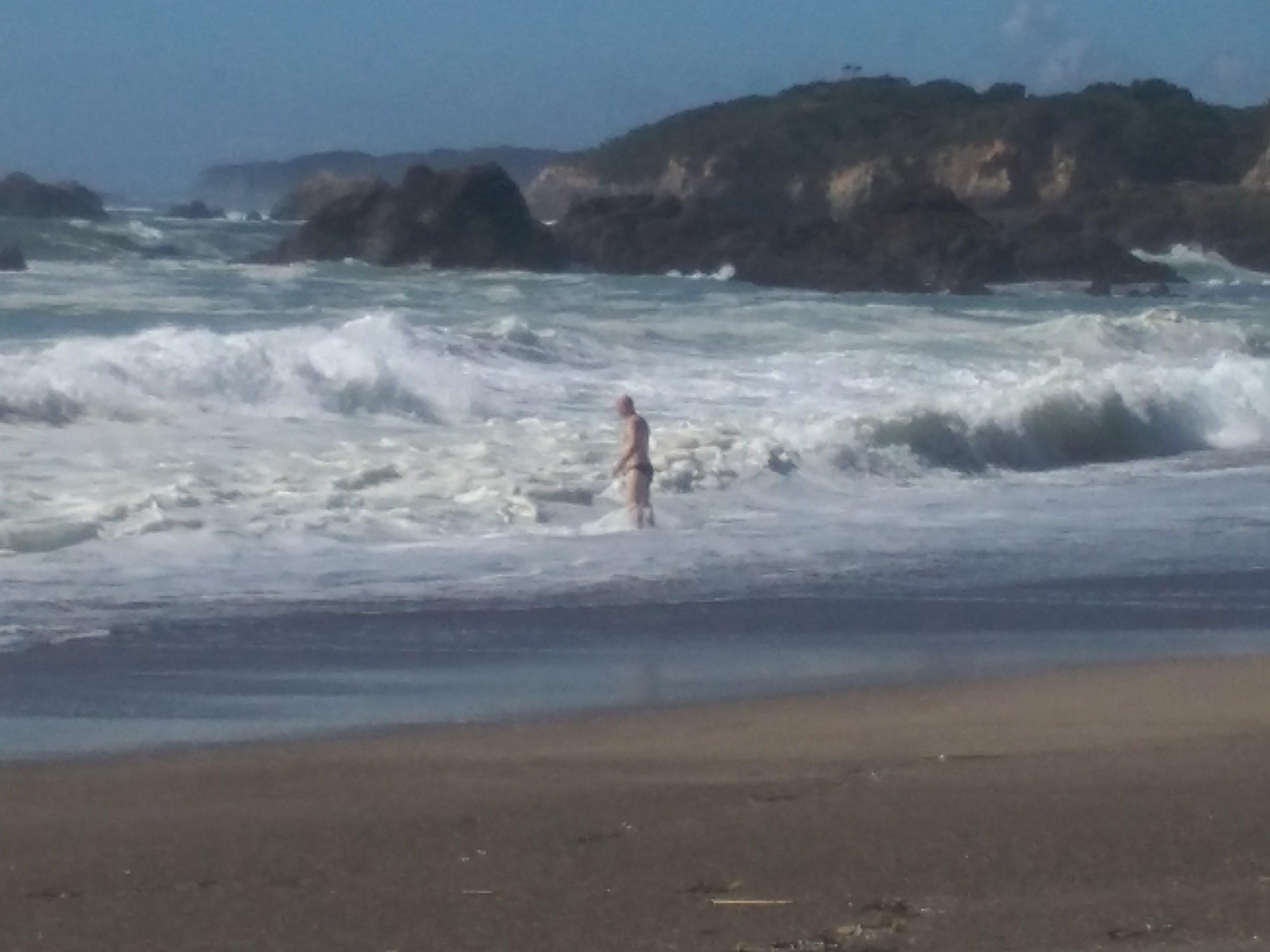
 He kept getting flattened – it certainly wasn’t a swimming beach.
We headed further down a few kilometres and found somewhere far more suitable. The sun was scorching so we hired a tent for protection.
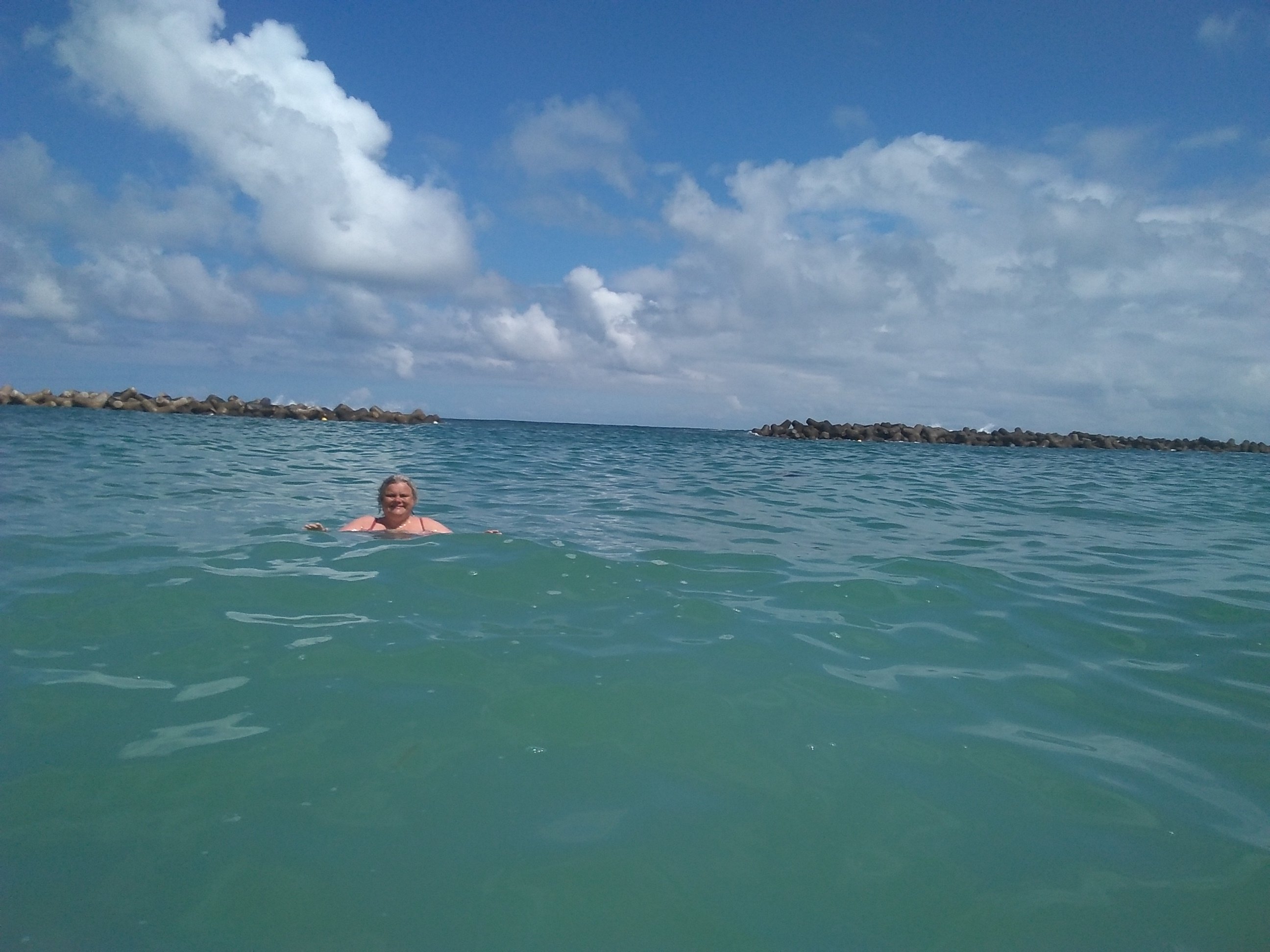
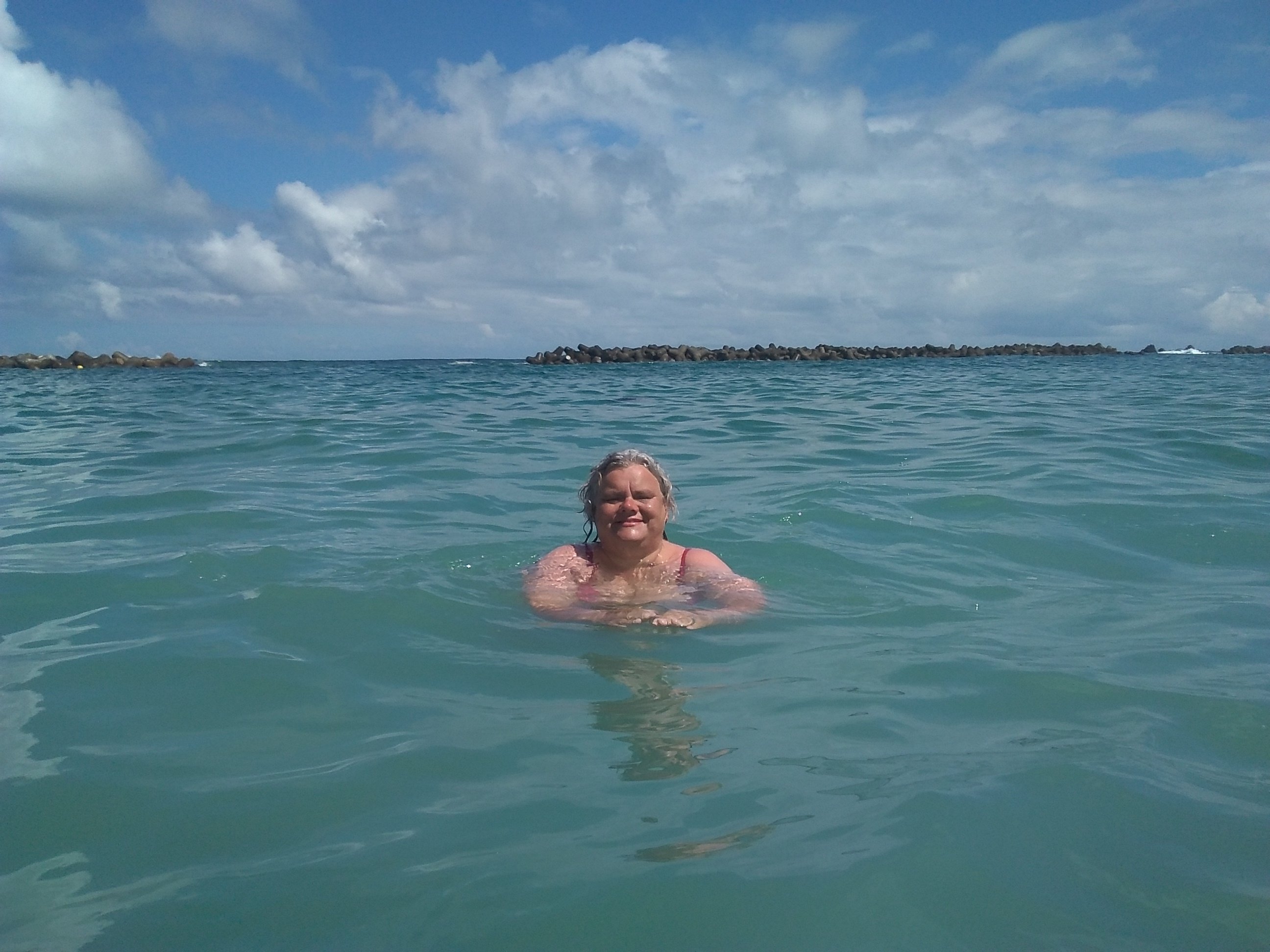
Pete went for a walk and I swam and people watched. The Japanese seem to really love their inflatable devices and age was no barrier! In fact we were not only the only Westerners of the beach but the only ones without an inflatable. Whilst Pete was exploring my imagination was going overtime as I surveyed the beach, colourful inflatables, laughing children, squeals of delight and all the time I was thinking this wouldn’t look out of place in a disaster movie involving a tsunami. They always start off with a scene that looks perfectly normal land then……..all hell would break loose, the tannoys would be blaring out, there would be a mad dash off the beach. And so on…. Obviously I overthink things.
Anyway luckily I got distracted by these thoughts when I saw a group of young people, blindfolded hitting a watermelon, which seemed strange on lots of different levels, watermelons are expensive, it’s not the normal beach activity (or maybe it is in Japan), they were all fully clothed. 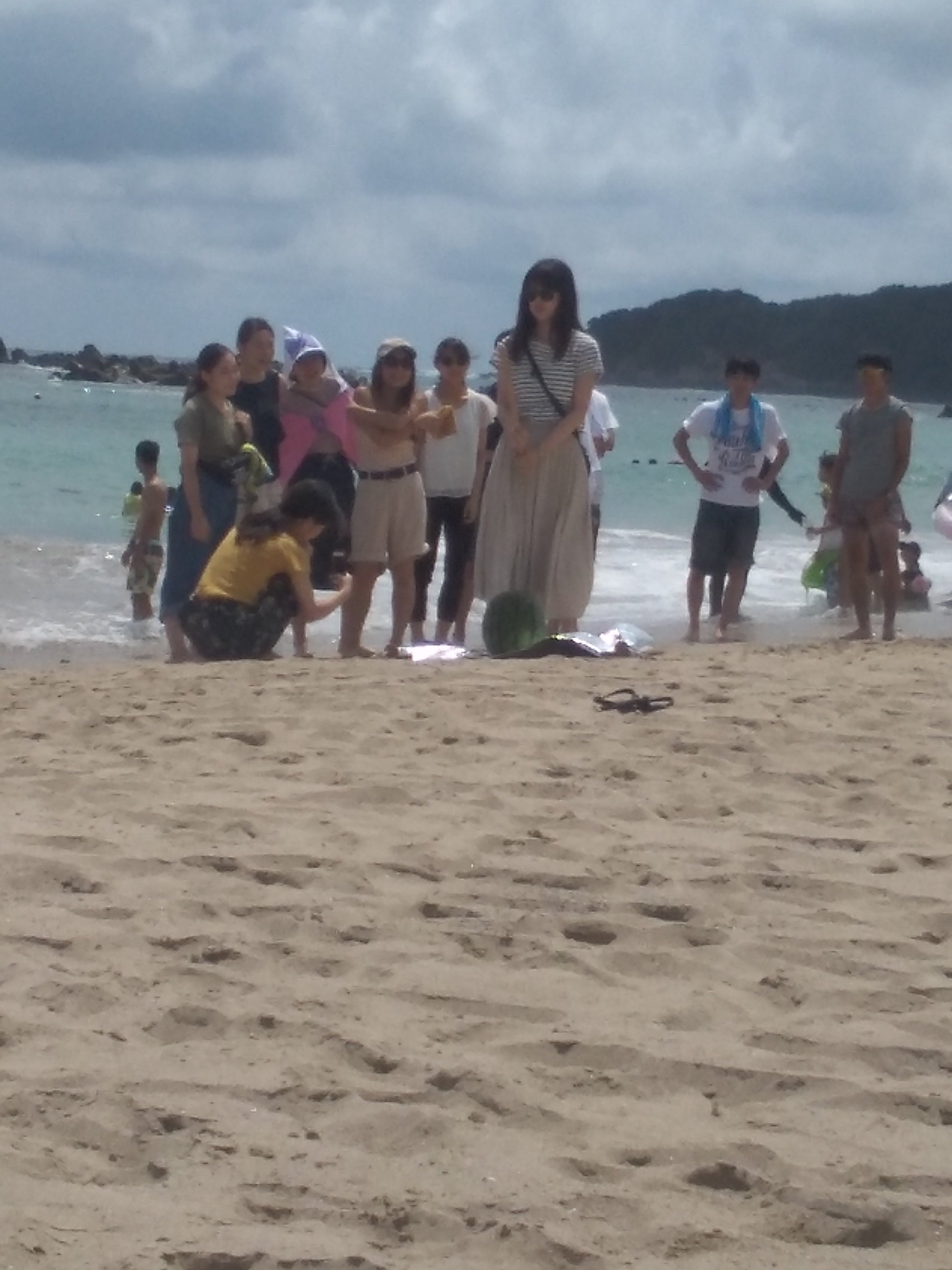 So of course I googled it to find out what was happening. So I found out it is a traditional game. A warermelon is laid out, and participants one by one attempt to smash it open. Each is blindfolded, spun around three times, and handed a wooden stick, or bokken, to strike with. The first to crack the watermelon open wins. I found out that it is perfectly normal to play on the beach as it is a summer game and it is called suikawari. Not only that it is taken seriously as there has been a suikawari association. I think it’s folded now but here goes:
Japan Suika-Wari Association Rules
The Japan Suika-Wari Association (JSWA), established by the Japan Agricultural Cooperative (JA), established a set of rules in 1991 governing the game.The JSWA was created by the JA to increase consumption of watermelon. The organization no longer exists. The rules established were as follows:
- Distance between player and watermelon: over 5m, and within 7m
- Stick: Circumference of 5cm; length equal to or less than 1m, 20cm.
- Material to use for blindfold: JSWA-recognized blindfolds. To verify that the player was truly blinded, observers were encouraged to drop a 10,000-yen note in front of her.
- Watermelon: a well-ripened domestic melon.
- Time limit: 3 minutes.
- Judging: Judges should rate the player on how pretty a break between halves she managed to make. Players who cleaved the watermelon in equal halves could come close to a perfect score, while players who broke them into unequal parts would receive lower marks.
- Other details: Judges should have eaten at least 10 watermelons in the current year.
I think this is why we like to go off the beaten track because you see things that you may not ordinarily do if you just stick to the top destinations.
After a very long time on the beach was a great relaxing experience we went to Otsatu, as I was interested in finding more out about the ama. The ama are women divers – it’s thought they have done this for well over 2000 years. They were honoured as their role originally was to retrieve abalone for shrines and imperial emperors. Latterly they have dived for pearls. The region is famous for introducing the first culture pearls. I had read about the ama previously and had seen old photos, they looked such strong women. Women were chosen as divers for their fat distribution and their better ability to hold their breath.
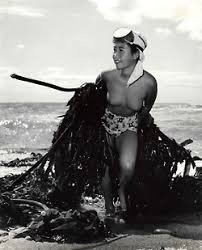 Originally they only wore loincloths but Las time went on they now wear a white suit. In the 1940s there were 6000 ama now there are only about 60 and Osatsu is the main area.
 We went to the museum, there is a lot of art work linked to the ama.
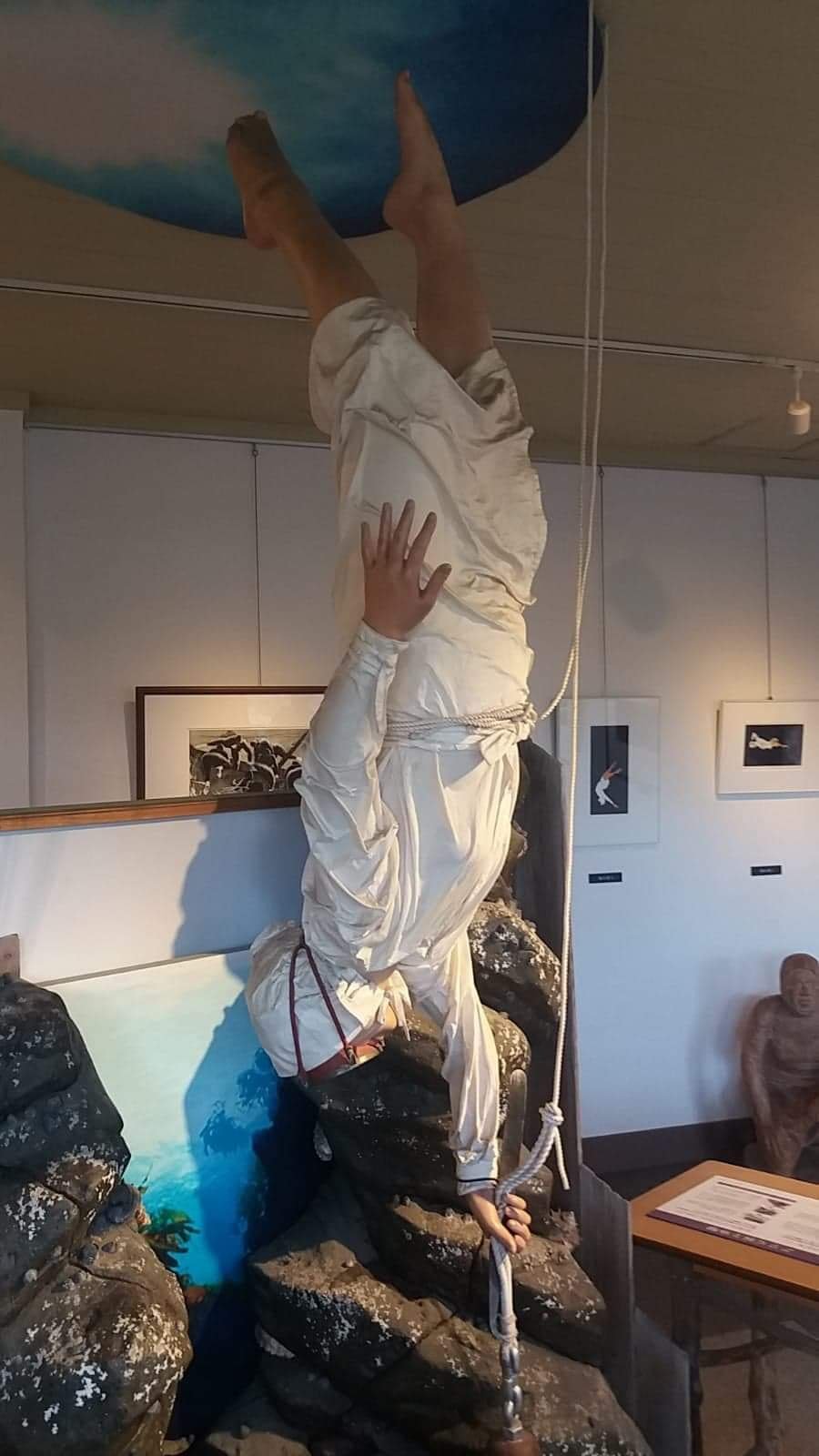
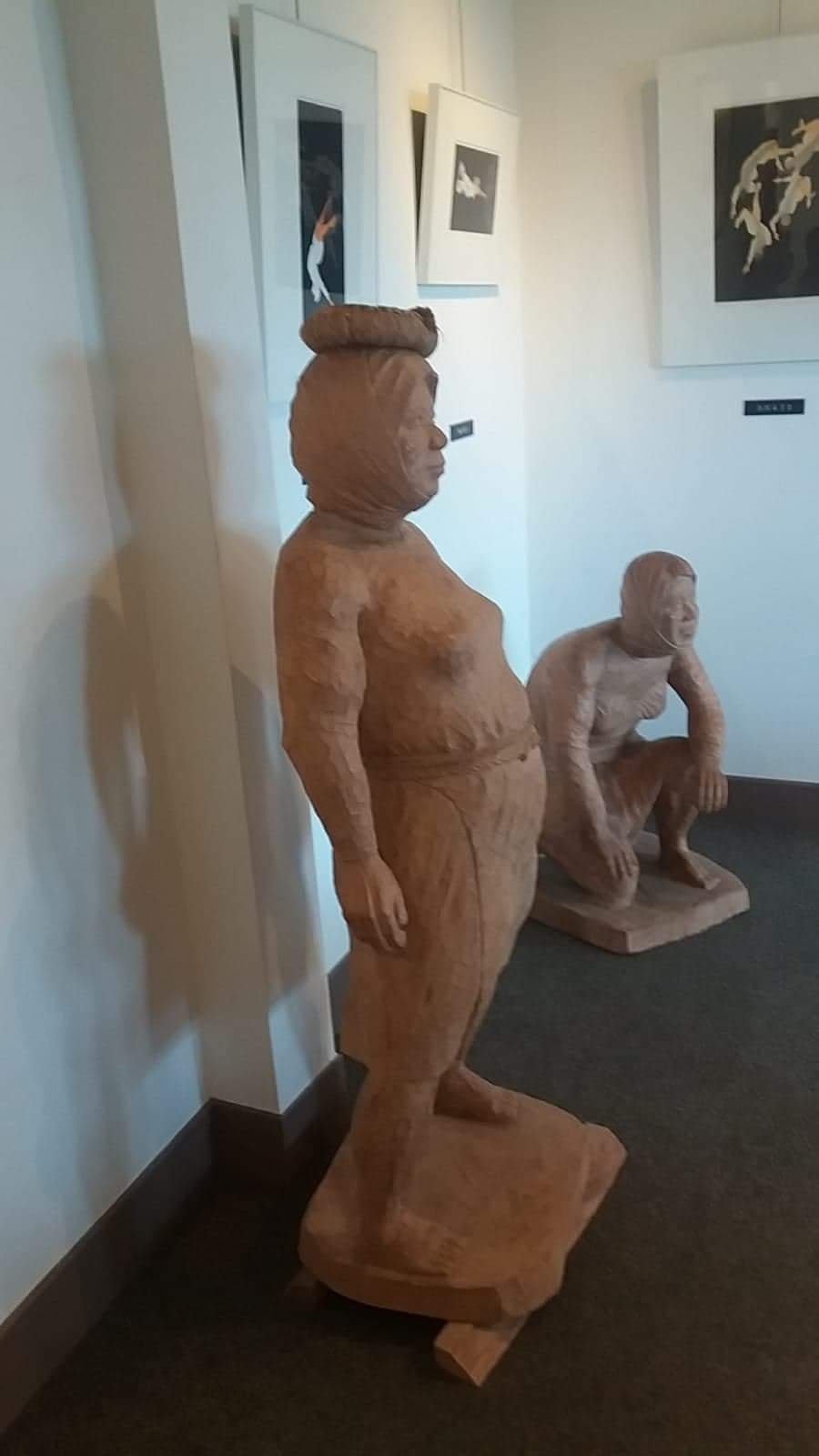 James Bond in You Only Live Twice got it together with an ama, Kissy Sususki.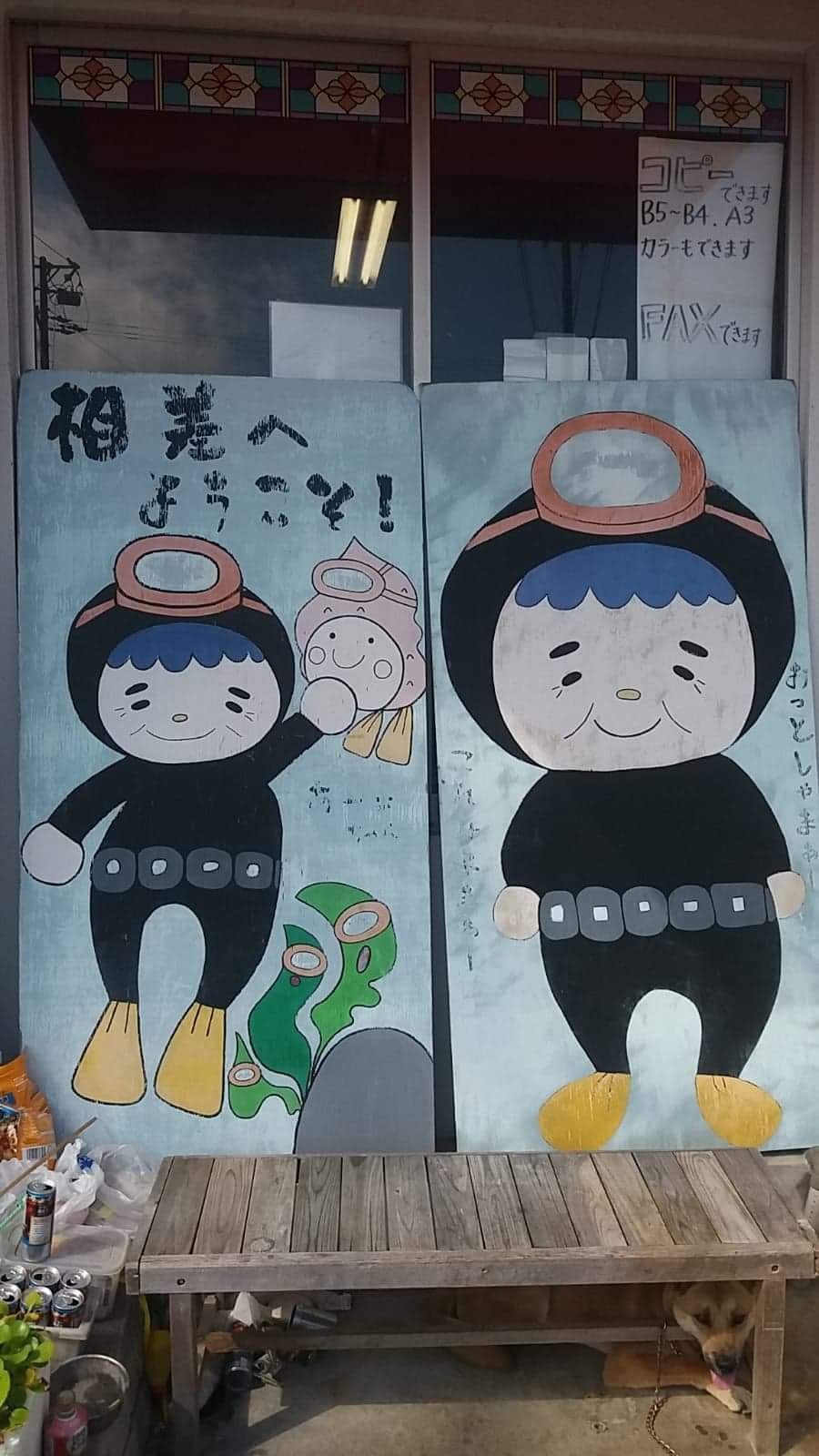
We visited the ama House where they will cook what they have got on their dives.. There are women still doing it in their 70s!
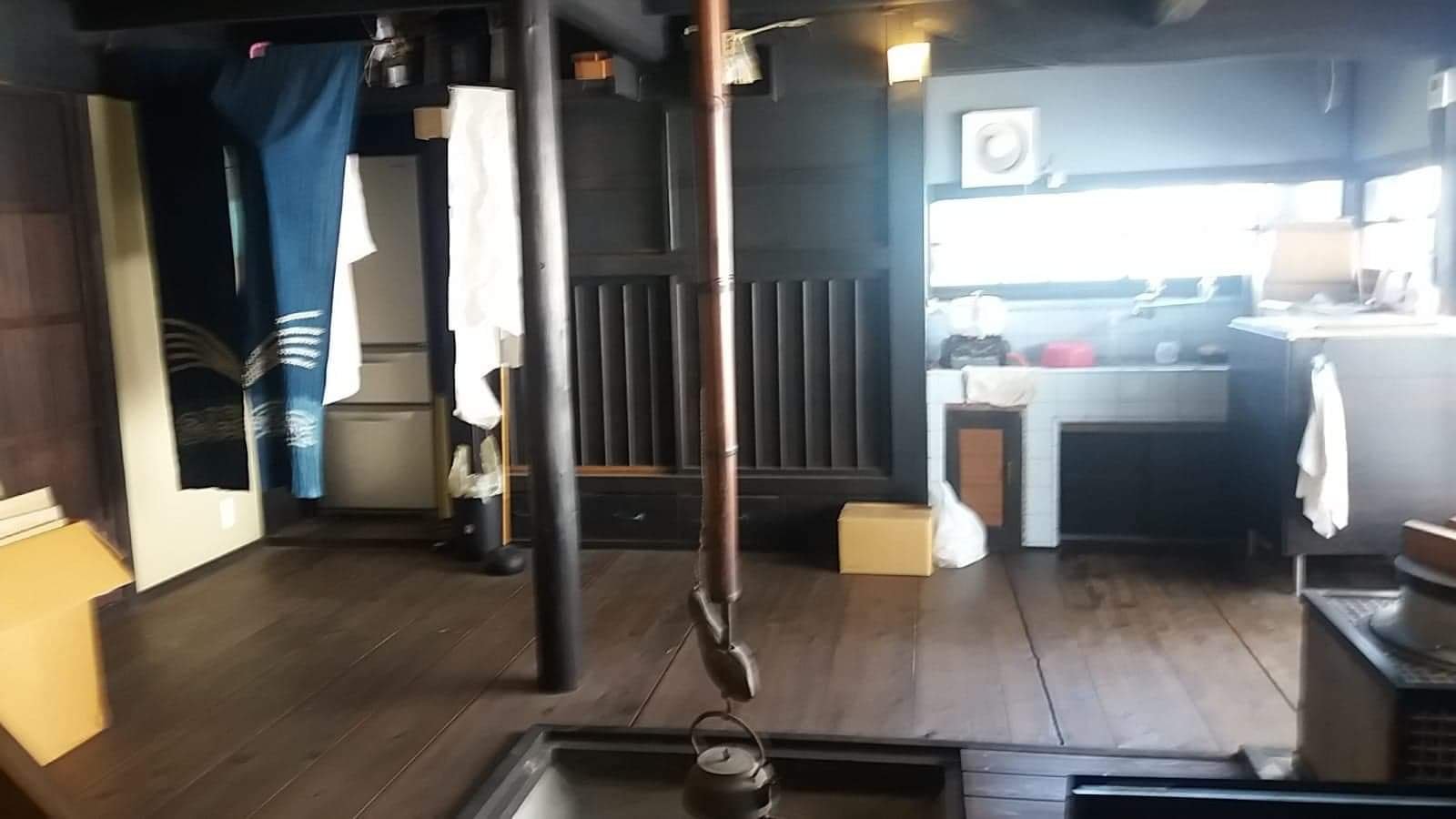 I would have loved for an experience like this but there were several constraints, whatever they cooked would have come from the sea, like urchins so wouldn’t have eaten it, they wouldn’t speak English and you have to have 4 to book. I watched YouTube videos instead.
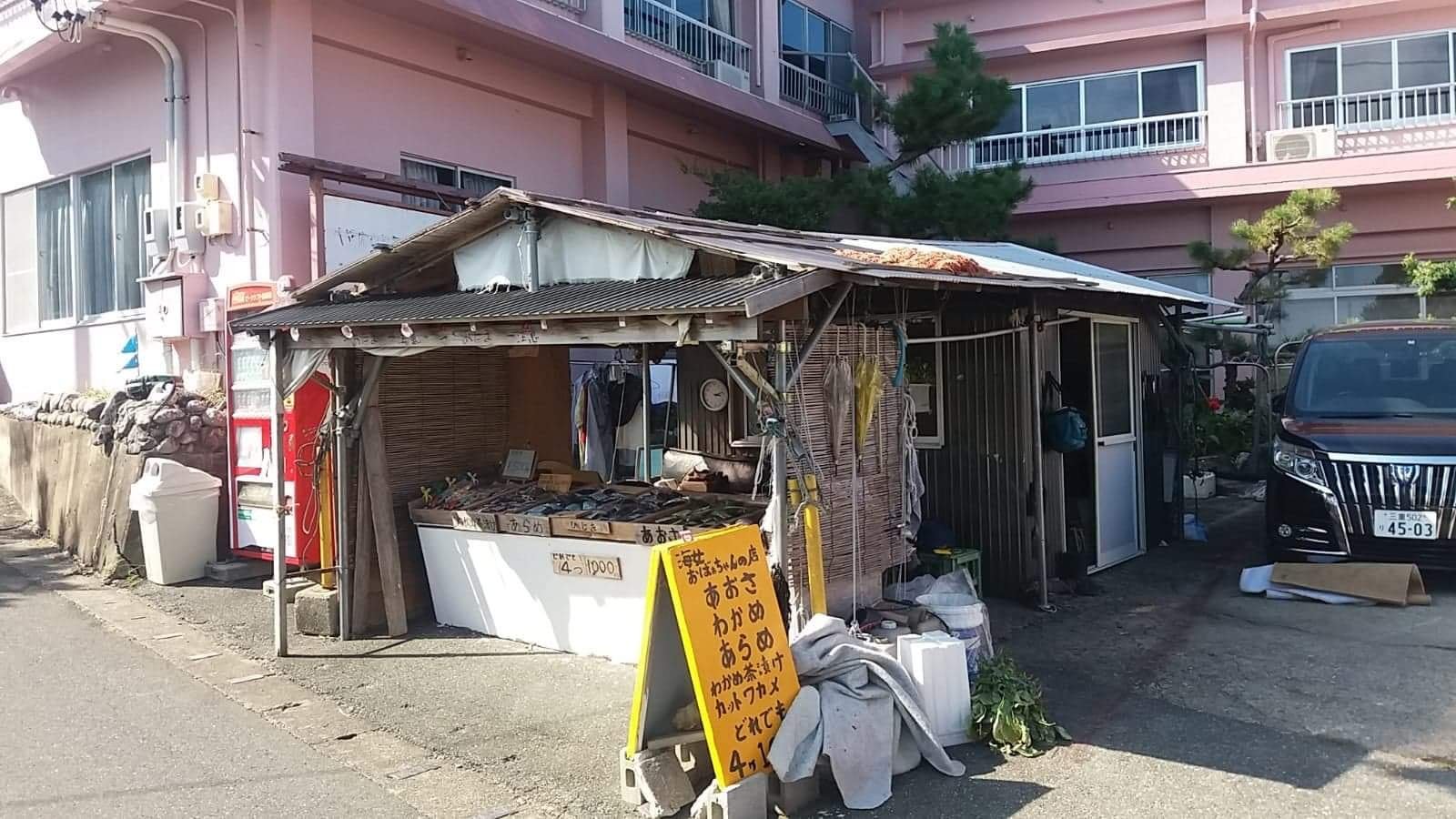
 On the path where their house is there were several small huts selling things like seaweed products, run by old women, maybe they were ama.
 At the top of the path was yet another shrine…. Aghhhhh!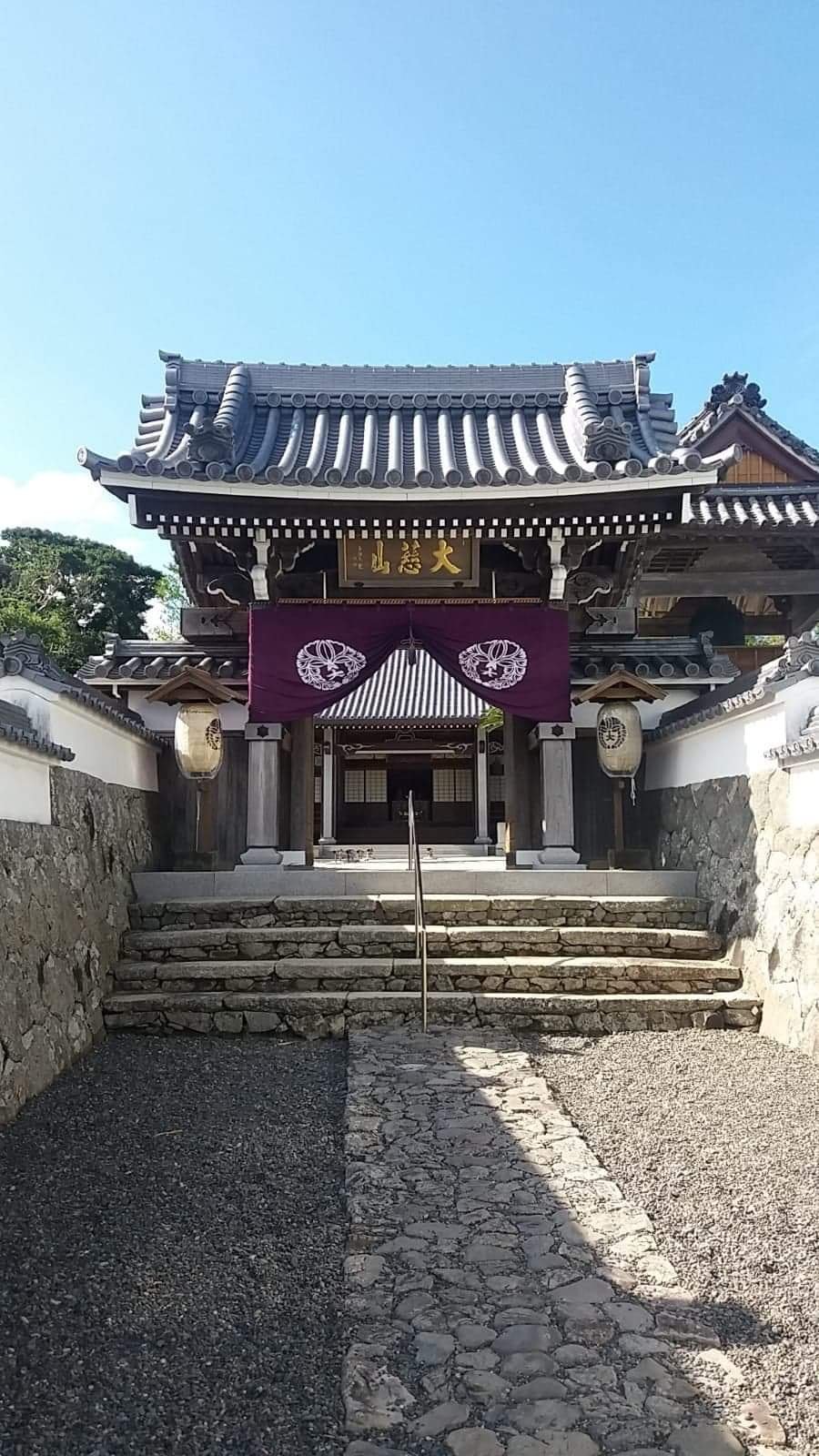
 Random Acts of Travelling