
We didn’t finish with the diamond visit, we decided to go to 4 museums in a day. The last was the Dutch Resistance Museum and the one I had been looking forward to visiting. It didn’t disappoint to the point that we were the last out.
We were given headsets which meant not only was there a lot to look at, there was also a lot to listen to as well.
Unless you read History books most of what we tend to know about things like the Second World War comes from school. But it’s so narrow and plans seem to be afoot again regards the History Curriculum. The bare facts are known but not always the whole picture. Well maybe I am talking about myself, maybe I am ignorant. It’s made me realise I should read more. Once I start dropping days at work I can start picking up more books and hopefully getting more enlightened about lots of things.
The museum shed light on a whole area which I had a very patchy knowledge of. What happened when the Germans invaded Holland. The level of resistance was something I hadn’t been aware of. In the autumn of 1944 300,000 people were hidden by the resistance.
When you go into the museum there are three questions asked. In a situation like this, do you resist? Do you collude? Or do you hide? And those were the questions that people had to answer all those years ago. Put into the context the museum does, it was more apparent to me how hard those decisions were. I can’t see I would have colluded but hiding or resisting held a high price.
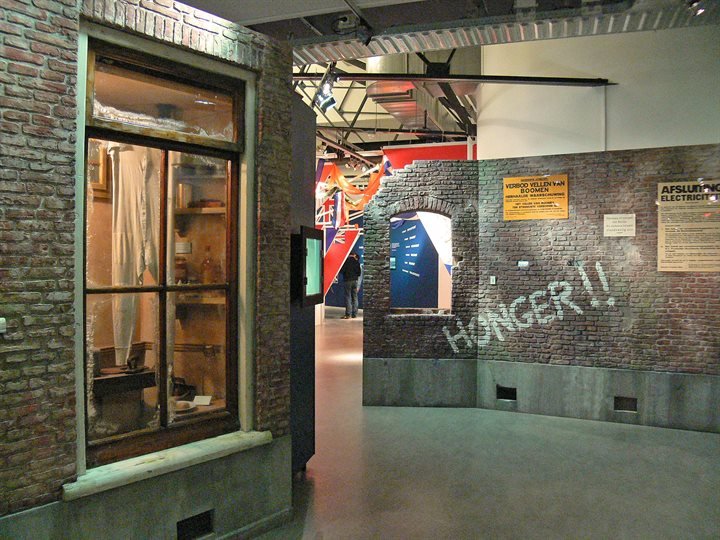
We heard stories of people who were hid, of people who did the hiding, those who went on strike – from farmers to tram drivers and seamstresses, those who returned and those who didn’t. The February strike in 1941 was as a result of 400 Jews being deported. Where is the solidarity with the Windrush ‘deportees’.
Underground networks producing news was an elaborate process and one which was vital to counteract the Nazi propaganda. Interesting parallels with the present. The Nazis would kill those who would try to rise up and vindicate themselves in the press with stories that those killed were trouble makers etc.
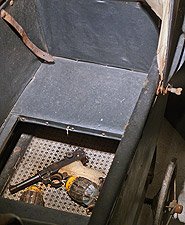
Many men and women alike who could see what was happening to their neighbours, their friends, their boss’s and their colleagues, thought nothing of putting their lives on the line. They didn’t buy into the lies and subterfuge of the Nazis when they first invaded and their fears were quickly realised. If only people nowadays could have their eyes a bit wider and realise the role of the media nowadays, in the way reality and truth are manipulated. I would like to think I would fight.
There were stories of what happened when people came back to Amsterdam. One young Jewish girl was told when she returned not to moan about what had happened in the camps as those who had been left behind had experienced hardships! Many church members were part of the resistance movement and one young man described a similar reception. Again and again stories indicated that dealing with the survivors hadn’t been thought through and the end of the war wasn’t the end to their troubles straightaway.
Consequently, when the war ended Jewish survivors had no papers and no passport. They were in essence people of no nationality, with no official name, no home and no country to return to.
Those survivors who did begin to return home to search for relatives were often treated with hostility from the non-Jewish population. Many of the locals feared that the Jews would demand that their property and belongings be returned
A bit of lightness in the shape of an exhibition about clothes during the war. Jumpers made of dog hair, dresses made of parachute silk, and many other ingenious ways of remaining ‘chic’ during the war years. Although why there were wigs that you could put on was something I couldn’t quite figure out.
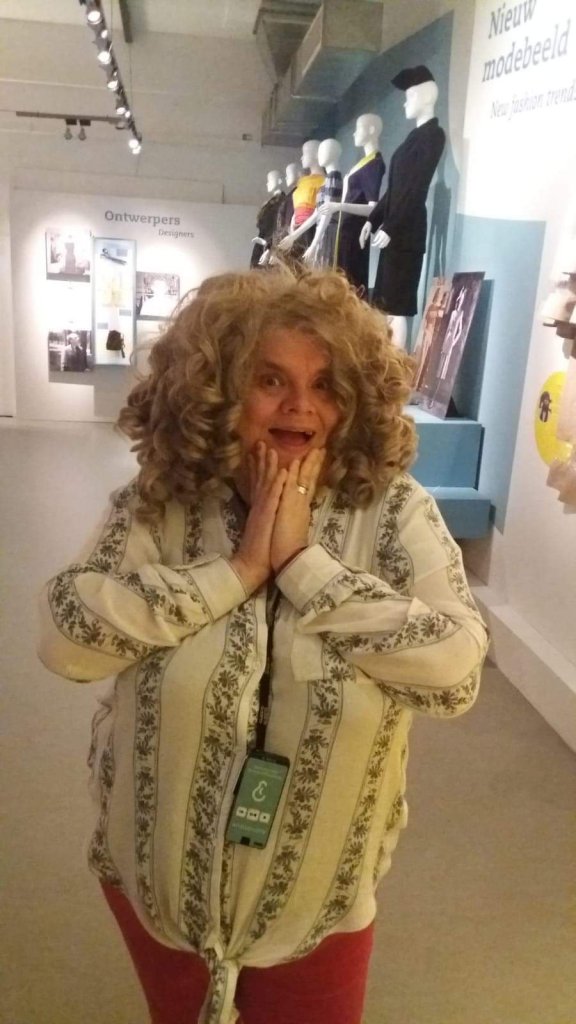
That was the end of our first day pretty much – really interesting but very tiring.
Next morning we had a very lazy lie in. No signs of any rats. Our peace was interrupted now and then with the bang of the numerous fire doors in the hotel.
We decided not to be quite as ambitious on our second day. We were not training in the Olympics for museum visits.
We decided to visit the nearby Rijksmuseum. Last time I came with Annie it was closed for renovation, a project which cost € 375 million.
The museum has on display 8,000 objects of art and history , having spent well over three hours there and accumulated quite a step count, I think we must have seen the cast majority of them.
I like going to galleries etc but I haven’t a clue about what it’s all about. I either like it or not. I know that some things that are painted will have a symbolic meaning but oftentimes I wonder whether the artist meant all the things that art historians say. It makes me think of an English teacher, Mr Hoyle, who taught me at 6th form. We were studying Hamlet and there is one line, something along the lines of ‘I am too close to the sun.’ I was told that this line could be interpreted in about 9 different ways. So I asked that when Shakespeare wrote was his intention to write things with this number of interpretations. Mr Hoyle said of course he did. But how I persisted, to which he replied ‘unconscious genius’. To which I probably said something like bollocks, for at 17 years old I knew everything. But looking back I still agree, maybe artists just paint a few things into their paintings for a reason but not all the time surely?
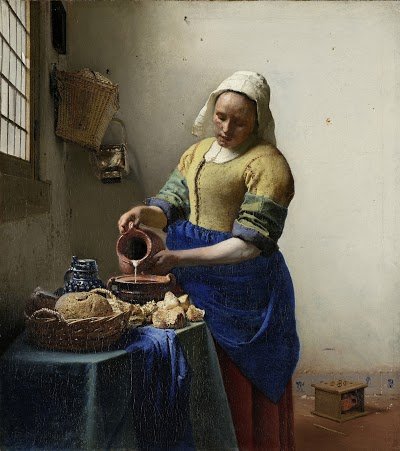
Vermeer’s Milkmaid is the museums biggest draw. It’s been likened to the Mona Lisa because you can’t tell what she is thinking, is she just concentrating or daydreaming. In a museum with paintings that stretch for metres this did look very small by comparison, much like the Mona Lisa.
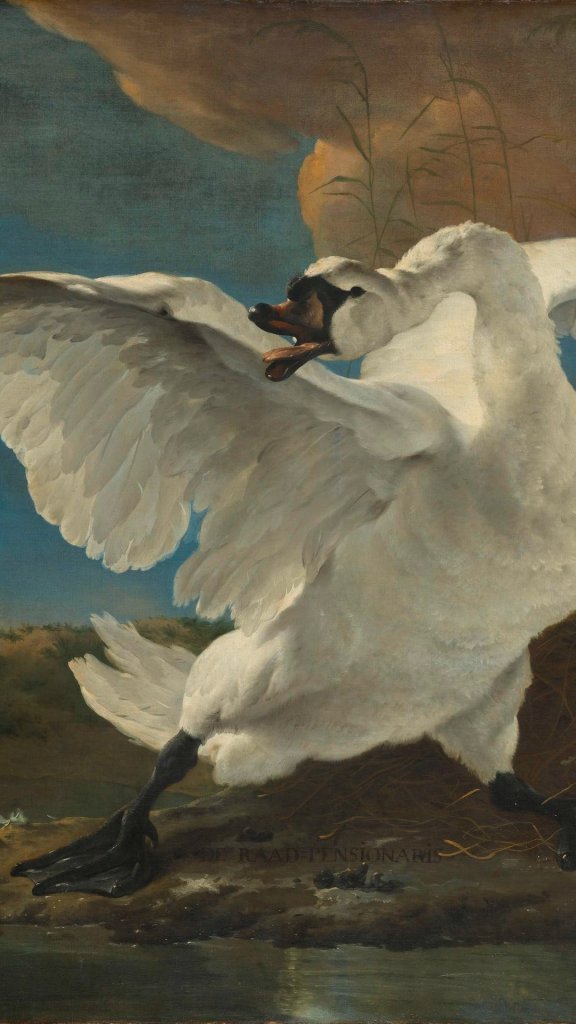
There were so many paintings I liked but ones like The Threatened Swan painted by Jan Asselijn in the 1600s really caught my imagination. The movement of the Swan as if it could leap out of the canvas gives it an immediacy that really drew me in.
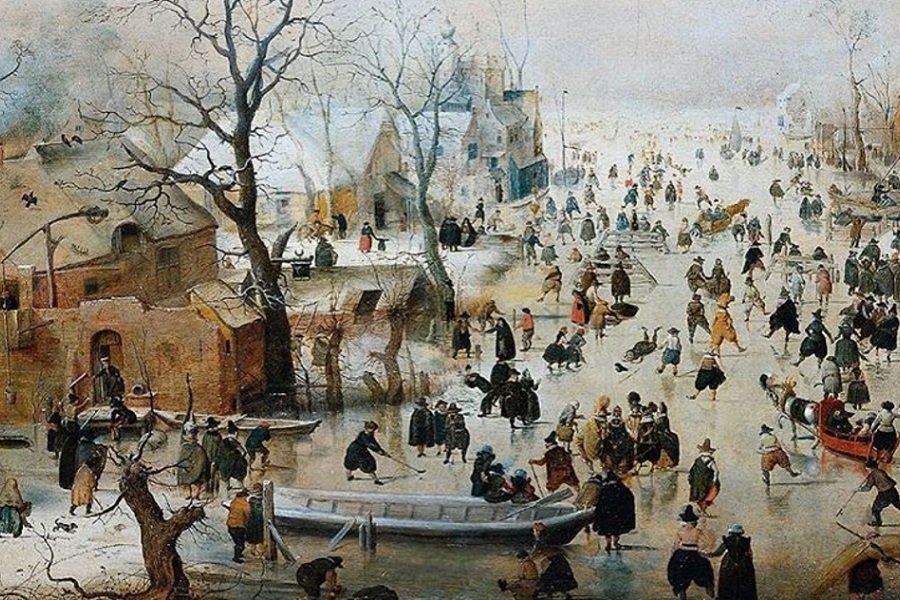
I remember seeing this picture for the first time when I was about 10. Hendrick Avercamp’s Winter landscape with Iceskaters painted in the 1600s. As was in the fourth year in Granny Granville’s class. We had to study the picture and then write a story about it. We so much going on it was hard to pick but the picture did make a lasting impression one me.
There were a lot of icy scenic paintings in the museum around from around this time because there had been a little ice age between 1450 and 1850 and the final quarter of the 16th century proved particularly cold. There are people skating, others playing a 17th century variety of ice hockey known as ‘kolf’ and some sledging. If you look closely. On the left you can see a man’s bare bottom by an upturned old boat.
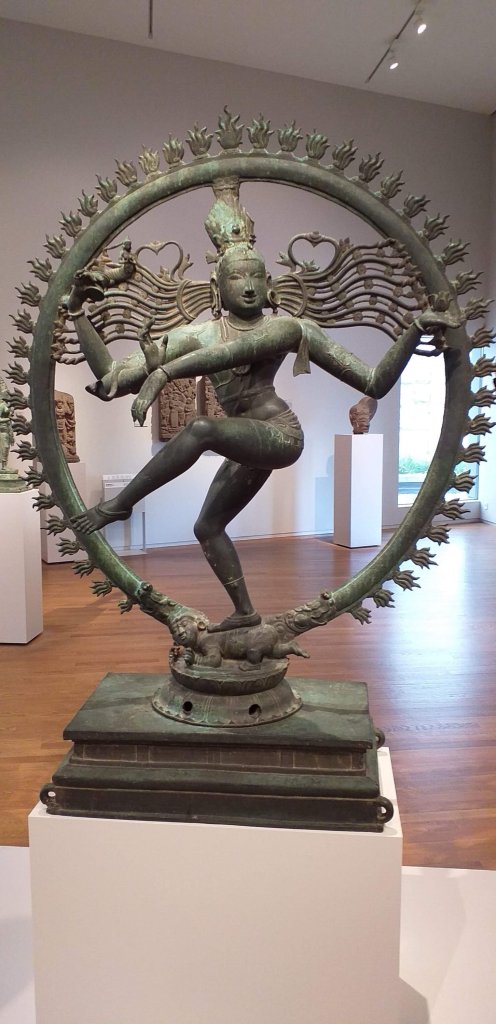
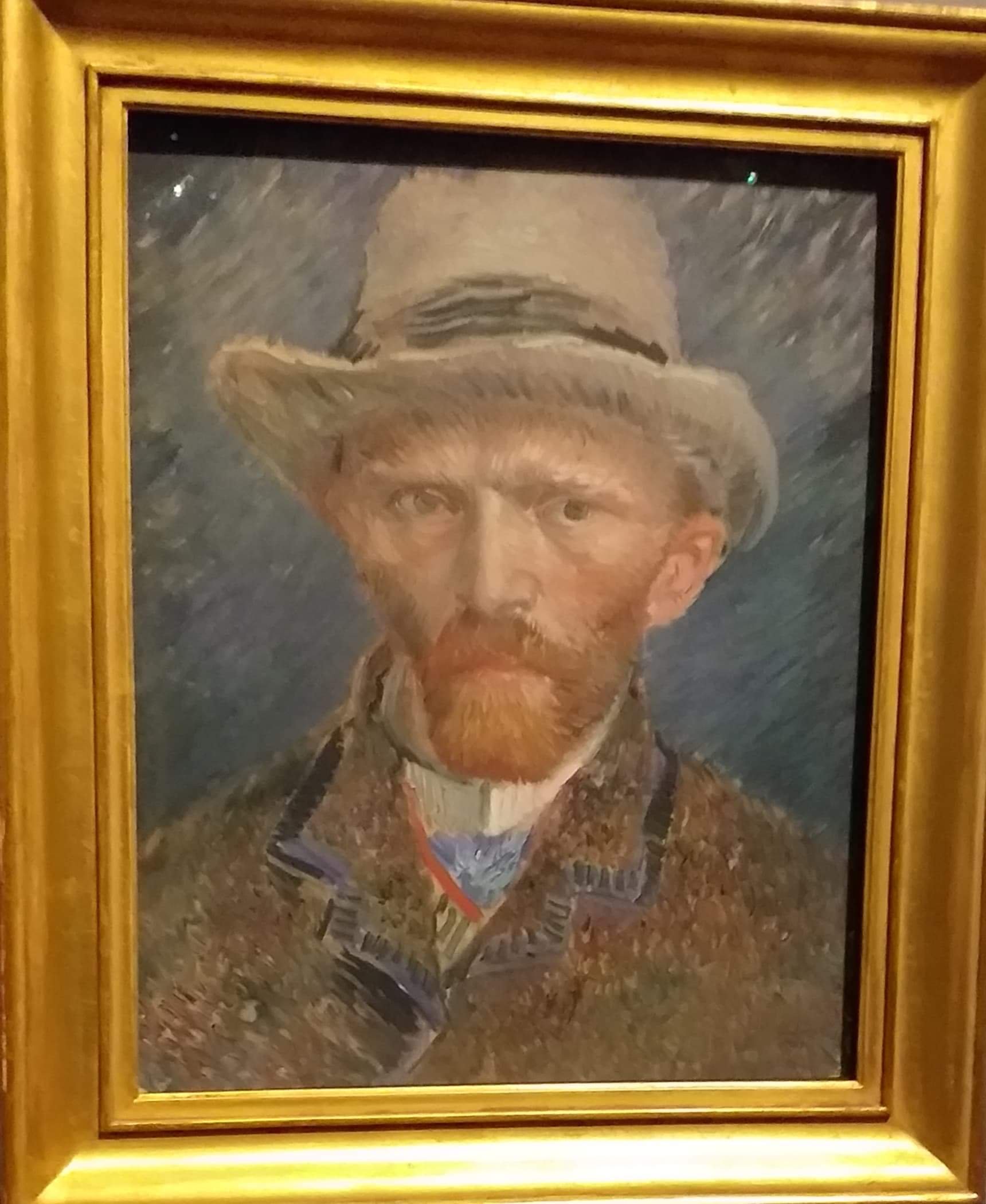
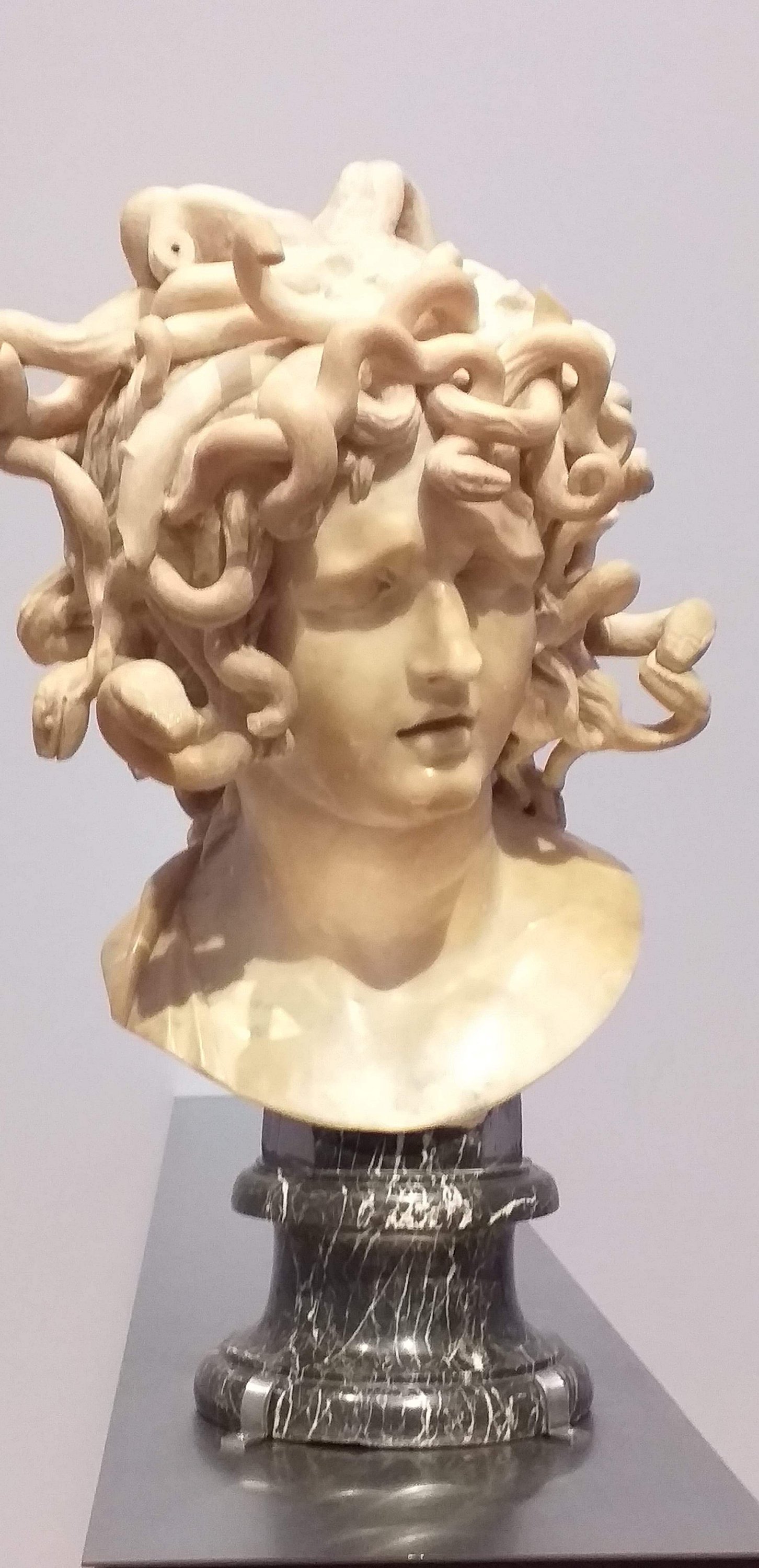
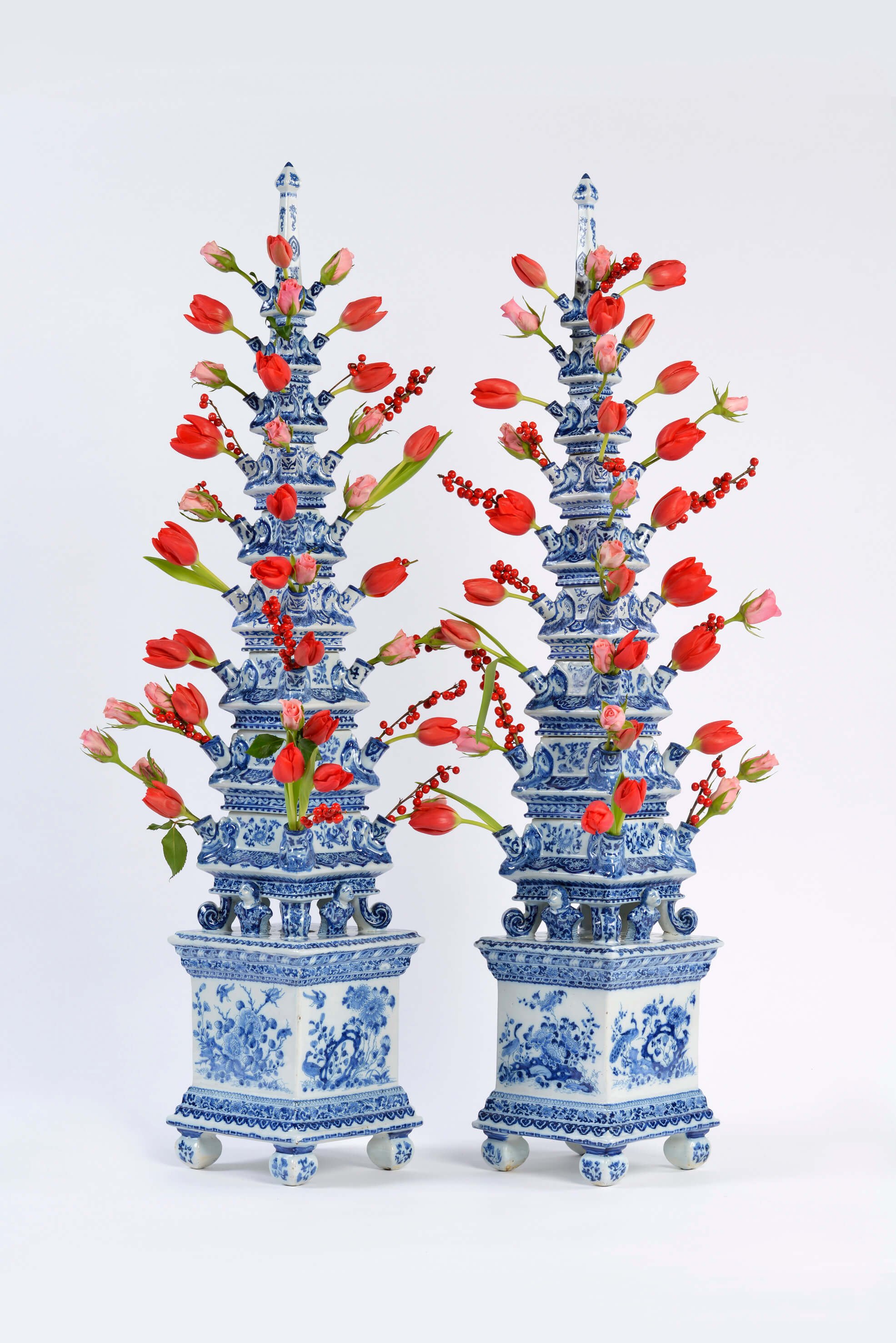
I saw examples of Dutch vases there. They probably have a different name for them. I have sent the image to my neighbour to see if he fancies trying to make me one. They look completely brilliant.
It was quite a mammoth art session and so we decided not to go to the Modern Art museum. It would have been too much!
Instead we went to the Filmtheater De Uitkijk which was round the corner from us. A tiny 1920s cinema.
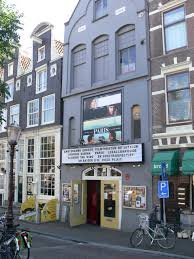
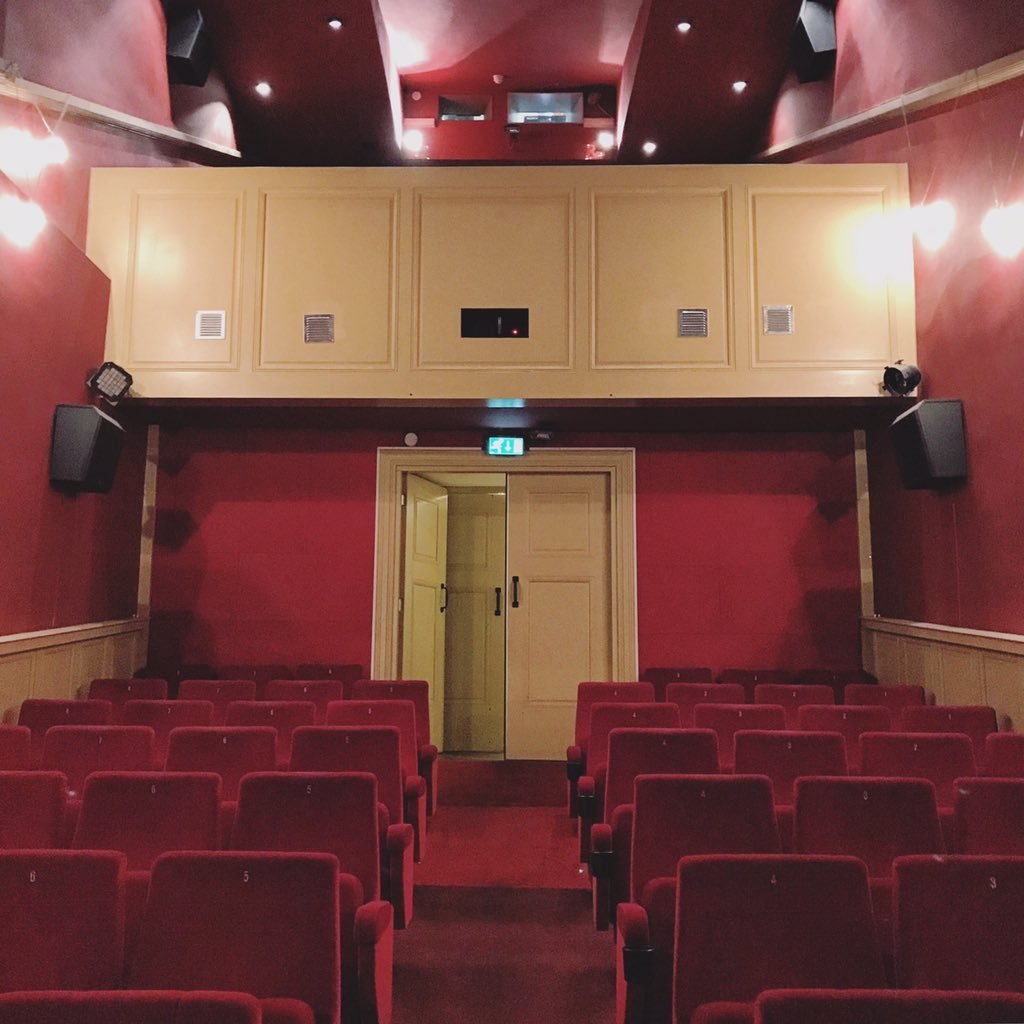
We saw Little Joe. Reviews have described it as horror, science fiction etc. Not certain it was any of them but it did have a touch of Day of the Triffids.
 Random Acts of Travelling