Unpacking the night before we realised that many of our clothes stank to high heaven. Pete kept saying they smelt of the rainforest. When we were in Tortuguero we didn’t notice it but having been stuck in a bag for half a day, they smelt musty and earthy in equal measure. I had also been more or less spread-eagled on the beach trying to see the turtle, as well as walking through swampy patches; so it wasn’t any wonder we ponged a bit. We decided to go all out decadent and got things washed at the hotel. When they came back they looked better than when we packed them.
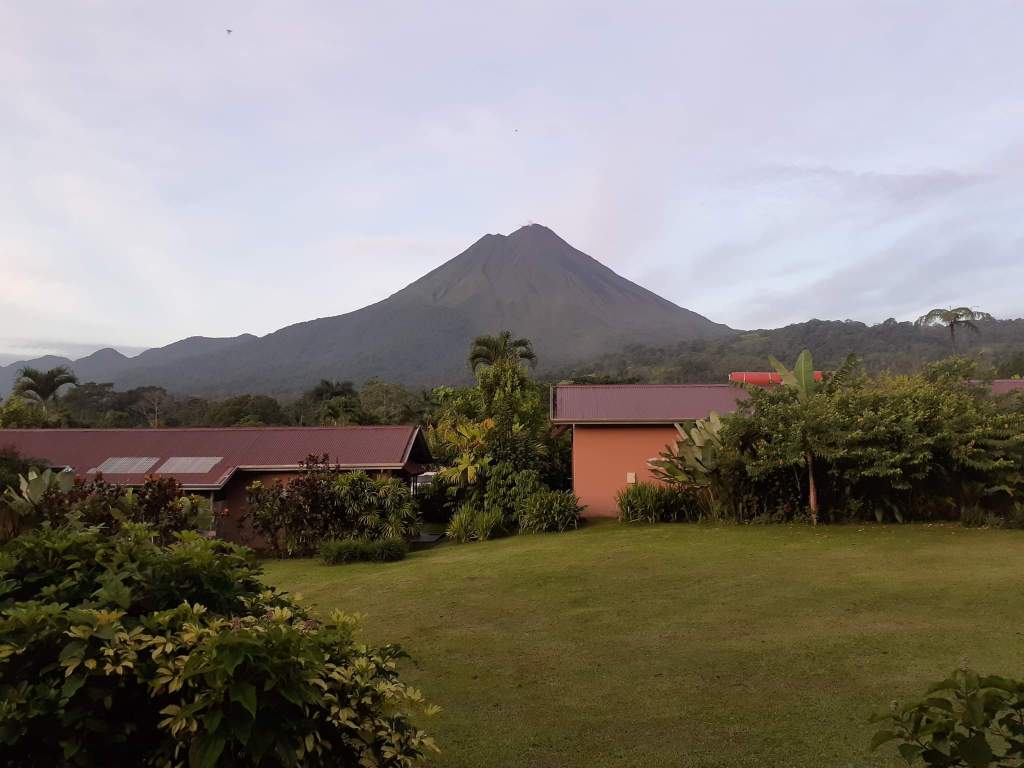
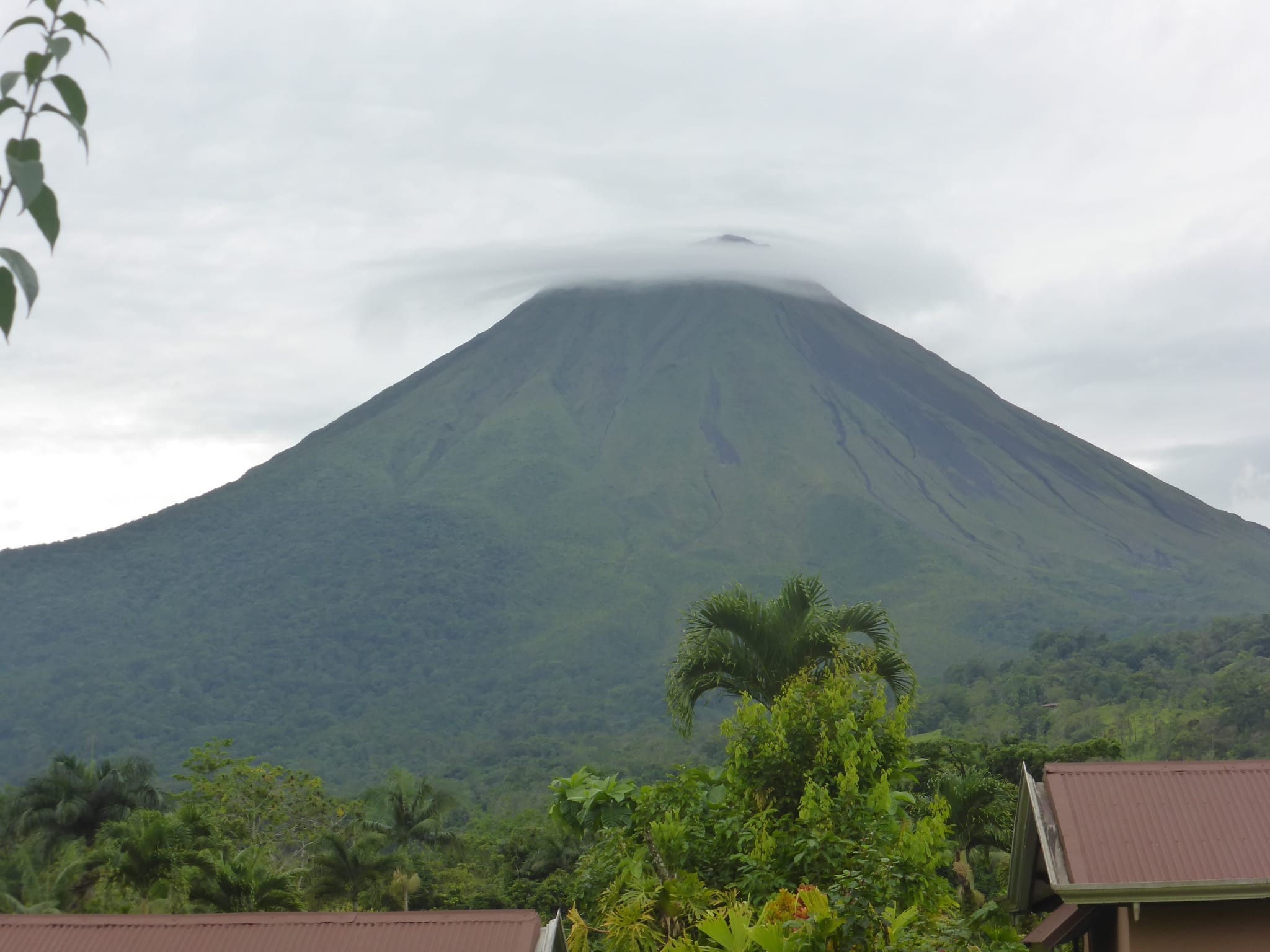
It was amazing to see the volcano outside our window again in the morning. The hotel boasts that it has the best view of the volcano in the area, but truth be told it is almost omnipresent pretty from every angle in the area.
We did not order a golf cart as was suggested when we first arrived for breakfast etc. It seemed very lazy but there were people being ferried to the restaurant for breakfast, mostly the American guests. It reminded us of The Prisoner for some reason, everything so perfect.
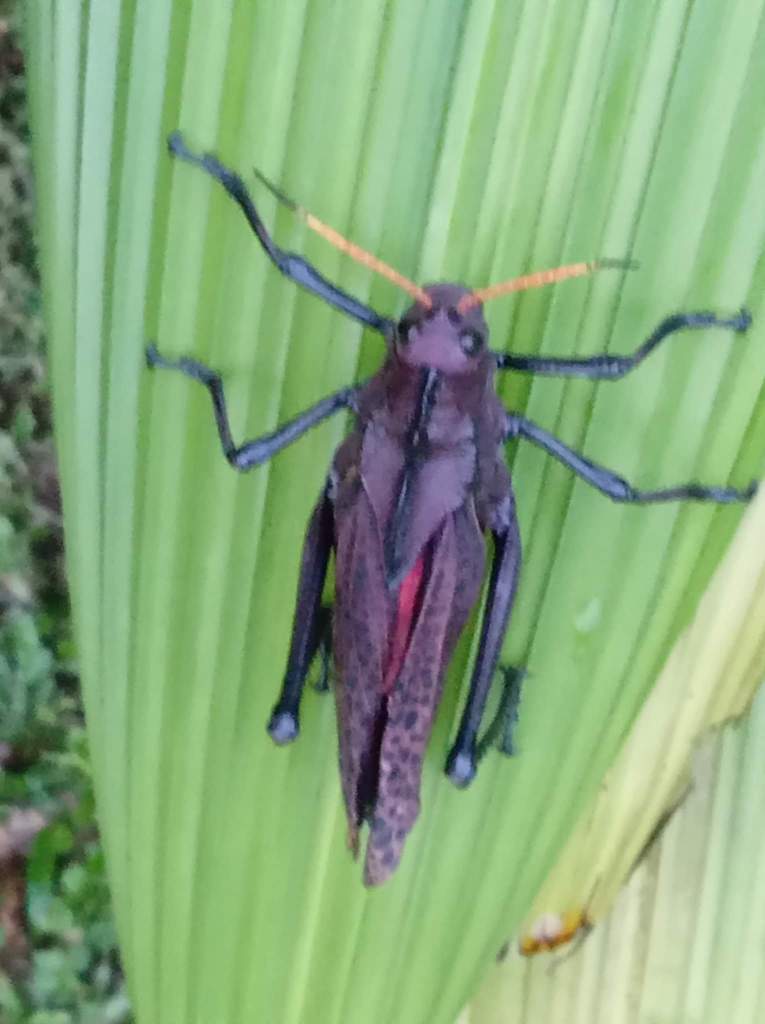
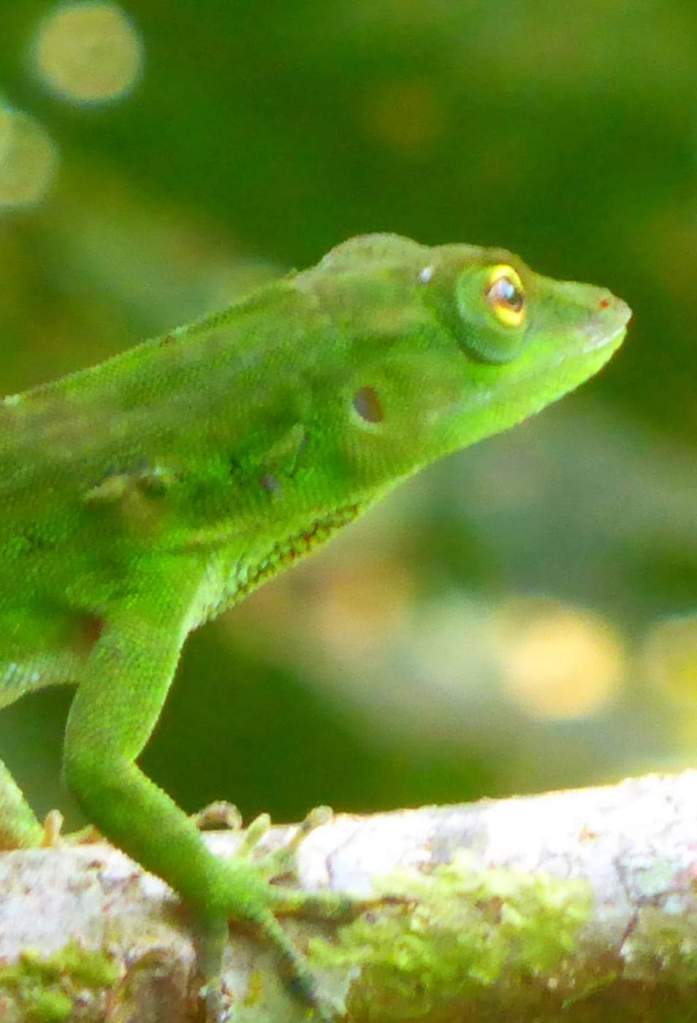
There were lots of these in our private garden, nearly 10cm long. Harmless but scary looking, probably because they were so huge.
Still couldn’t get over the size of our room and made Pete take photos of every bit, even the shower!
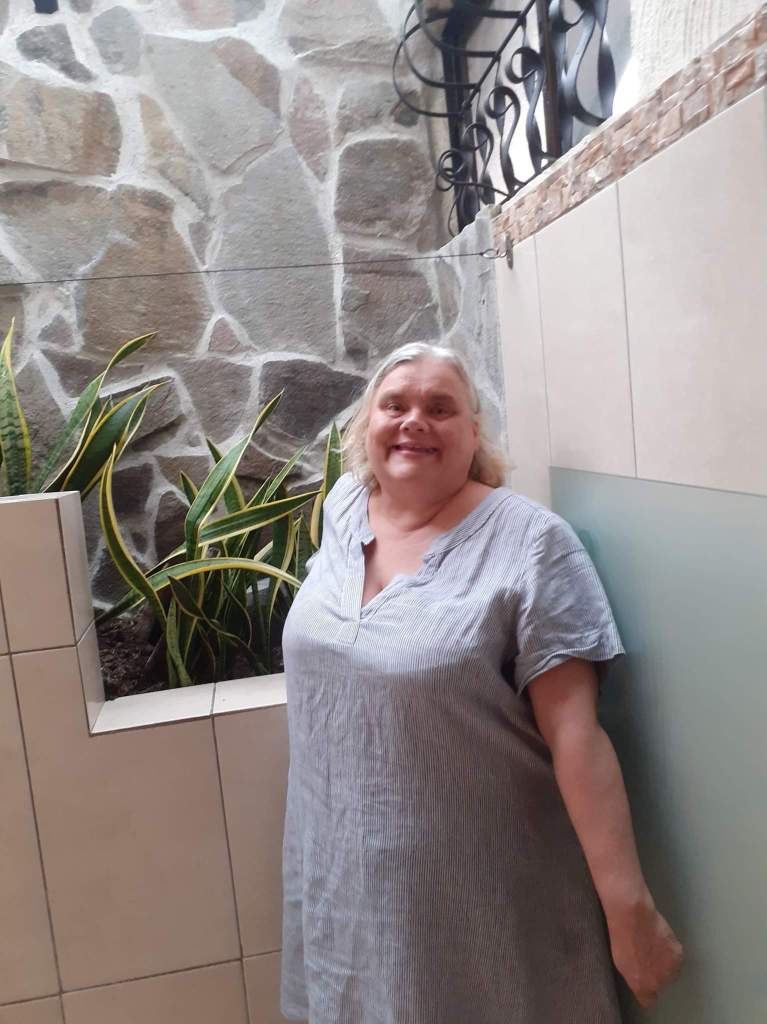
I was a bit giddy as there were plants in the shower.
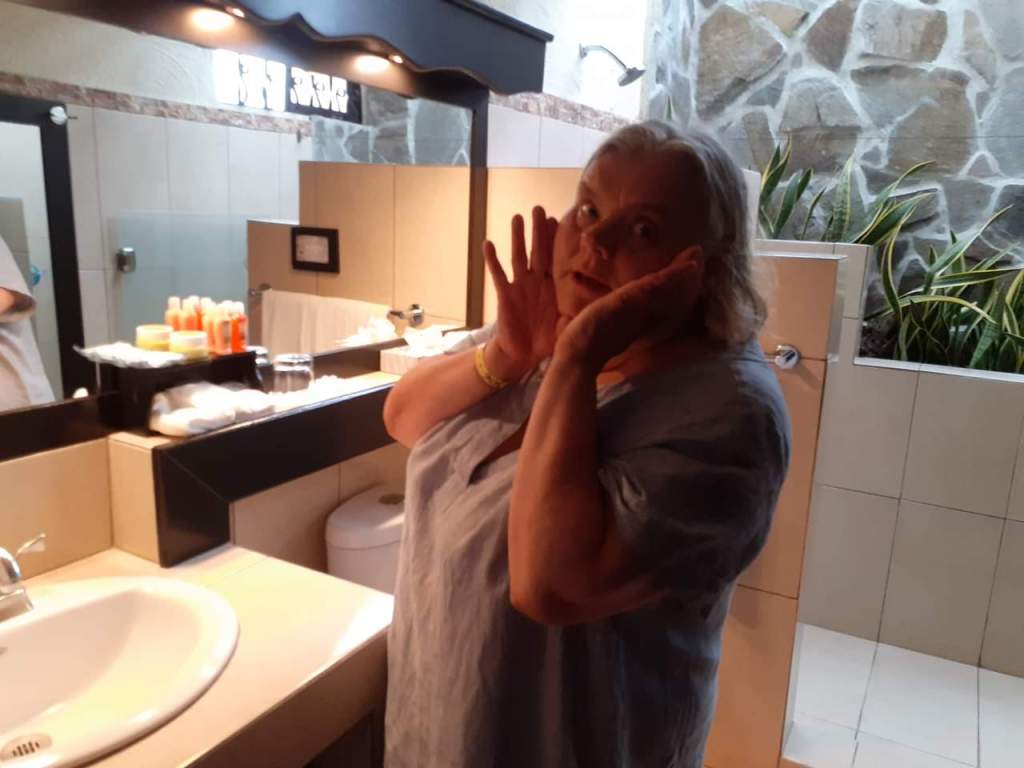
OK I may have gone slightly over the top about it all. But it was all quite a novelty for us.
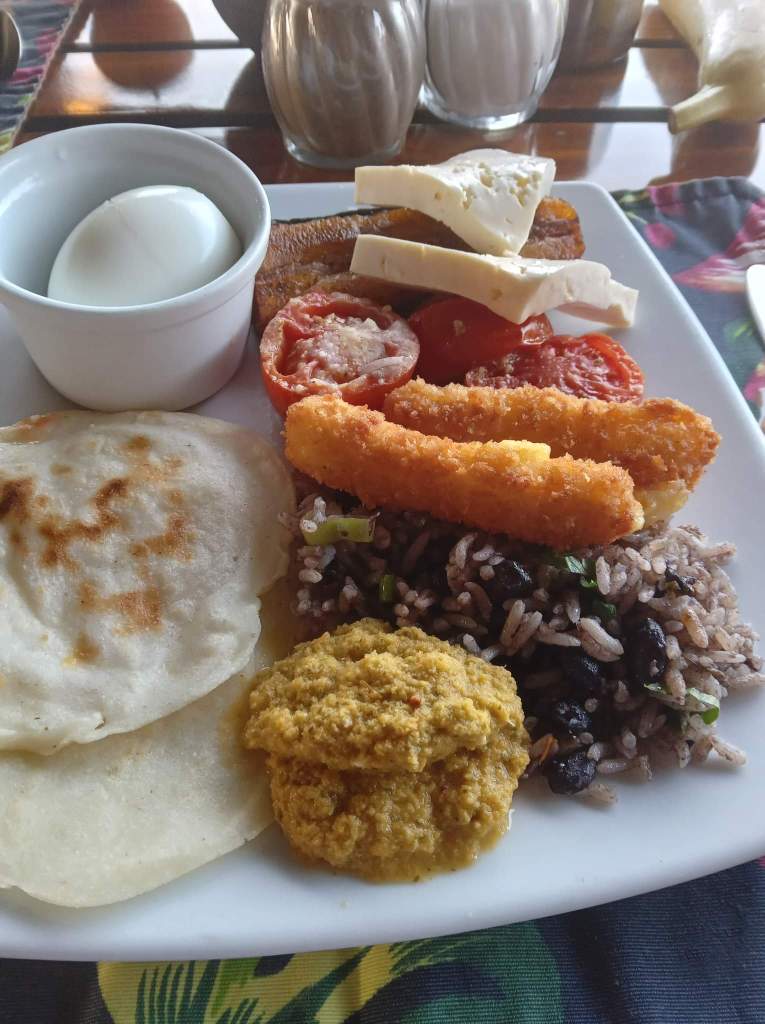
Breakfast was a very grand affair, with some dishes made to order. Our view was beautiful.
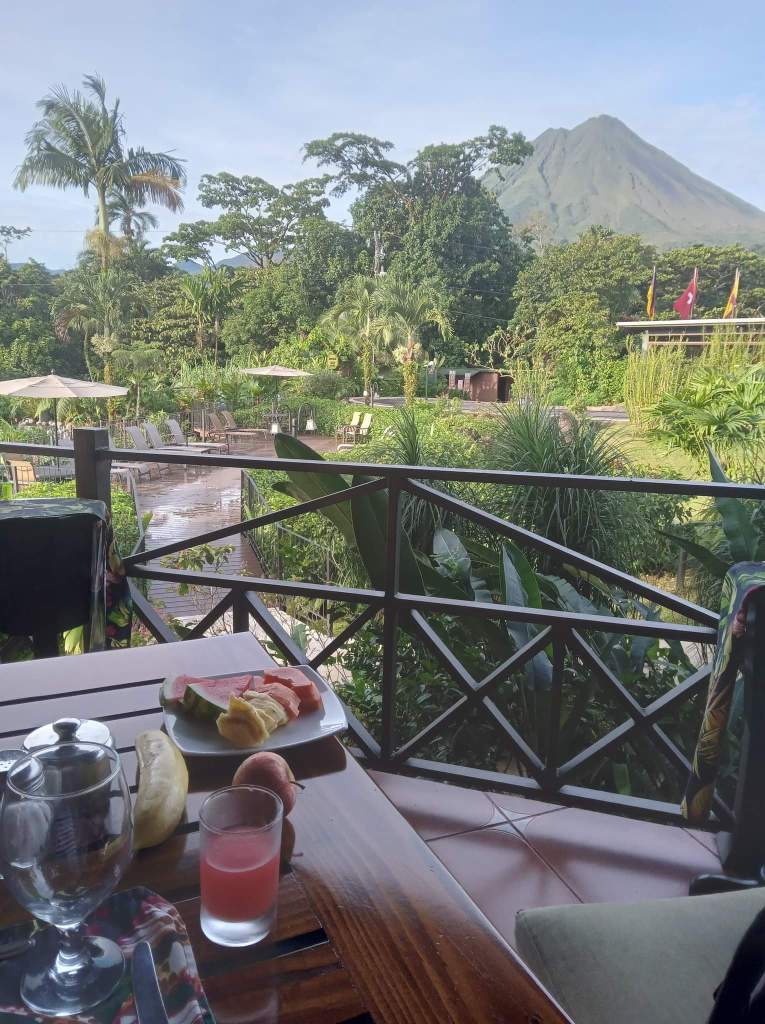
The food was utterly delicious.
Now you would think that this was like being in paradise, in many ways it was but on the other hand I felt quite uncomfortable with the obsequious nature of the people working there. Pura Vida, good life they would greet us with, a bit of a jig and a bow of the head. This level of attention feels overbearing.
Yes, pura Vida, the stock phrase in Costa Rica.
“Pura Vida” (pronounces poo-rah vee-dah). Simply translated, it means “simple life” or “pure life”, but in Costa Rica, it is more than just a saying—it is supposed to typify a way of life.
Costa Ricans (who are known as Ticos) use this term to say hello, to say goodbye, to say everything’s great, to say everything’s cool. The words are meant to reflect a way of life, but in the hotel it was so stereotypically overdone it sounded cheesy.
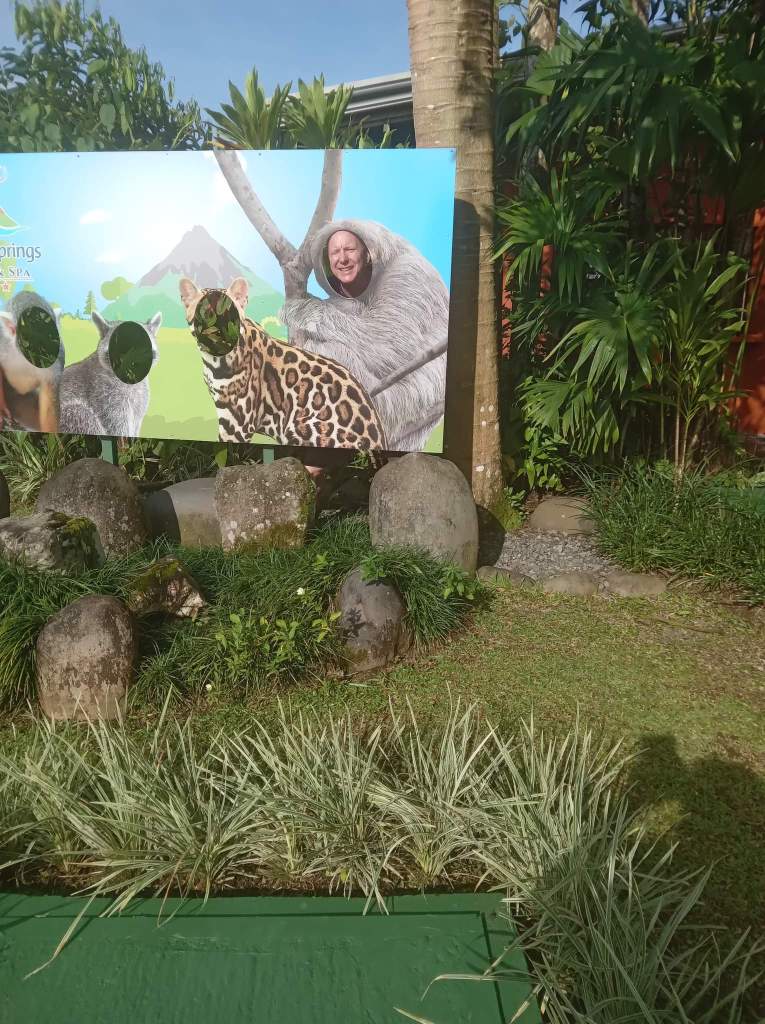
Managed a silly snap of Pete, Annie must be so glad she doesn’t have to do this anymore.
After breakfast we had a trip to the Hanging Bridges of Arenal. We were transported via mini bus, picking up more people on the way. It was a lovely surprise to stop and pick up Joyti and Shish, the couple from Nottingham.
It was great to be able to share the experience of the Mistico Park. The park is famous for its hanging bridges which date back to the early 20th Century.
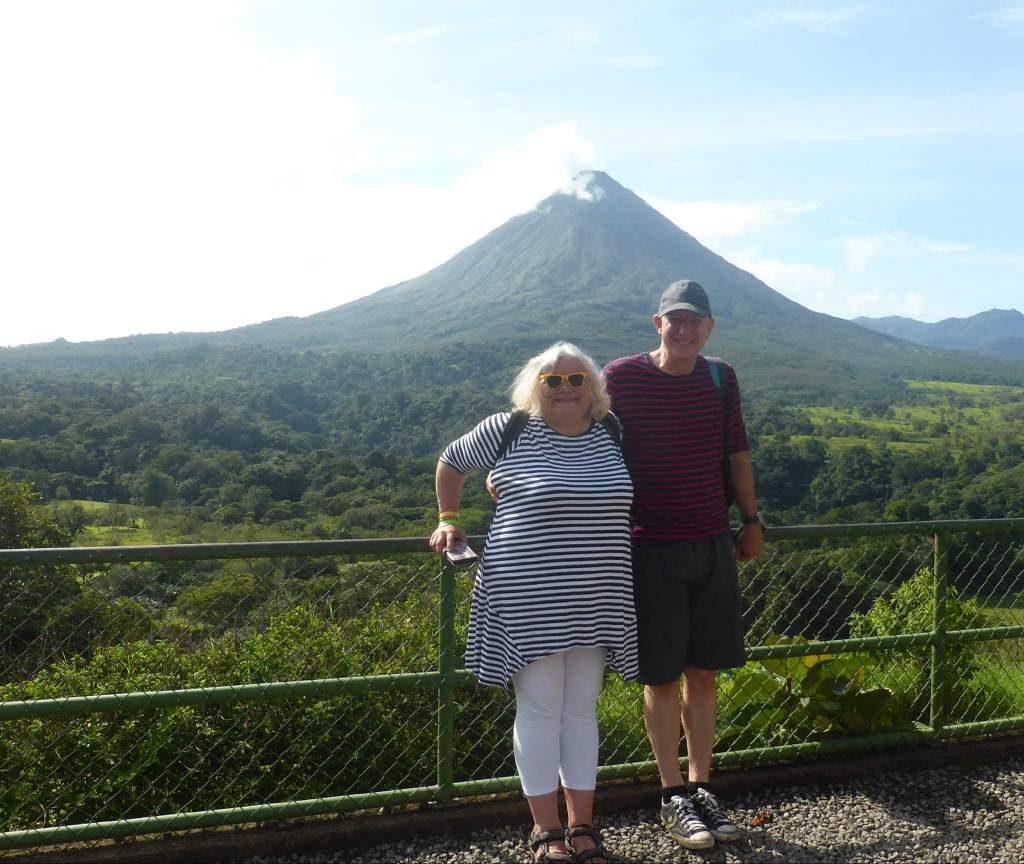
The view from the park was beautiful and luckily the weather was good. What has been good about these trips is that a guide has been included. Oftentimes when we have previously travelled there has been alot of guess work which may or may not have been right and we will never know.
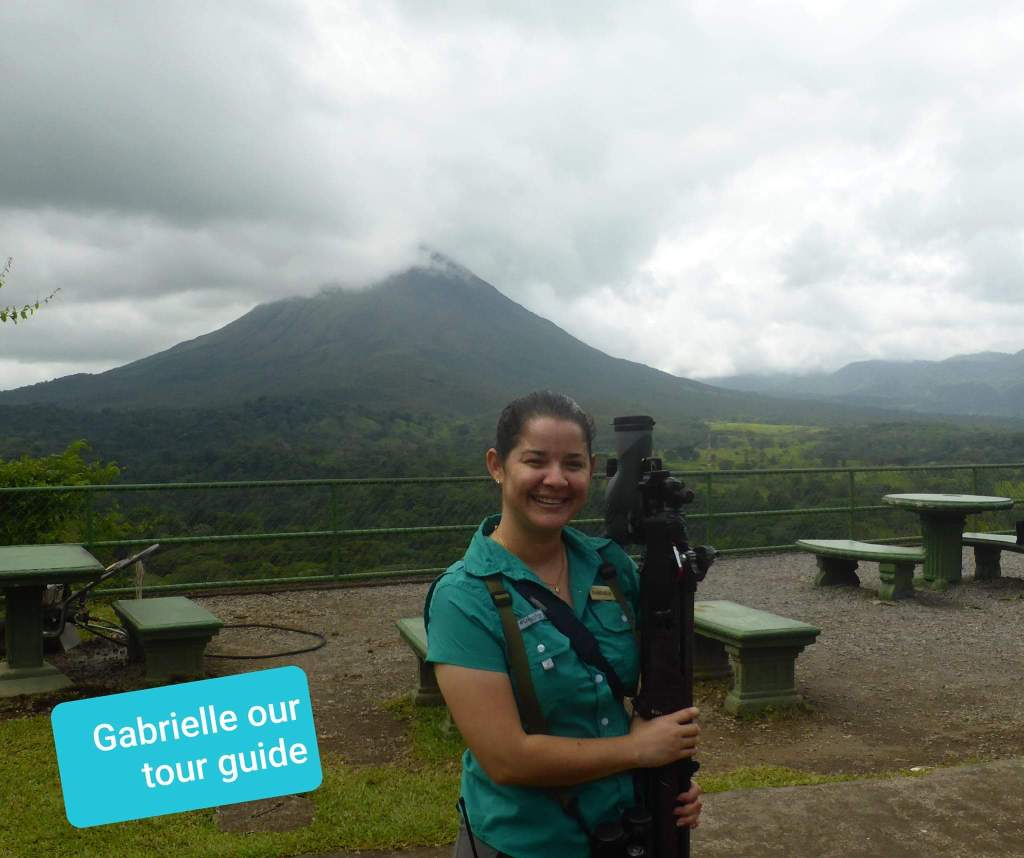
For this we had the very pleasant and knowledgeable Gabrielle, who was informative and easygoing.
The first thing we saw was an eyelash viper.
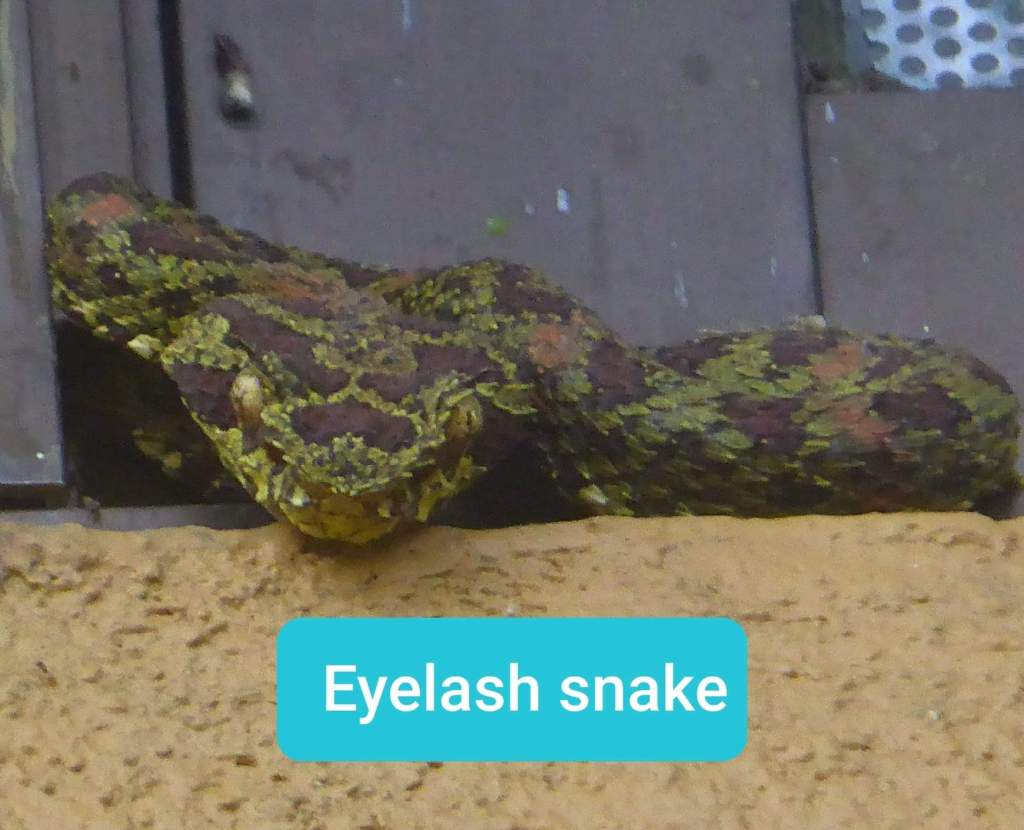
The eyelash snake is the most venomous snake in Costa Rica, as well as being one of the fastest in the world. Although this does look fearsome is was actually a baby and it was laying at the top of a tall building. Baby eyelash snakes are called snakelets. They can live independently from their mothers. Gabrielle had her telescope trained on the snake and took this photo for us.
Gabrielle pointed out the sensitive plant. Sensitive plant (Mimosa pudica) is found throughout the tropics of the world as an invasive species, but is actually native to Costa Rica and Central America. It’s called the sensitive plant because touching it triggers a release of water from the stem cells that causes a drop in pressure and the leaves fold up (seismonastic movement).
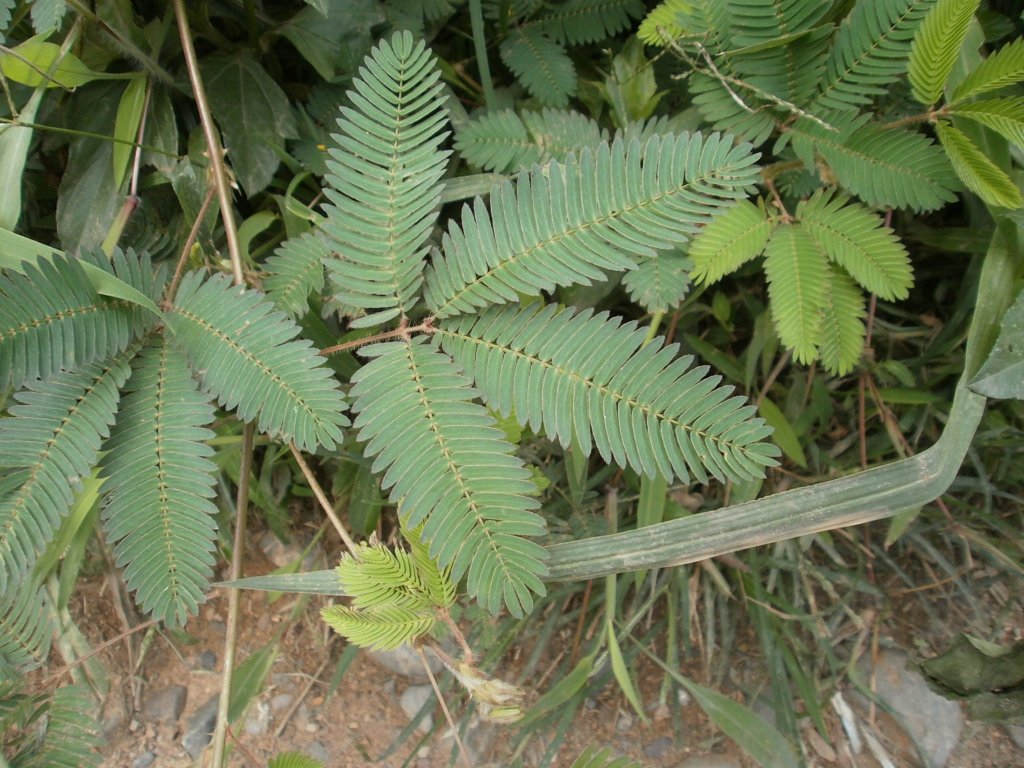
Gabrielle said that her mother is a seamstress and suffers from arthritis, so she drinks an infusion of it every day. Apparently there are 16 health benefits derived from this plant, from hair loss to asthma.
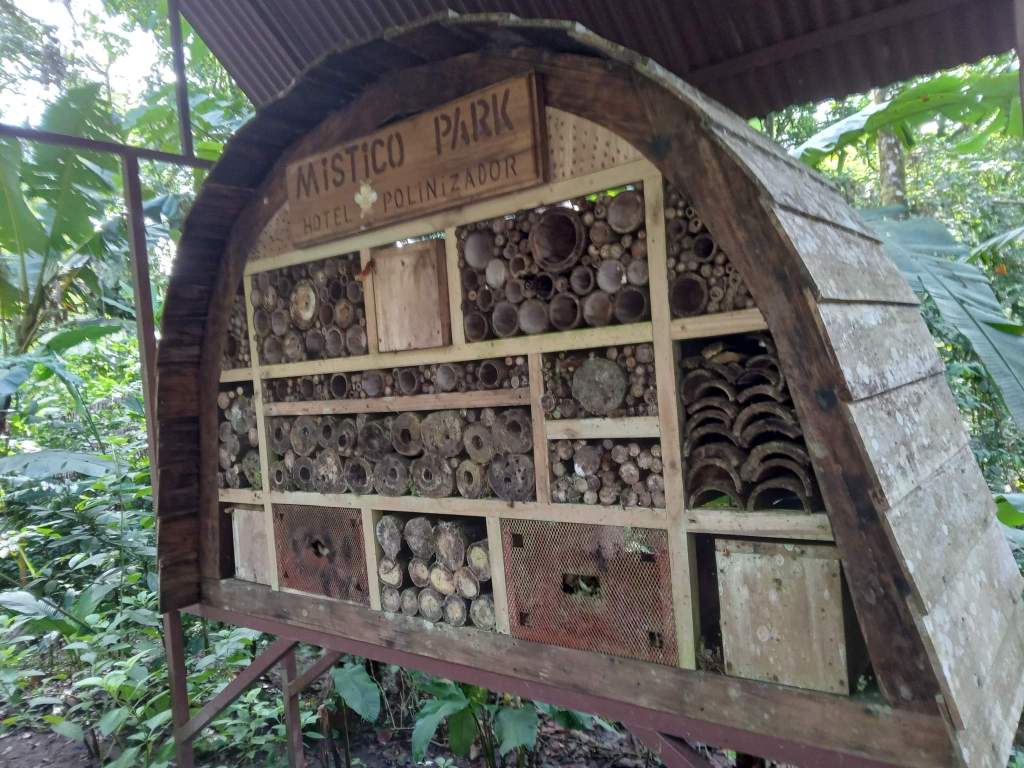
The start of the trail had an insect hotel.
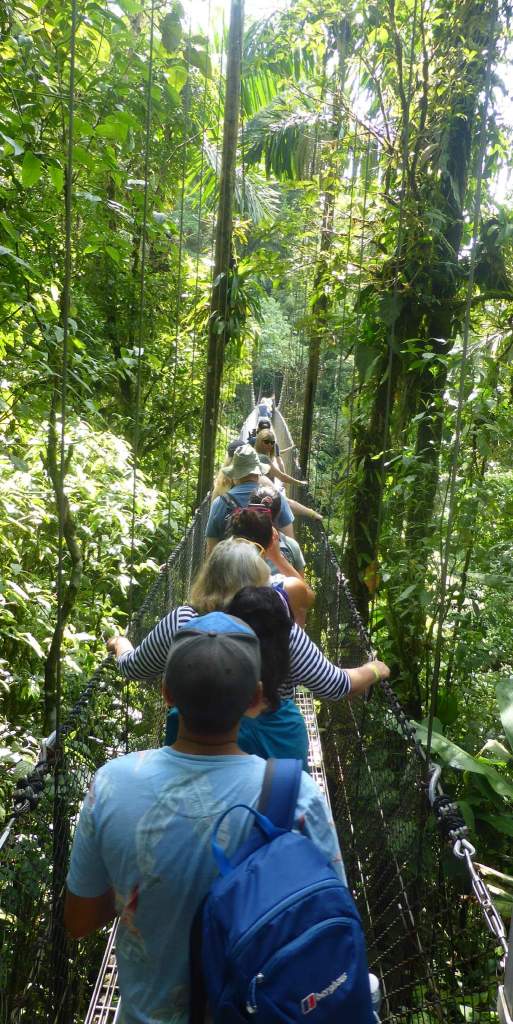
We walked over a series of these bridges high up in the rainforest, giving us spectacular views over the treetops. The bridges were obviously very high up and also equally wobbly, so not for the faint hearted.
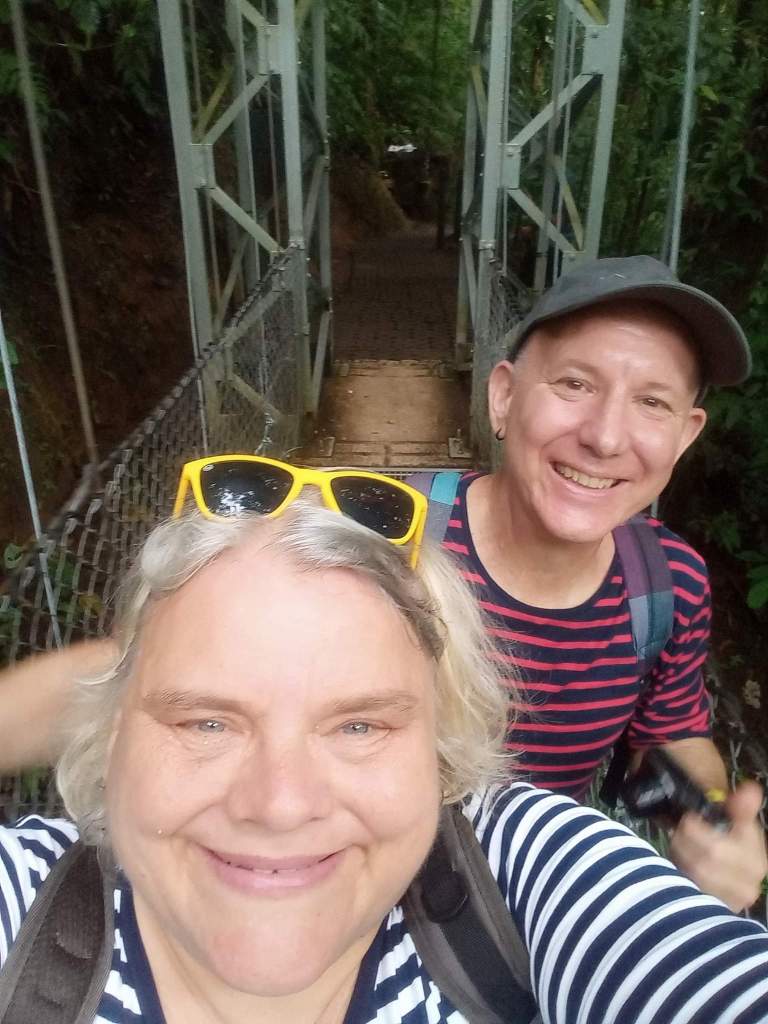
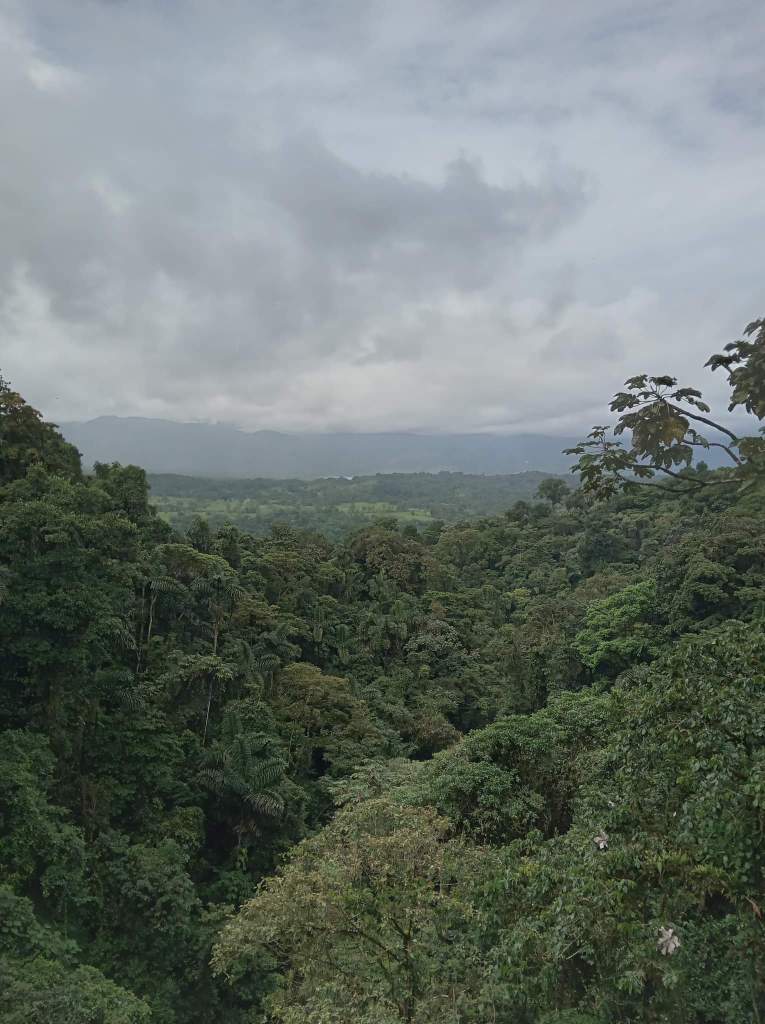
We saw lots of leafcutter ants Criss crossing along the paths.
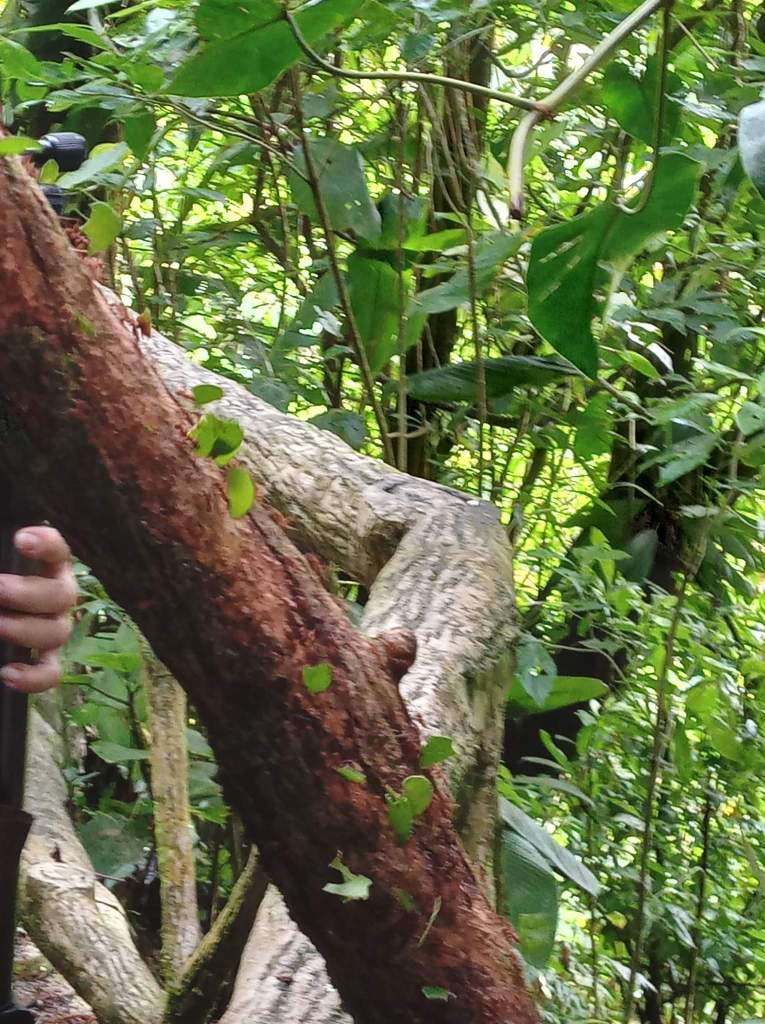
Gabrielle said that not all the ants carry the leaves, the ones that don’t are quality assuring the leaves. It is important that nothing comes into the next and corrupts their production of fungi.
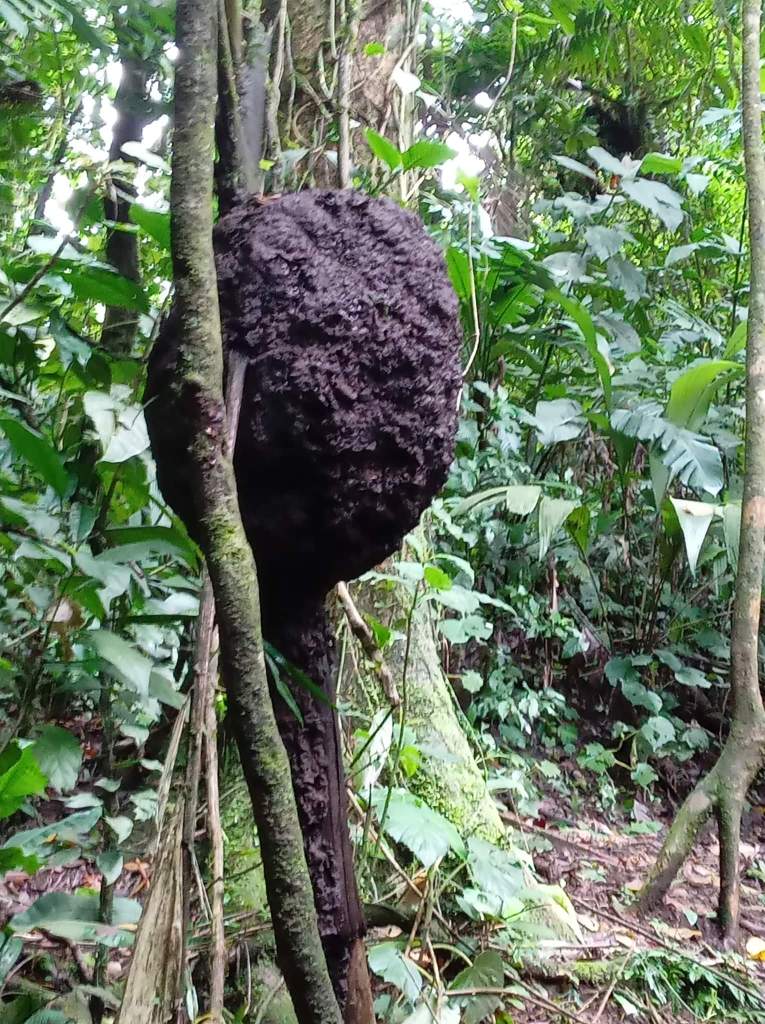
We saw termite nests. The termites in Costa Rica are arboreal termites. The nests can reach up to 28kg.
Typical arboreal colonies contain anywhere from 50,000 to 60,000 termites.
We saw lots of insects, plants, birds etc. We have seen toucans and green macaws – which were magnificent. But all so fleeting so no snaps, which is ok as I have the memories in my head.
The sound of cicadas was deafening. Gabrielle said that female cicadas are deaf so the louder the males are the stronger the vibrations they make. She said the males are also quite deaf and they know how strong their vibrations are. Not surprising they are deaf as they spend nearly two decades underground!
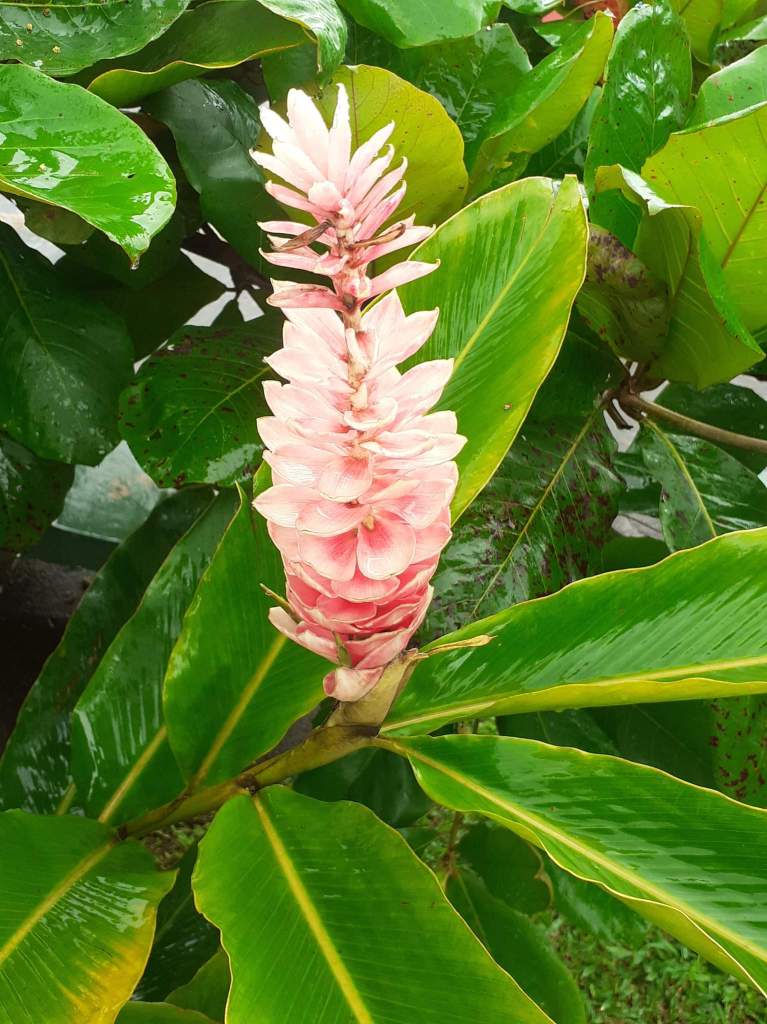
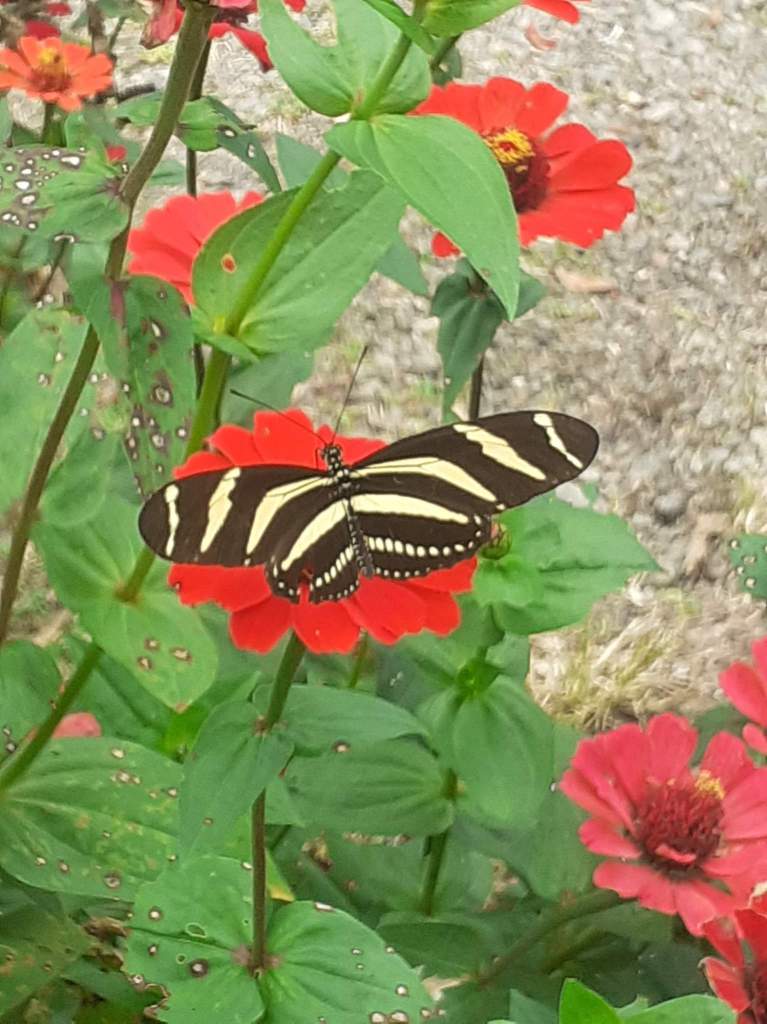
We went off the main path to see a waterfall.
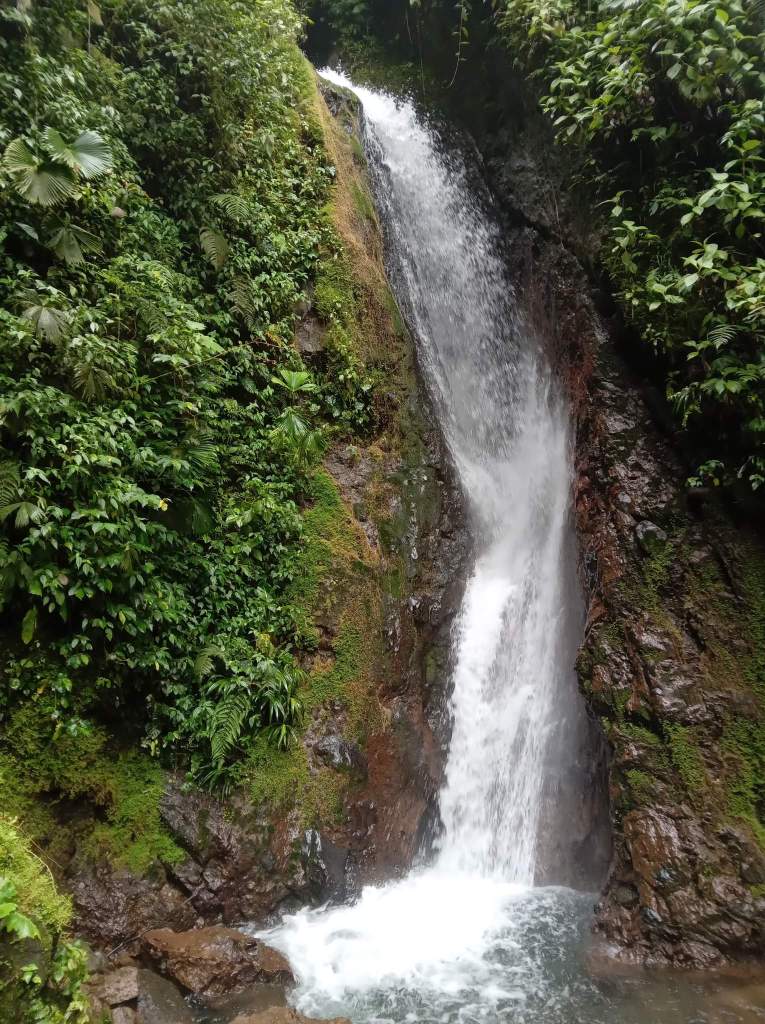
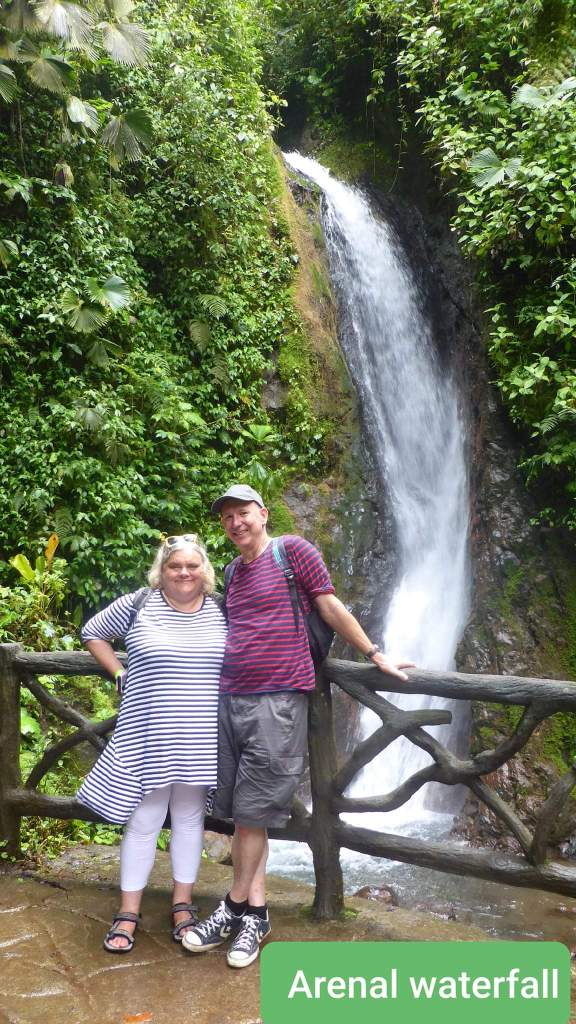
It was so refreshing as walking round the park was the hottest most humid experience we had had so far.
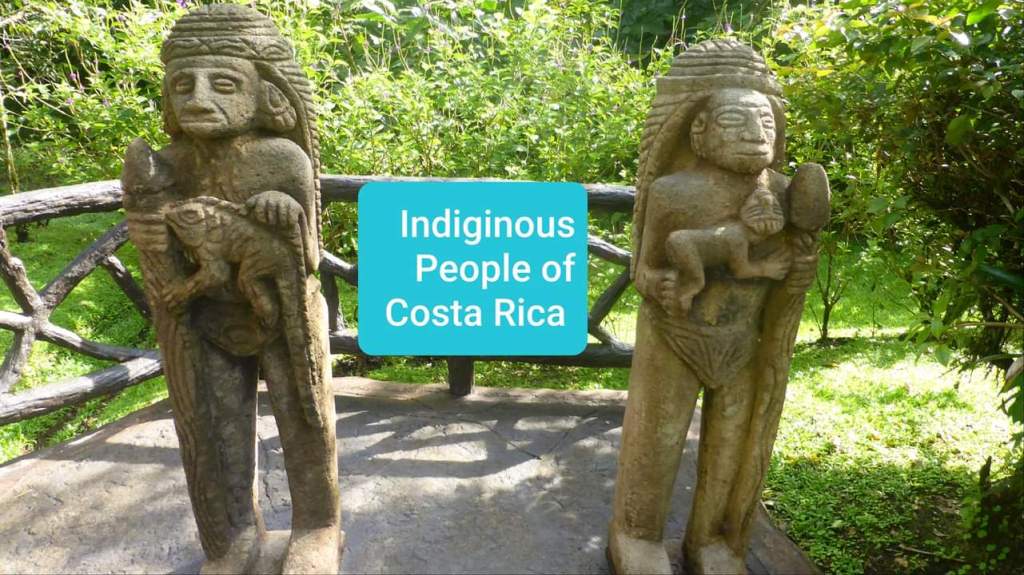
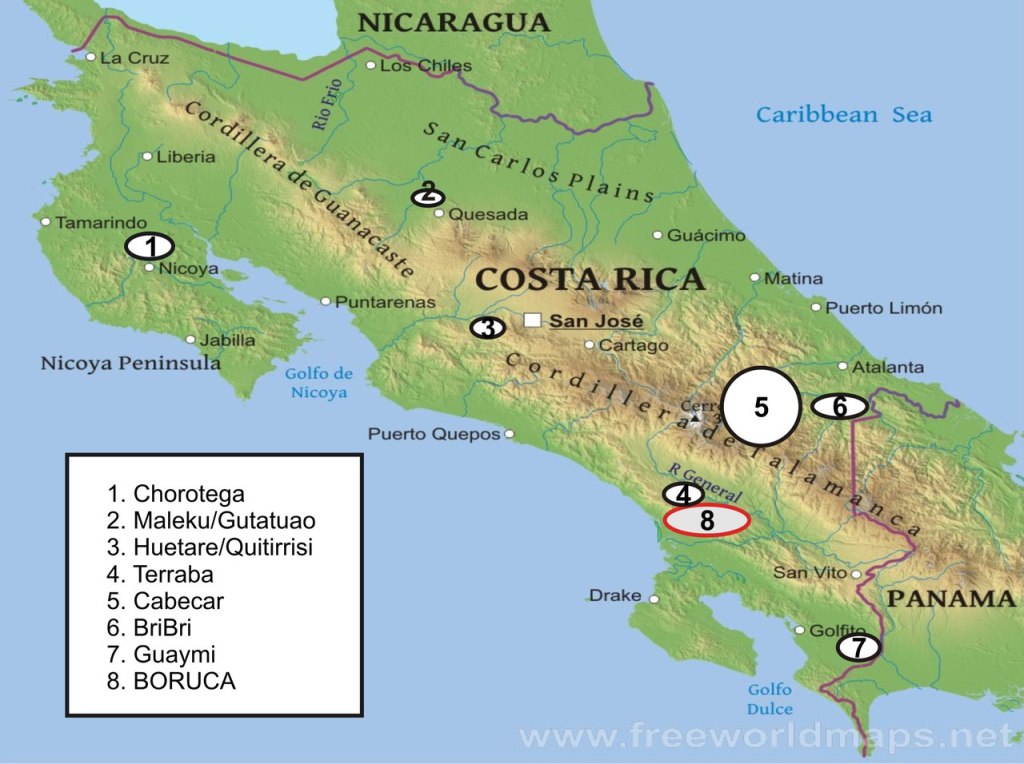
Gabrielle said these statues were in homage to the indigenous people of Costa Rica. Officially there are 8 distinct groups but she thinks it is more correct to think of 7 as the 8th is completely assimilated and has lost its language.
So officially there are the Huetar, Maleku, Bribri, Cabécar, Brunka, Ngäbe, Bröran and Chorotega, and they represent 2.4% of the total population. According to the 2010 National Census, a little over 100,000 people thus self-identify as Indigenous.
We found out that the mini bus would drop us off at the town of La Fortuna on the way back. So we decided to do that with Joyti and Shish and split the taxi fare on the way back. I think that is the thing that we have missed a bit from this trip, going off the beaten track. Conversely we haven’t had the mishaps and mistakes we have made in the past when we go under our own steam.
We agreed to go our separate ways in La Fortuna and meet later by the town Square park for a taxi.
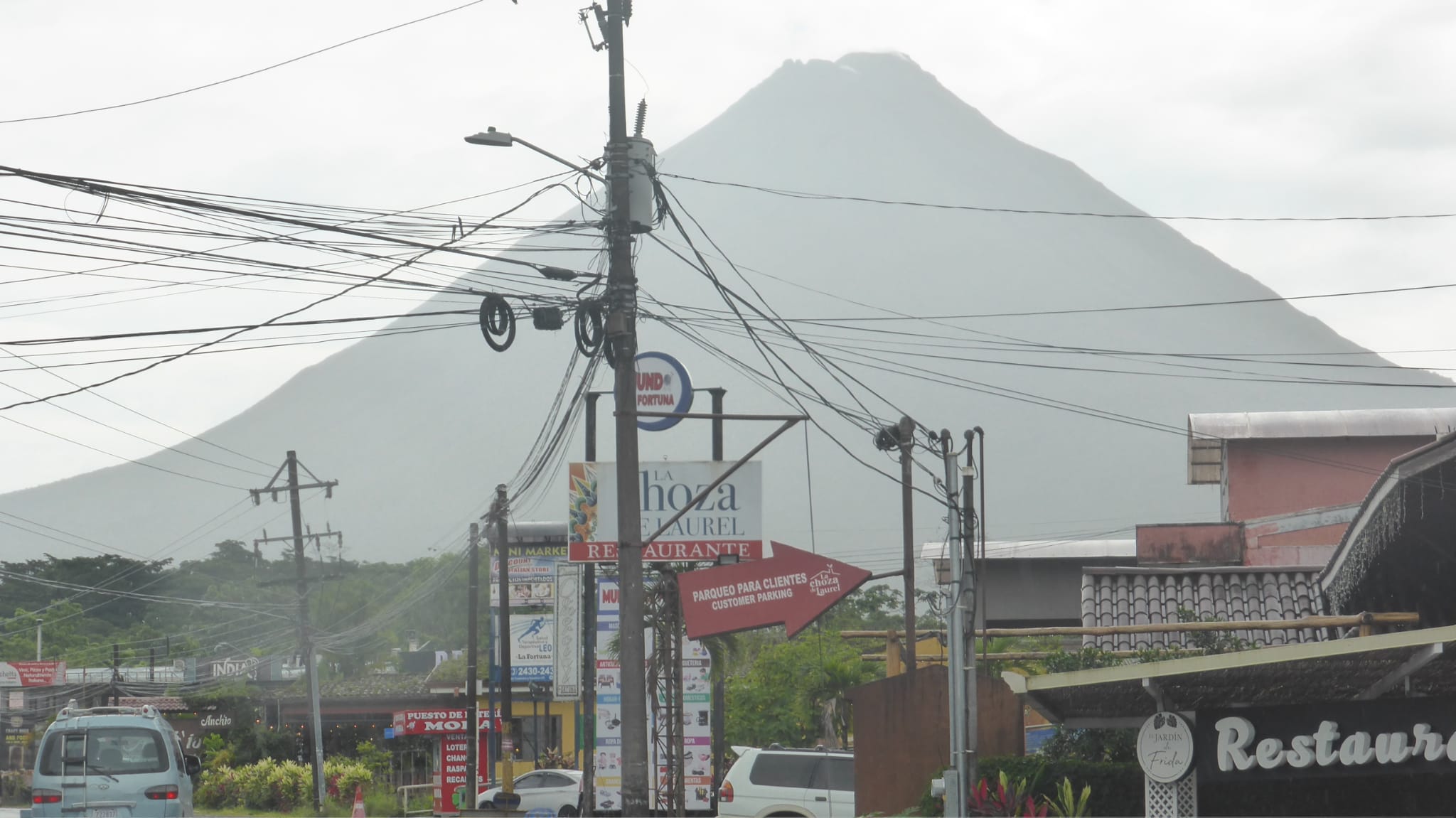
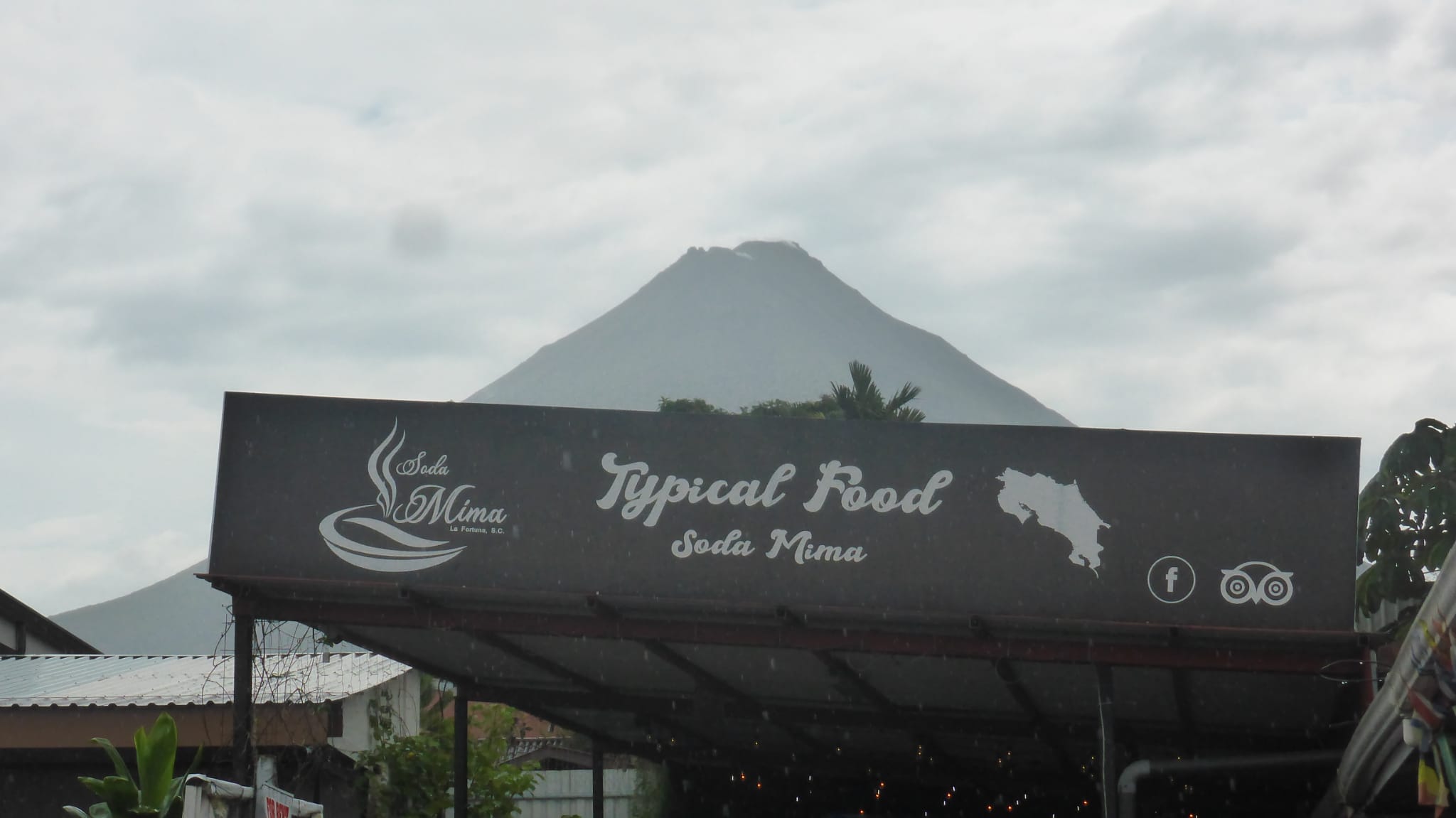
The town is centred on a beautiful park with colourful gardens and a large church. Arenal Volcano, provides the backdrop and can been seen from almost every vantage point within the town.
We found somewhere to eat. My rule of thumb is always head to a side street as the food tends to be better and more reasonable. We spotted a family run restaurant which had lots of vegetarian options. We opted for casado.
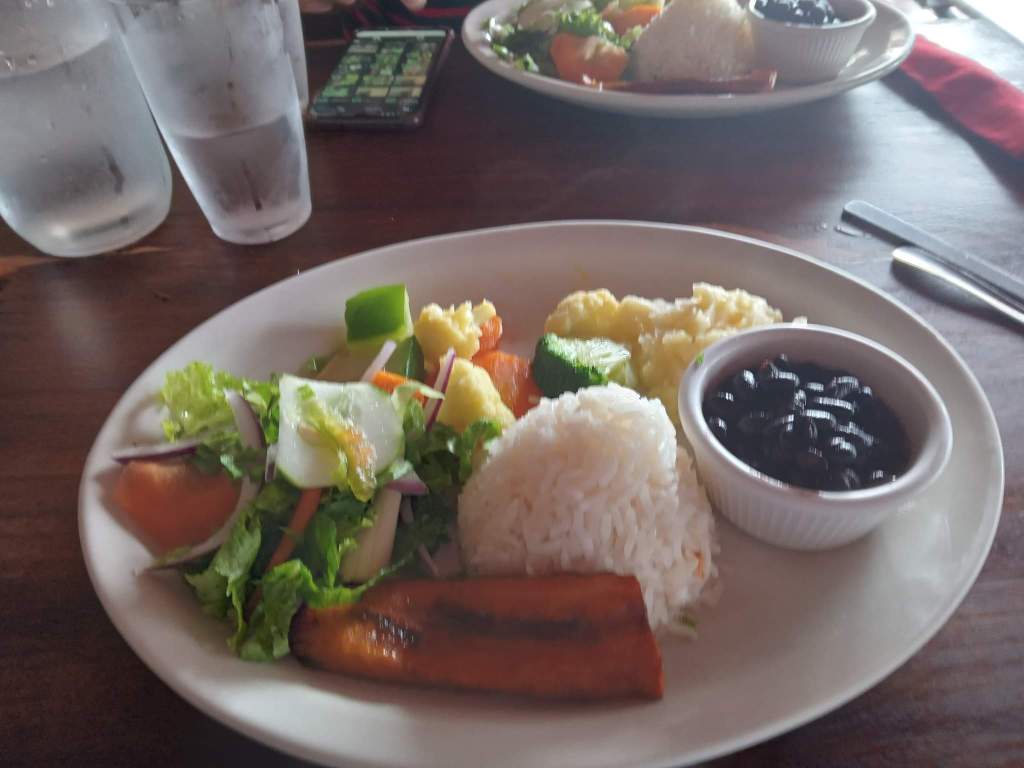
A casado is a Costa Rican meal using rice, black beans, plantains, salad, a tortilla, and can have meat such as chicken, beef, pork, fish and so on. The term is said to have maybe originated from when restaurant customers asked to be treated as casados, since married men ate such meals at home.
It was funny as when we were leaving Joyti and Shish had sat down to eat – great minds think alike!
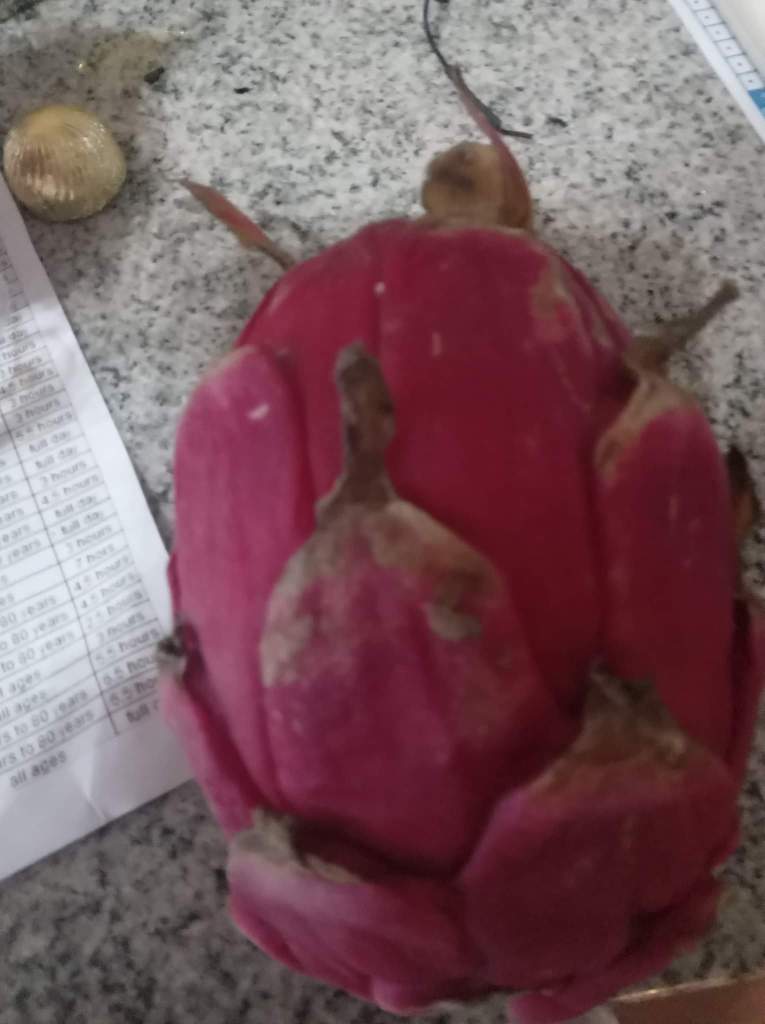
Nearby was a fruit shop so decided to buy things to try out.
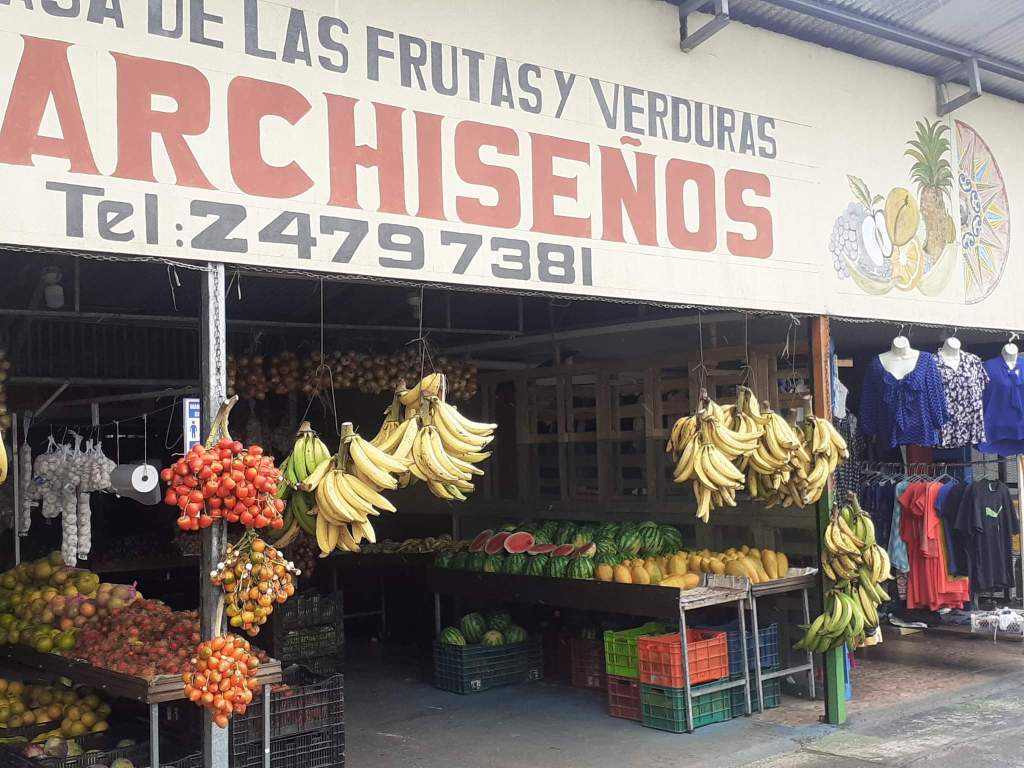
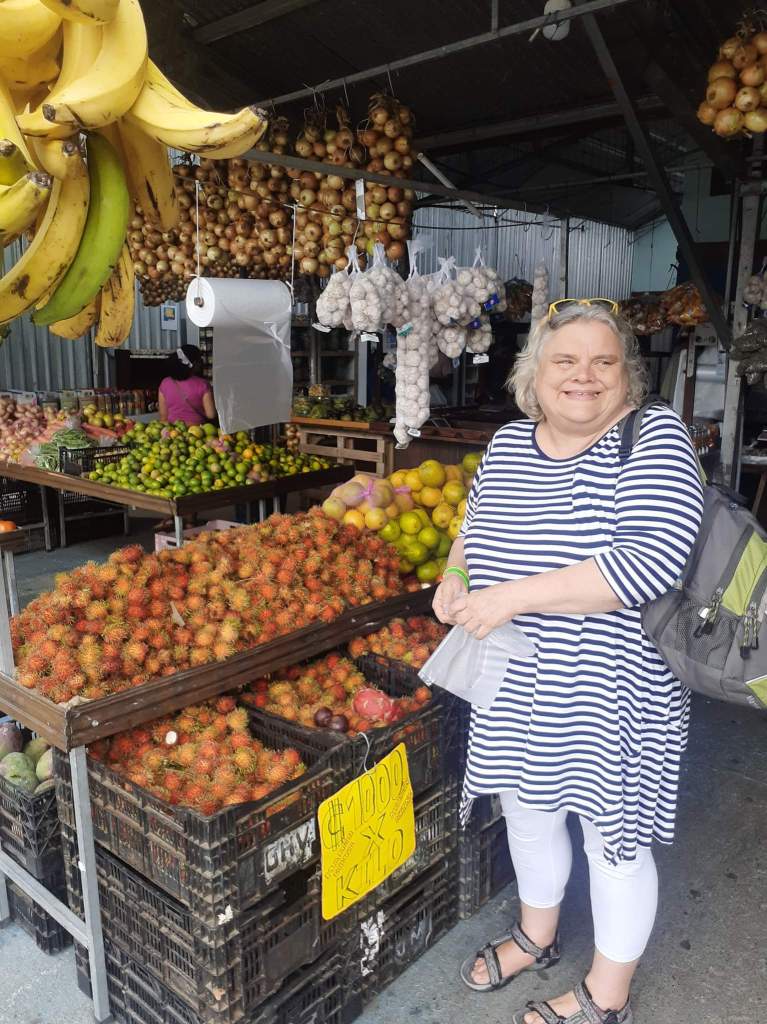
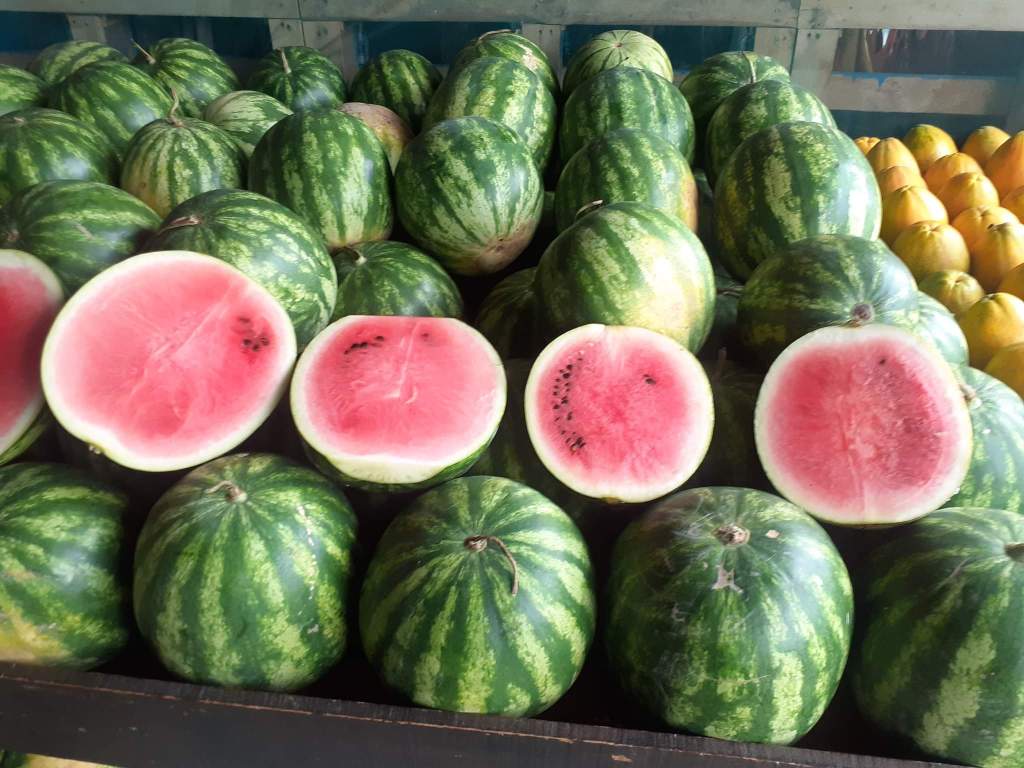
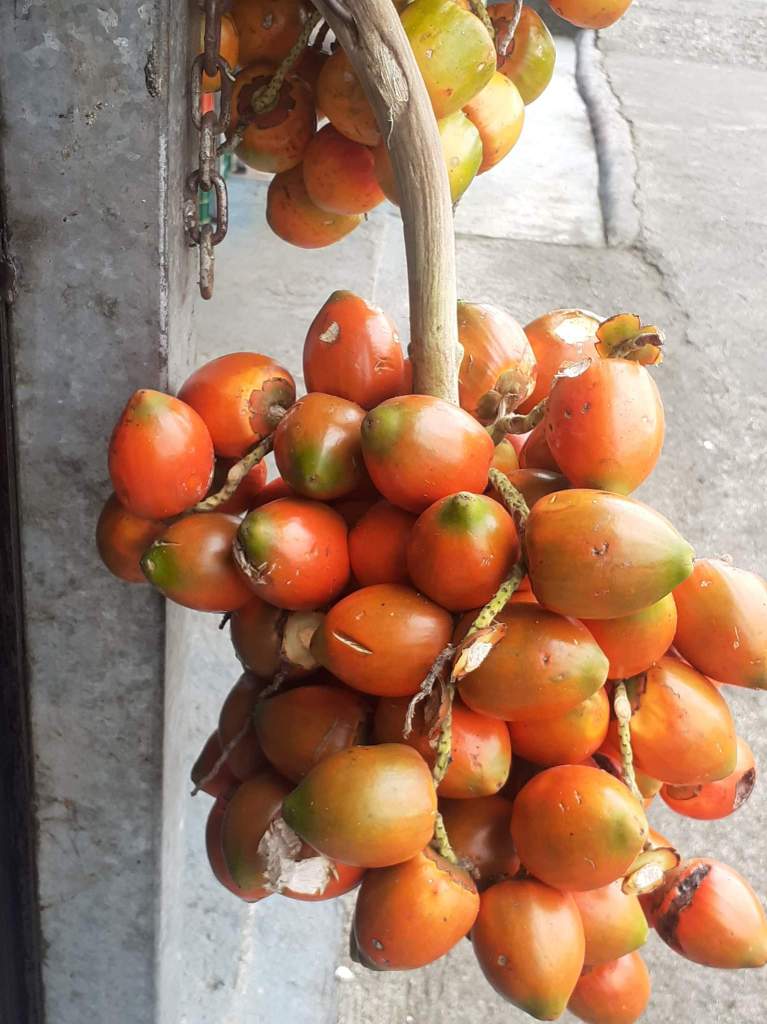
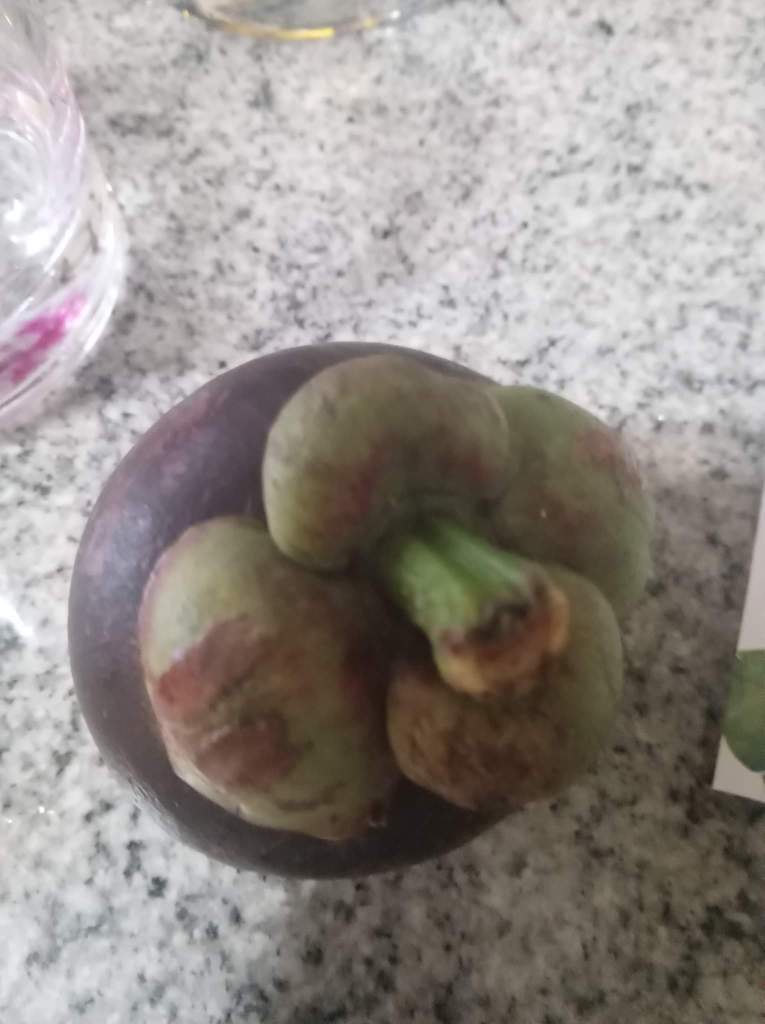
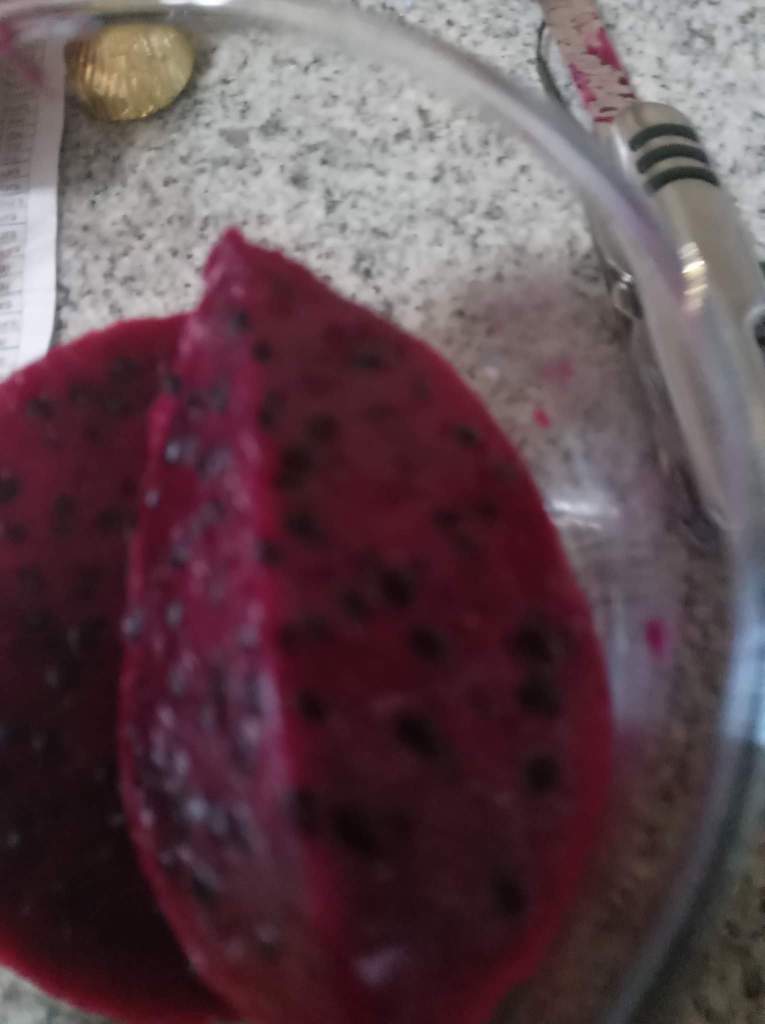
I really liked the mangosteen but didn’t like the dragonfruit – it looks more inviting than it actually is.
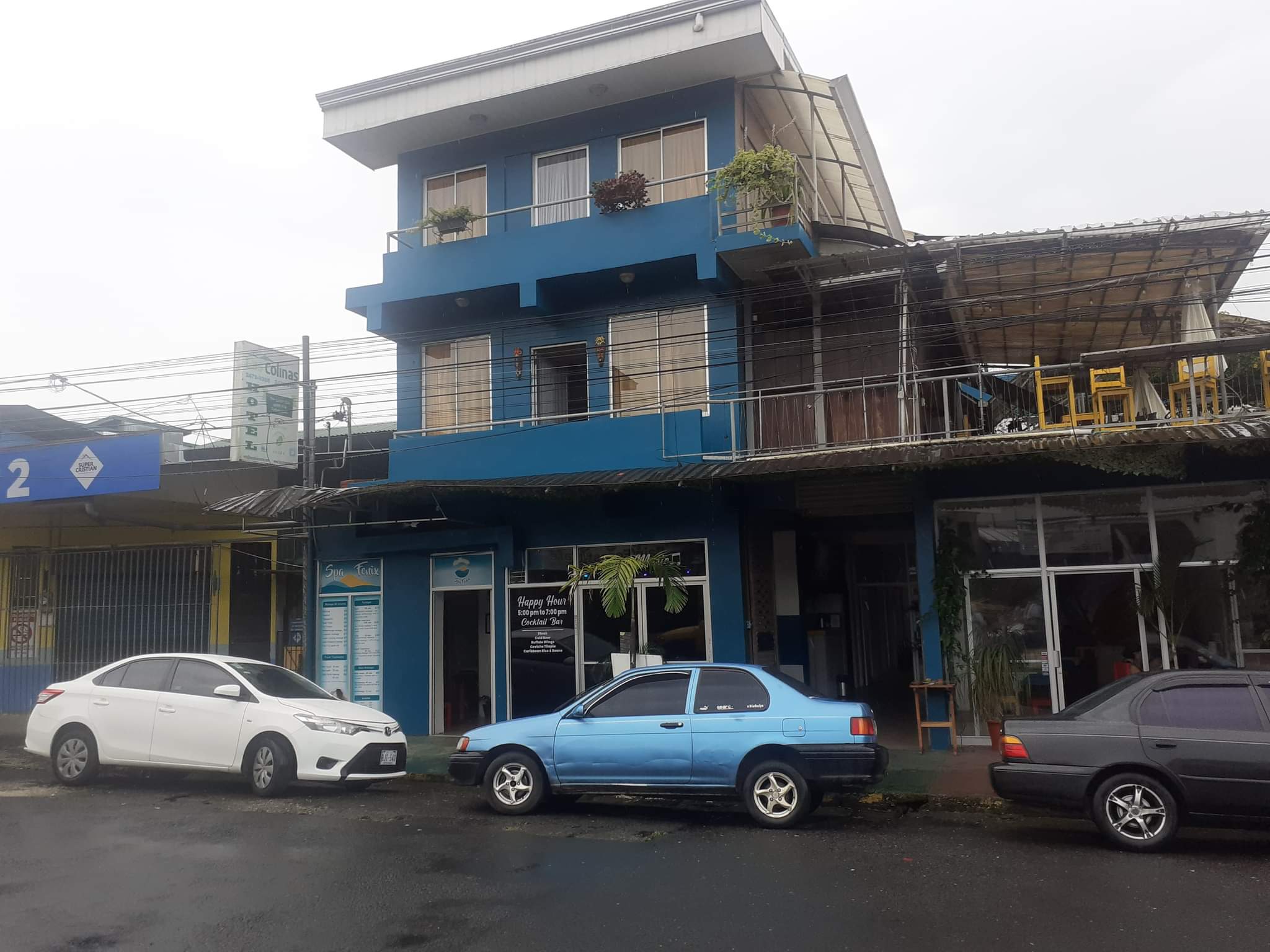
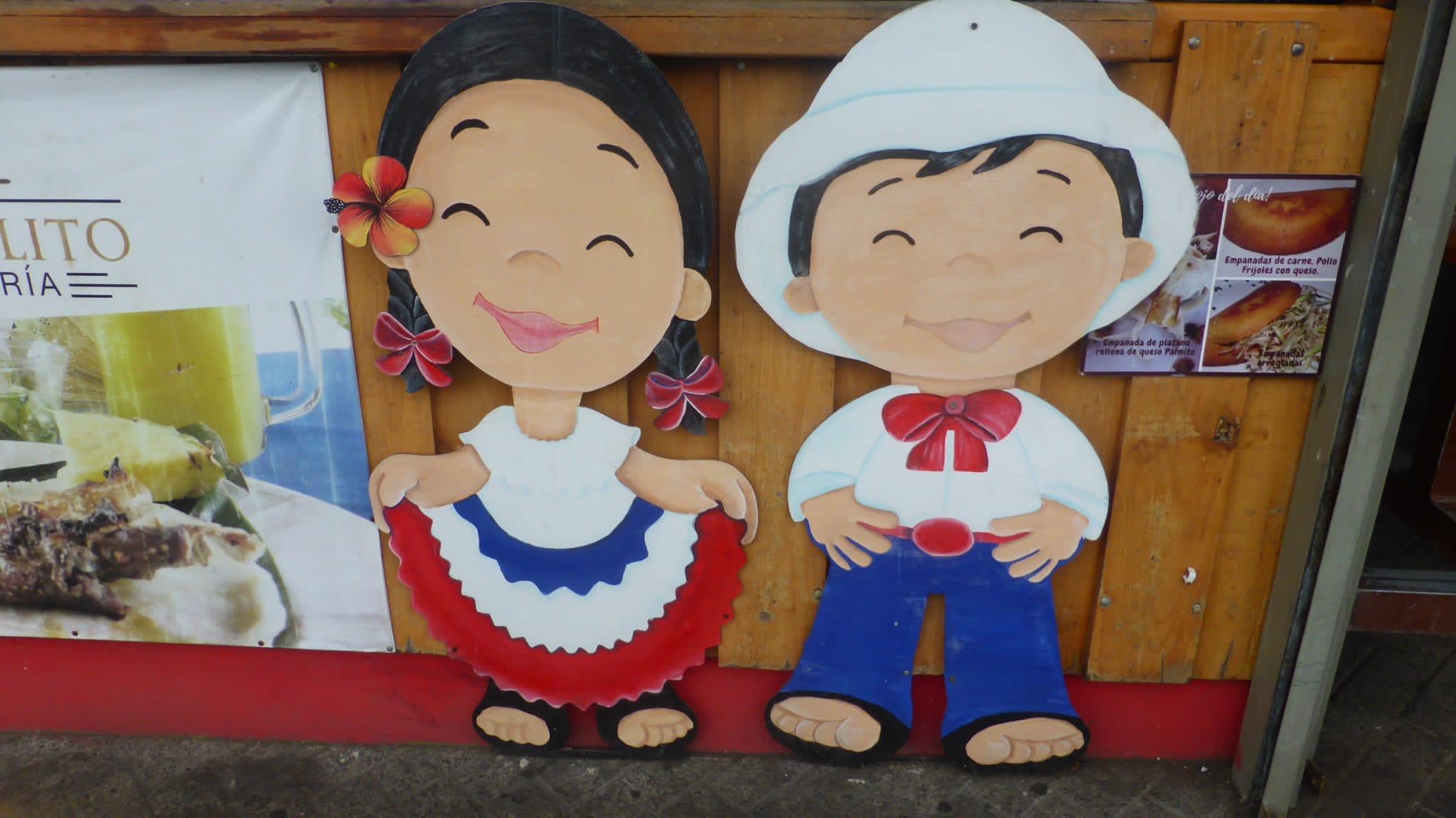
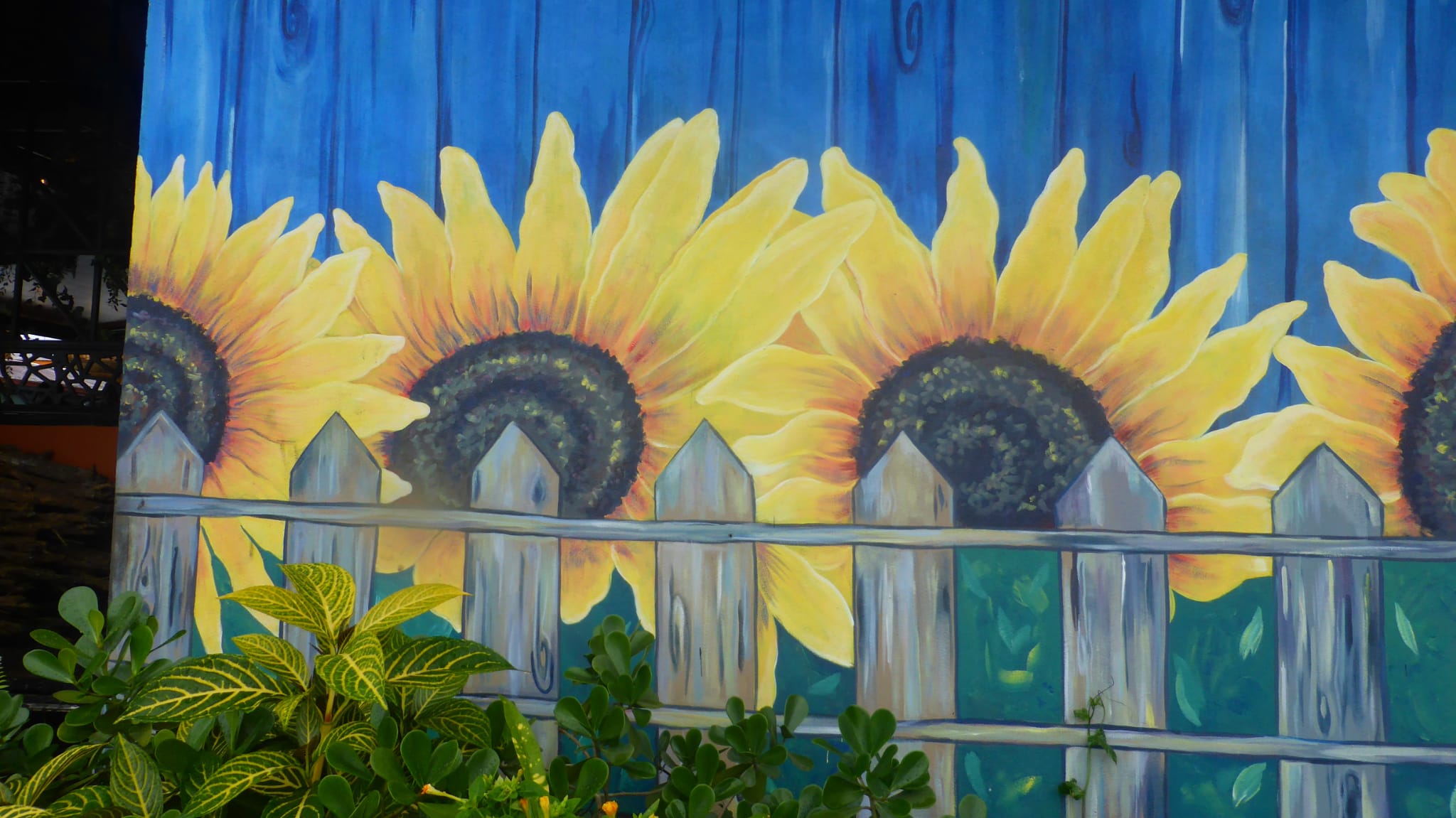
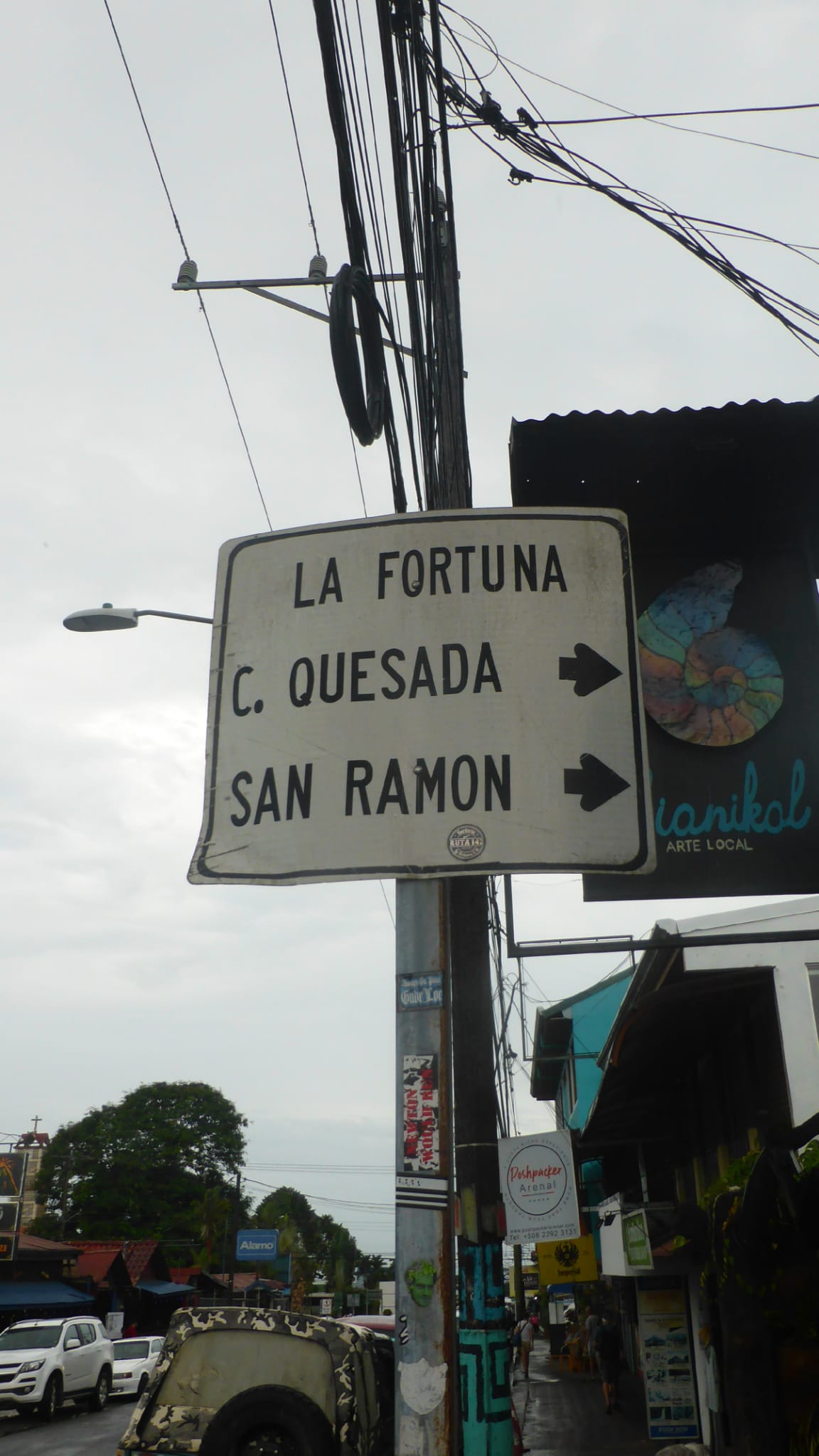
We wandered round La Fortuna despite the heavy rain at one point!

 Random Acts of Travelling
You look so well. Very interesting post! ❤️
LikeLike