Putting to bed the issues from the day before we decided to just concentrate on having a good time. We had such a lovely breakfast and being quite cheeky and having gone way over budget I proceeded to make sandwiches and rifle the fruit bowl etc for a substantial packed lunch.
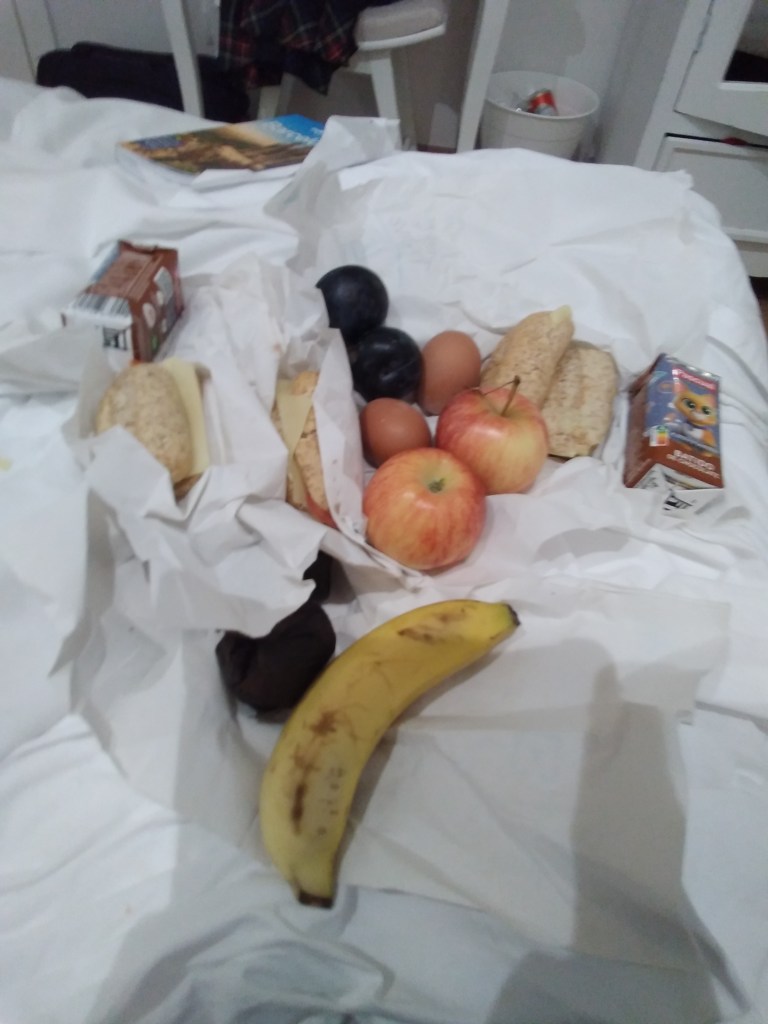
Less frazzled we were able to appreciate the hotel more and the vicinity.
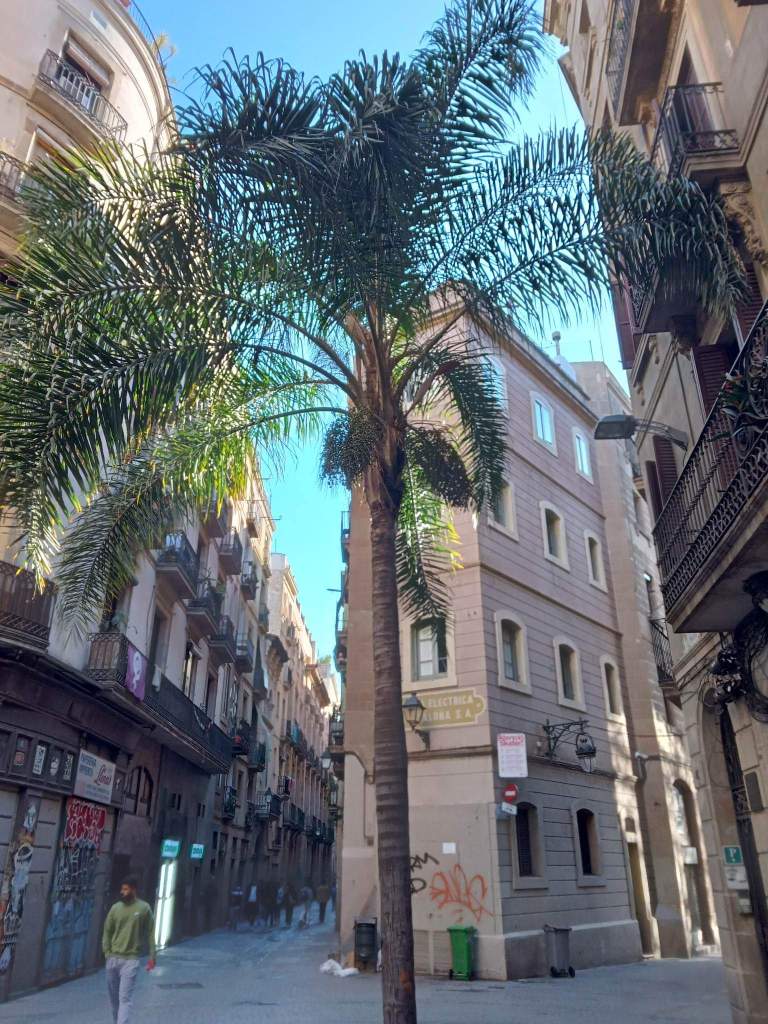
I had booked a free Gaudi walk for the morning which coincidentally began where the main morning part of the festival was continuing. No fireworks this time! The placa was buzzing as there was also a flea market going on, which has operated on the site for hundreds of years. The majority of the stalls were dedicated to selling stamps, coins and cava tops. Not really certain about the last one but we were assured that these had been sold here by generations of the same families.
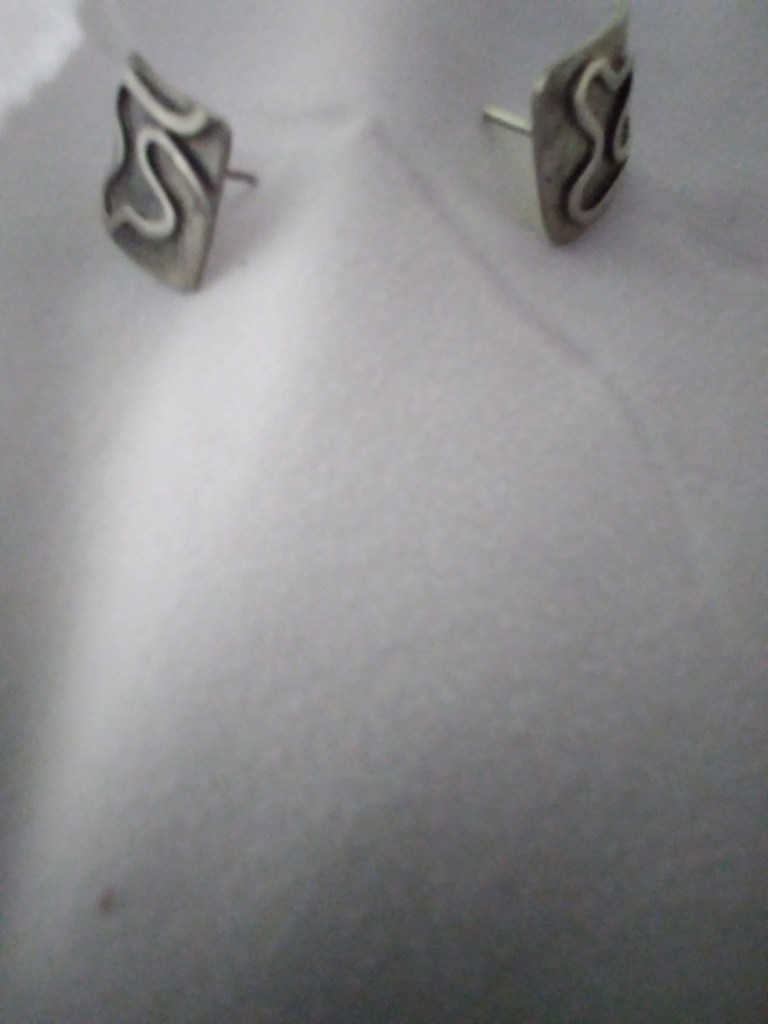
I bought these earrings on one of the few stalls that deviated from the others weighed and cost three euros.
Around the square the gegants ,(or giants) started assembling. Towering at three to four metres high there are apparently about 100 different figures based in Barcelona and 1000 carriers – a skilled and potentially hazardous job.
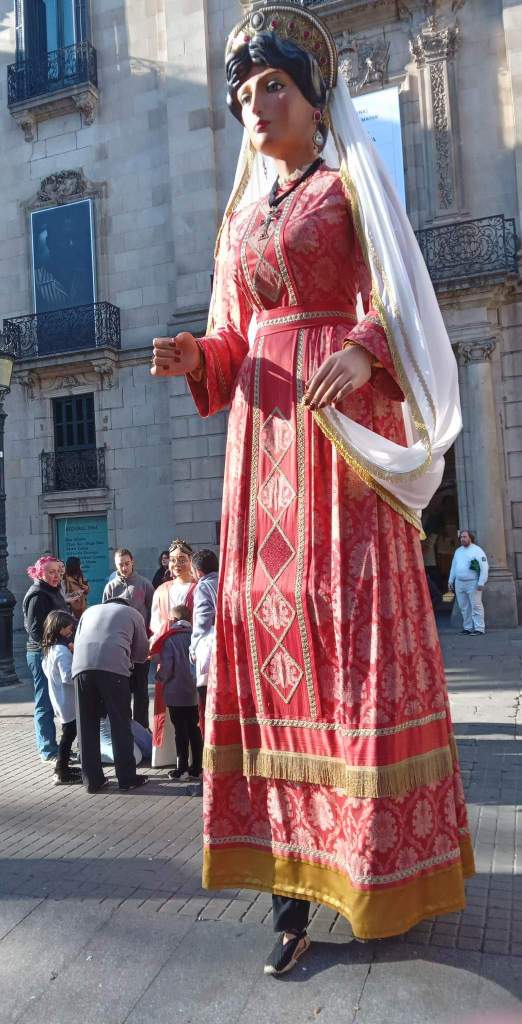
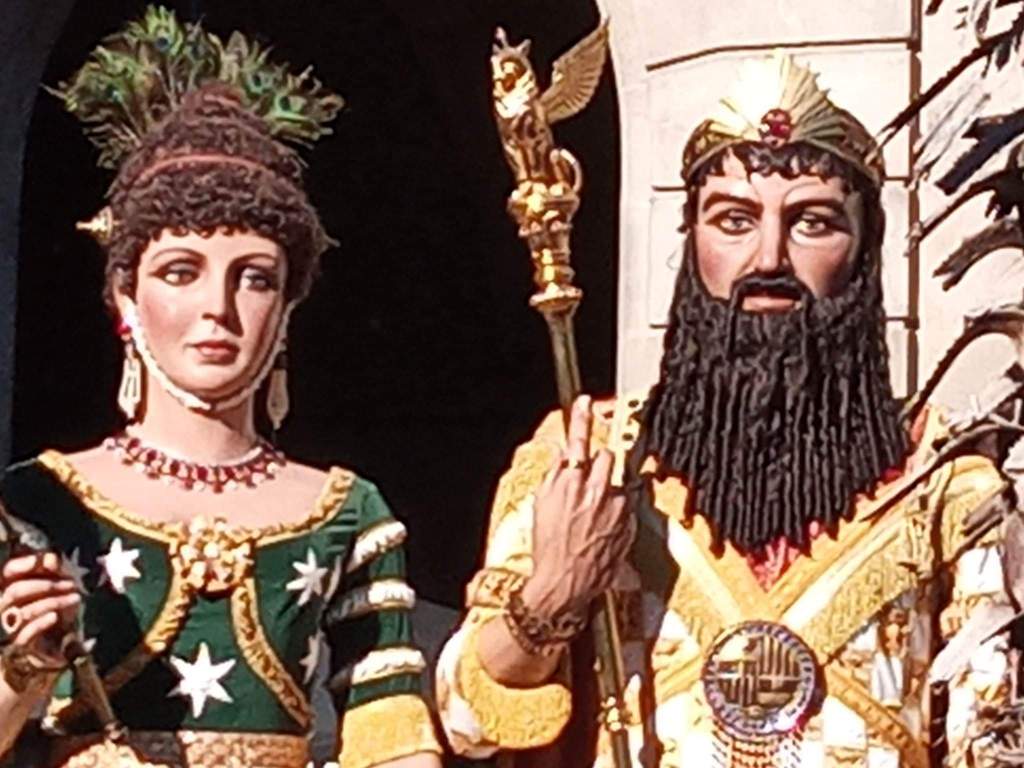
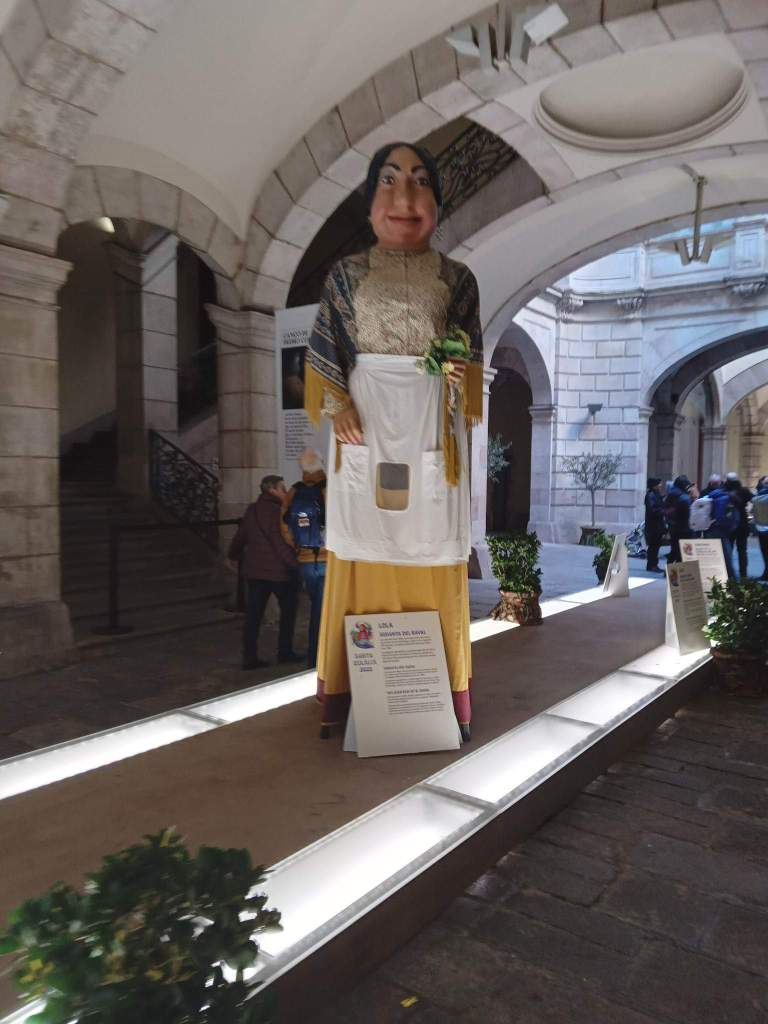
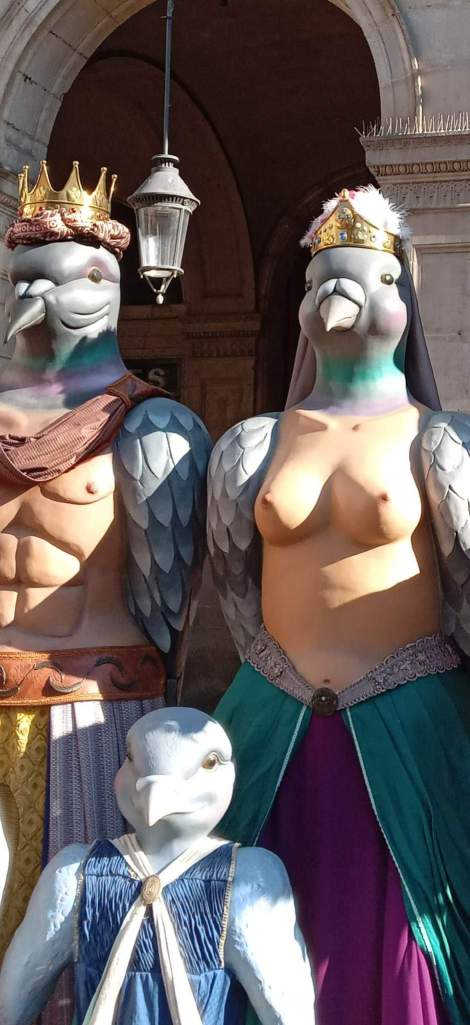
I not certain what the significance of giant pigeons with breasts is….religion can be odd.
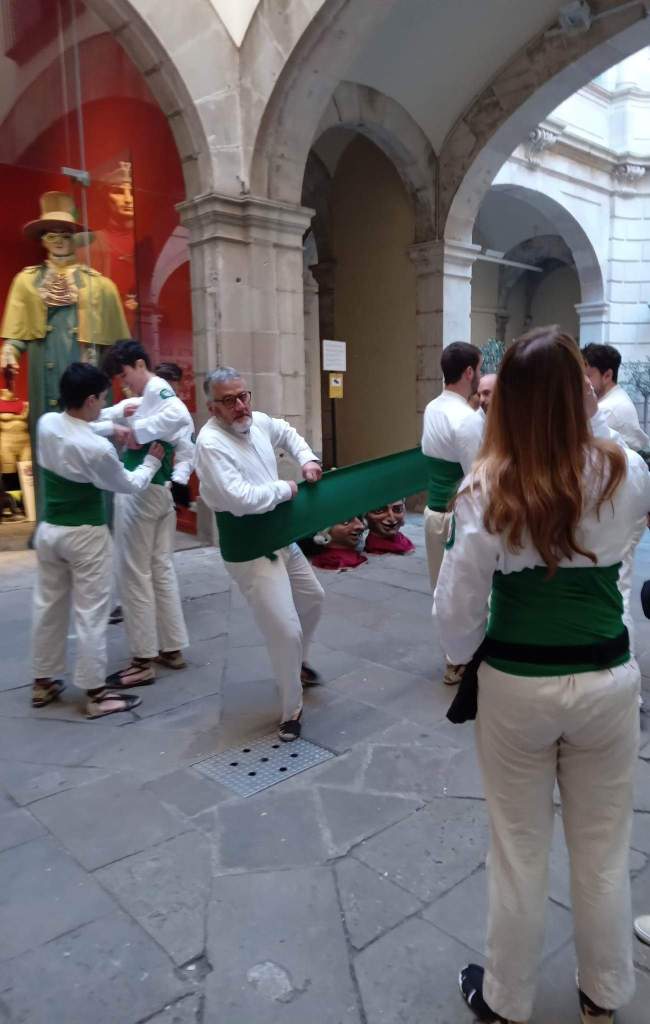
We saw people taking part in the festival being tugged into long pieces of cloths. Called faixas, originally worn by farm labourers to keep their kidneys warm and support their lumbar region. Now it seems that the different colours represent different groups.
We met with Lisa from the walking company,from Dublin but has lived here for 21 years. She was very exuberant and got us to introduce ourselves, which in hindsight was good because we chatted lots on route. The group consisted of a couple from Manchester a couple from Ontario, 2 couples from Dallas, a man from Canada who is now living in Reading, teaching year 5. There were people from Lincolnshire but they disappeared part way through.
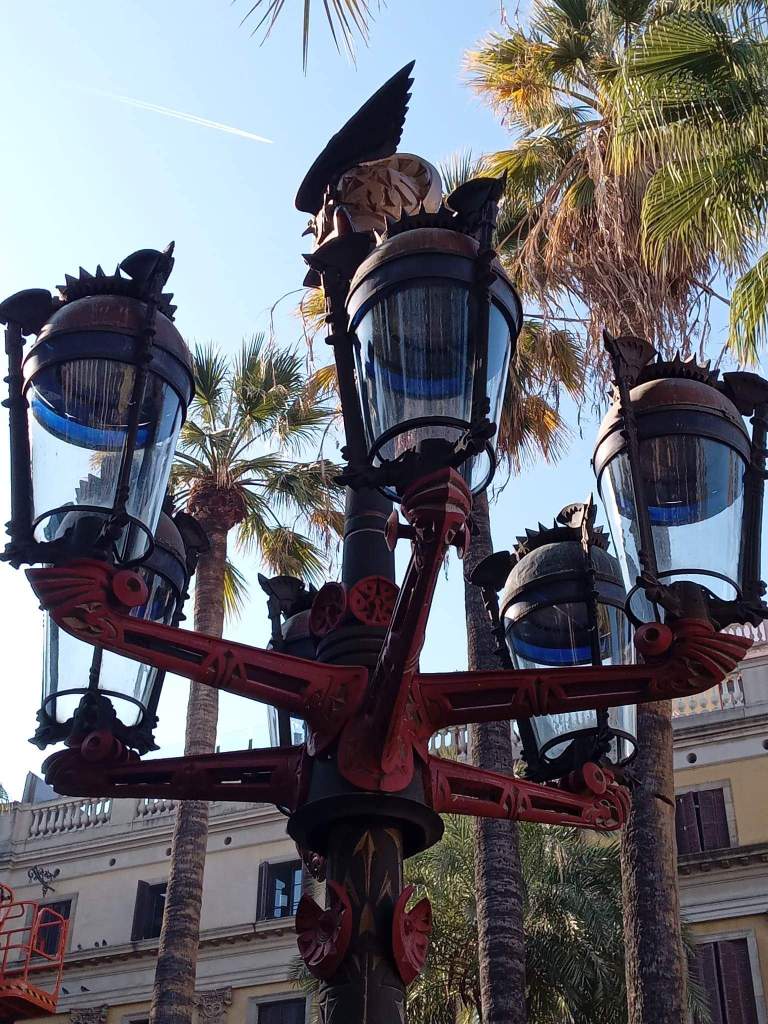
Lisa gave a brief overview of Gaudi, who was very much disliked by his university lecturers because he couldn’t stick to their parameters. So much so that they convened a meeting to get rid of him. Only one lecturer stood up for him much later in life Gaudi and him would be in competition with each other. We we standing by Gaudi’s first commission, a lamppost. The council offered him a pittance as he was newly qualified – nothing changes! Gaudi insisted on getting 12 times that amount, he didn’t get it but it was increased. The outcome was that the council vowed that he would never be asked to complete a project , which is ironic given the revenue he continues to bring in to Barcelona.
On the way to the first Gaudi house the festival was starting up roads closed and human towers or Castells assembling.
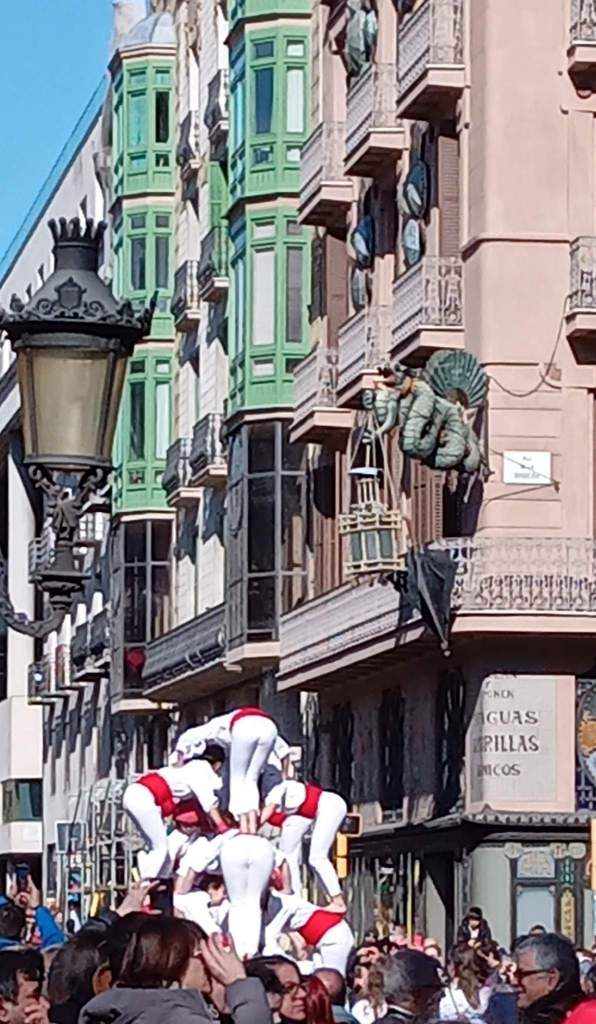
The people involved are supposed to represent strength, balance, courage and common sense. A risky business that has resulted in deaths and injury, which has resulted in children now having to wear helmets. As these structures go up by quite a few metres it doesn’t guarantee too much safety.
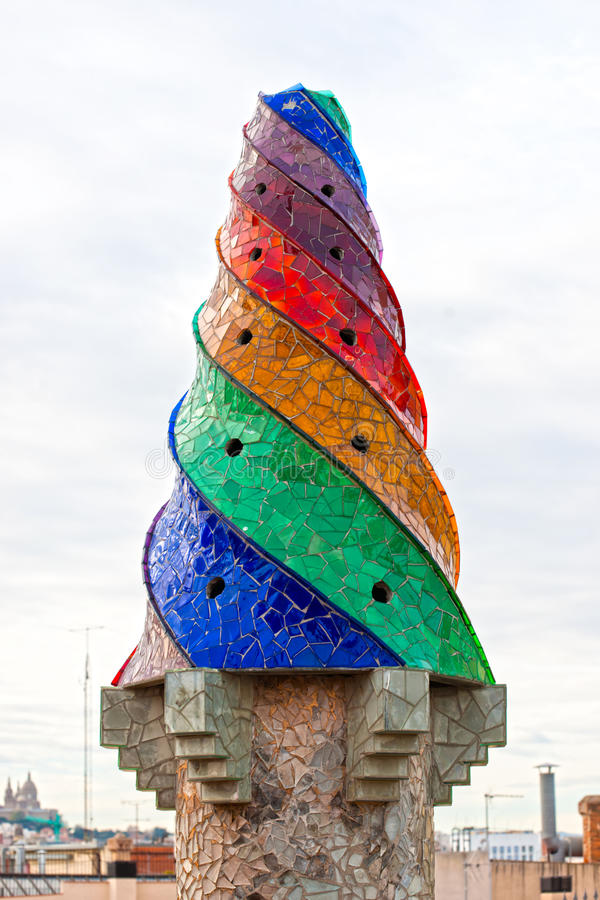
Gaudi was able to become successful due to the patronage of a rich man named Guell. The Guell Palace was enormous, very grey representing the very religious outlook of Guell. However,at the top of the palace we could see a glimpse of the colour and quirkiness Gaudi is famous for.
From there we went on the Metro arriving shortly thereafter at the Casa Battlo. Lisa explained that Gaudi was very much influenced by nature and the house has a sea like aspect to it. Although at the top of the house is a slayed dragon which is a bit at odds with this. At the time of this commission the wealthy in Barcelona were in competition as to who would have the more expensive and excessive homes.
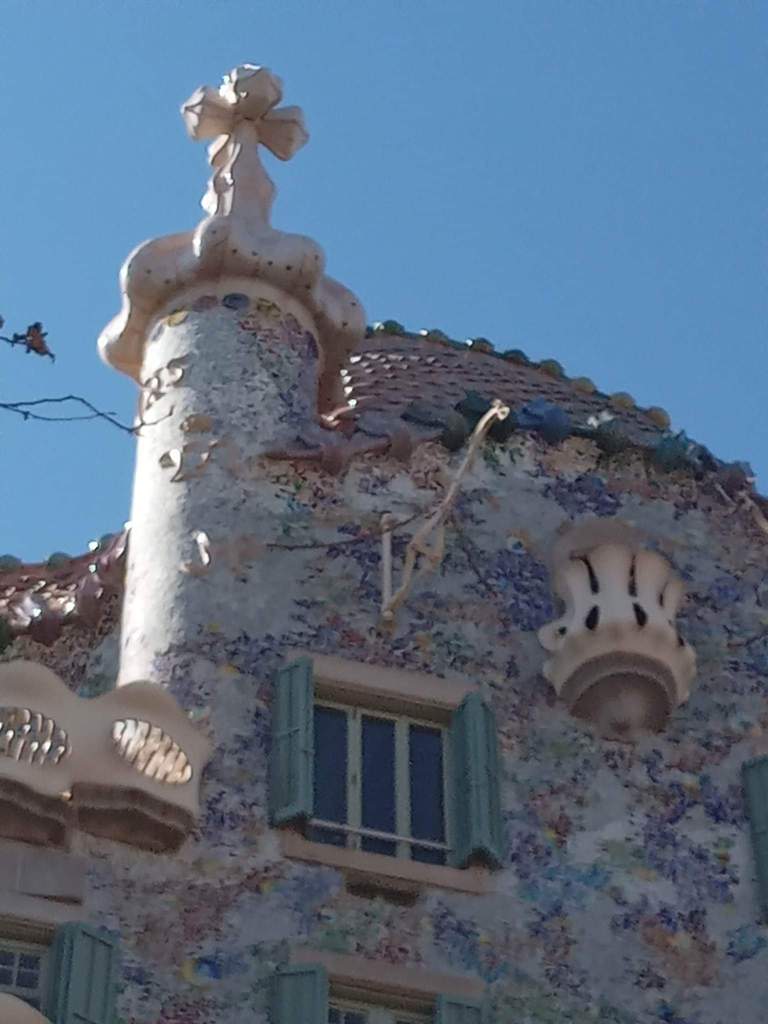
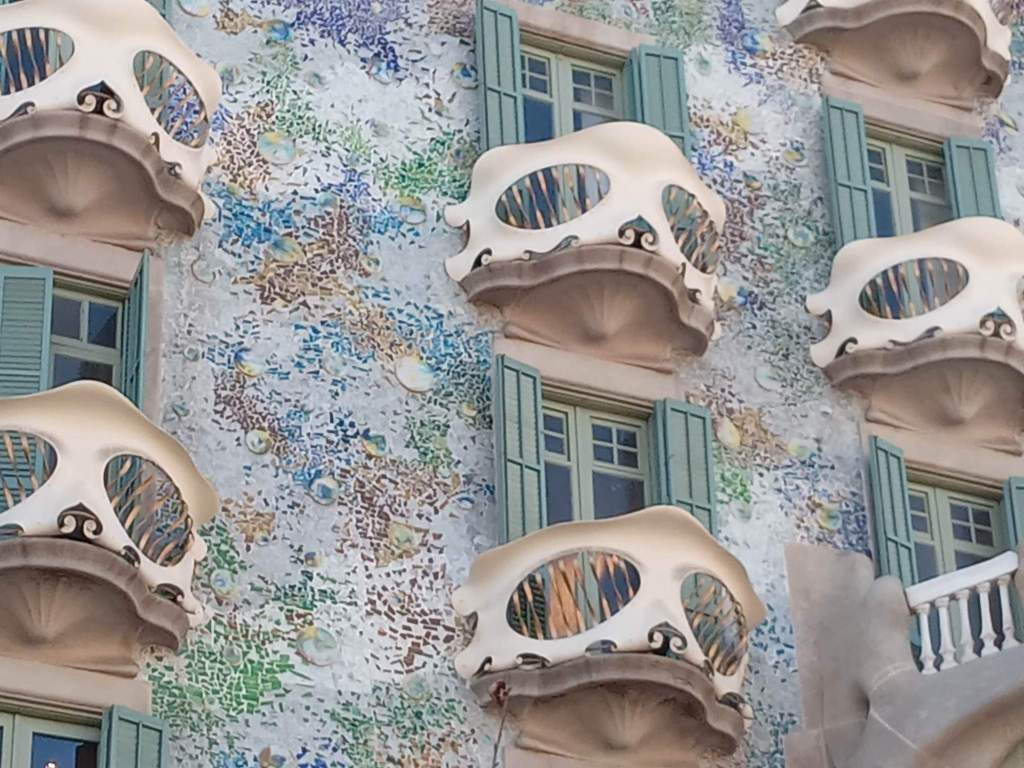
Gaudi became known for the lengthy process of creating his houses. He would visit at different times of the day and night to evaluate the impact of light on them. Sometimes completely going back to the drawing board.
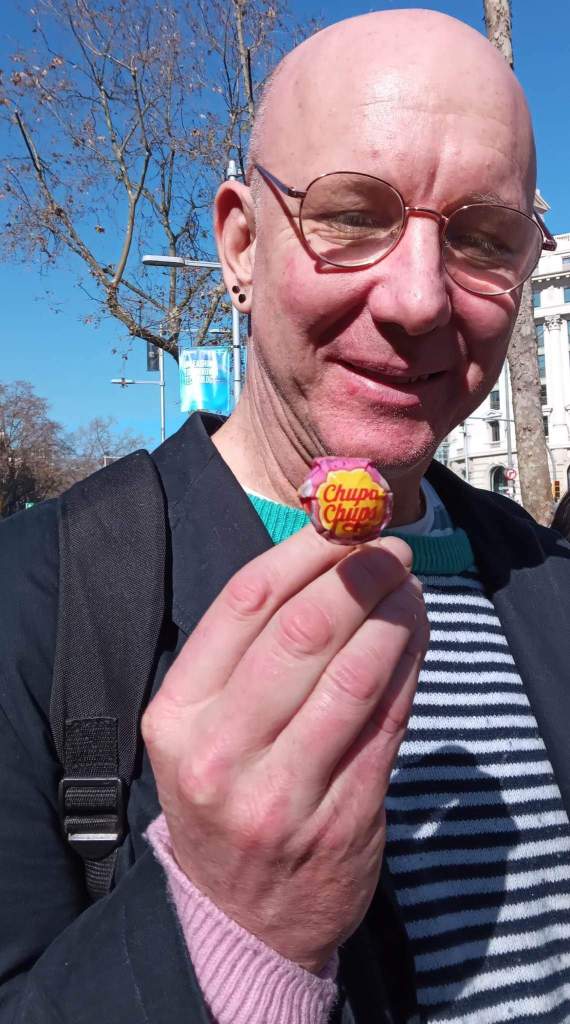
Just before we headed to the next building Lisa produced a Chupa Chup from her bag. Which famous artist produced the design she asked. Thank god for being a hive of useless information, Dali I said. I won!!!! So competitive,but not all bad as I gave it to Pete.
A short walk away the Casa Mila is situated. Considered the most influential example of architecture in the world but also a project which Gaudi had not really wanted to be involved in as the person commissioning it was not the most pleasant. Undulating shapes both inside and outside is supposed to represent nature.
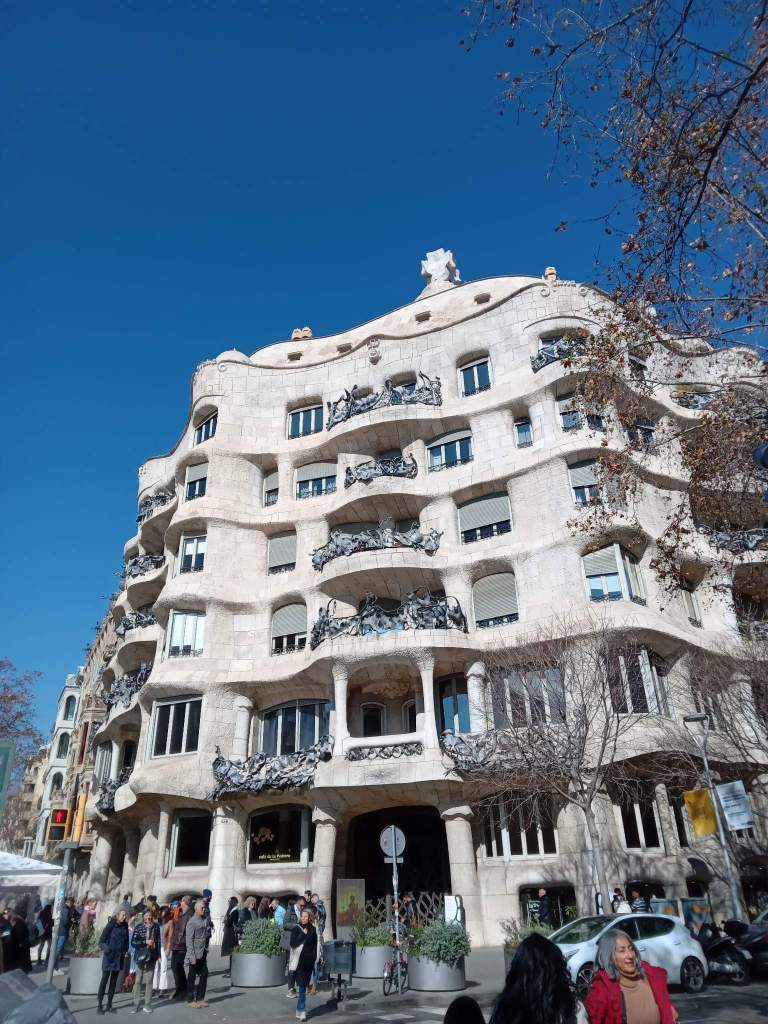
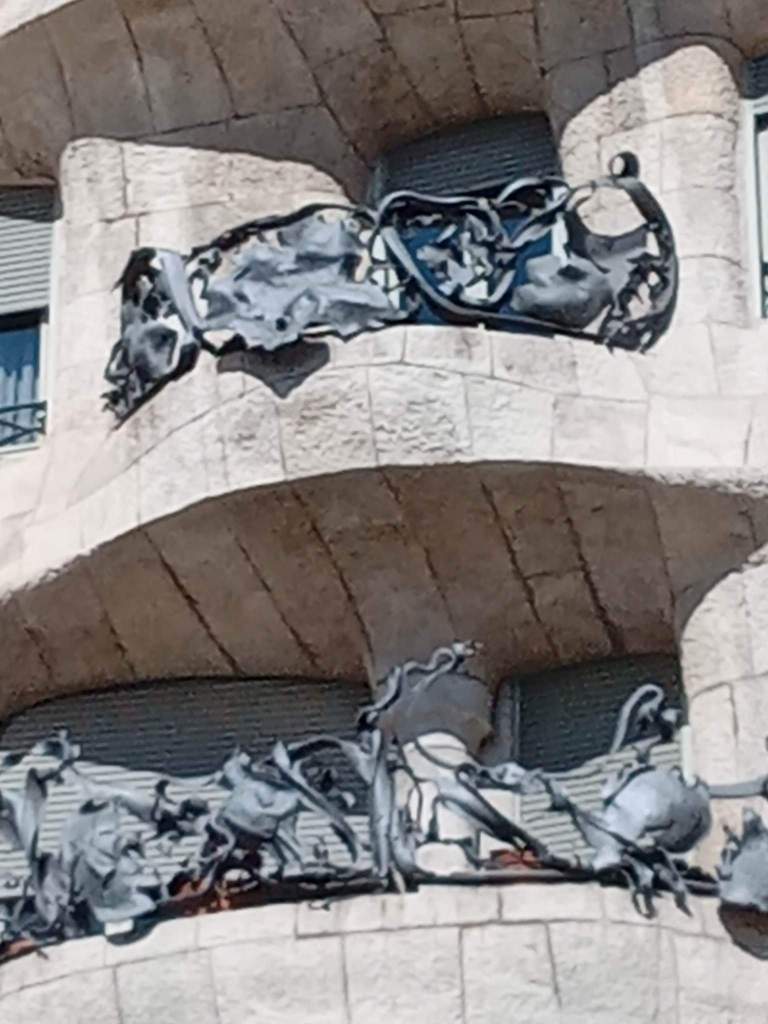
Each balcony different as it would be in nature. Inside it was split into apartments and now only three remain, all occupied by elderly women who only pay four hundred euros a be month to continue to stay there. To put it into perspective this area is super rich, we passed Dior etc shops.
Finally we headed to the Metro towards La Sagrada Familia. Still unfinished and an ongoing project. Lisa said that last year it made 80 million pounds – as it isn’t finished no tax has to be paid. It should have been completed by 2026, a hundred years from Gaudi’s death, she thinks that secretly it suits their purpose as they keep the money. Following his death a number of architects have worked on it, ensuring the spirit of his wishes are adhered to.
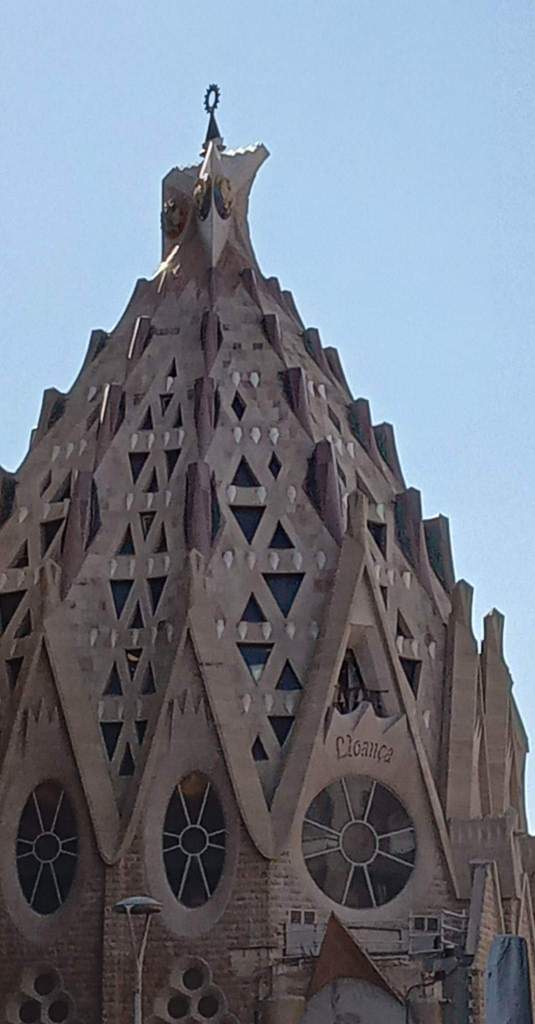
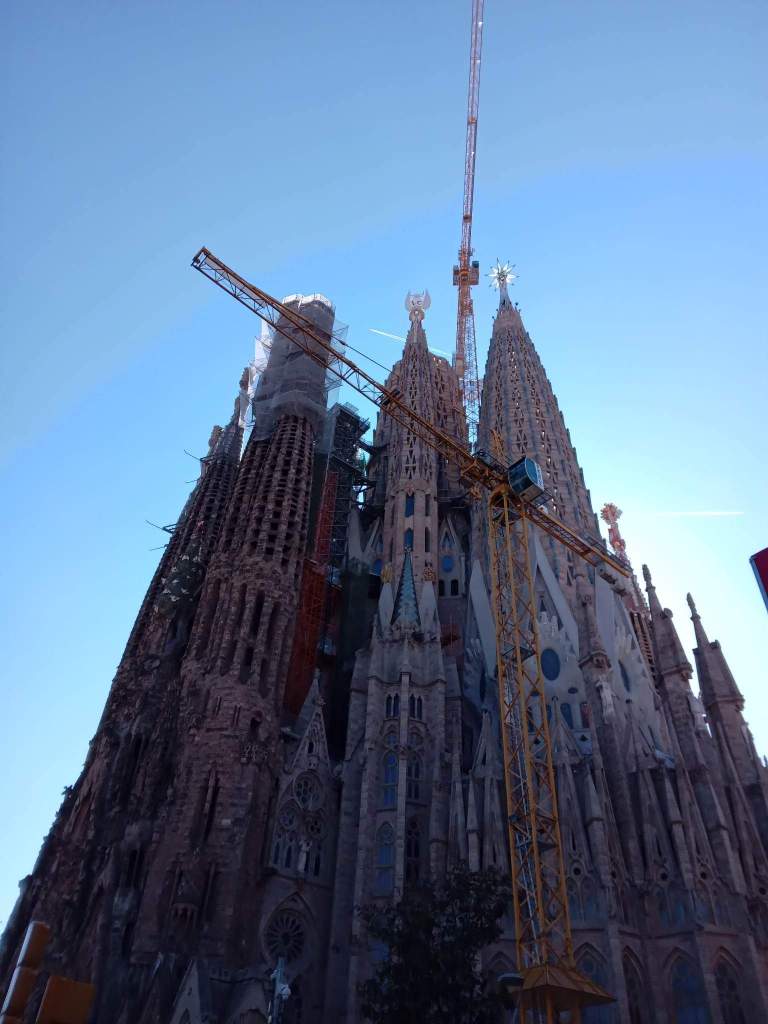
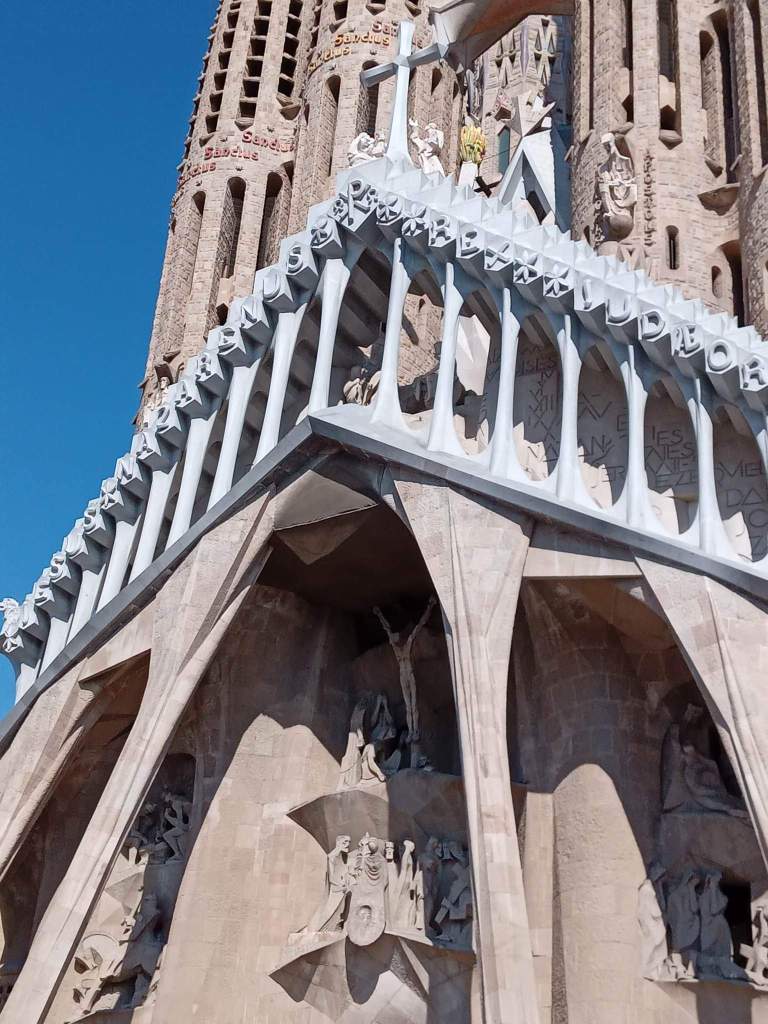
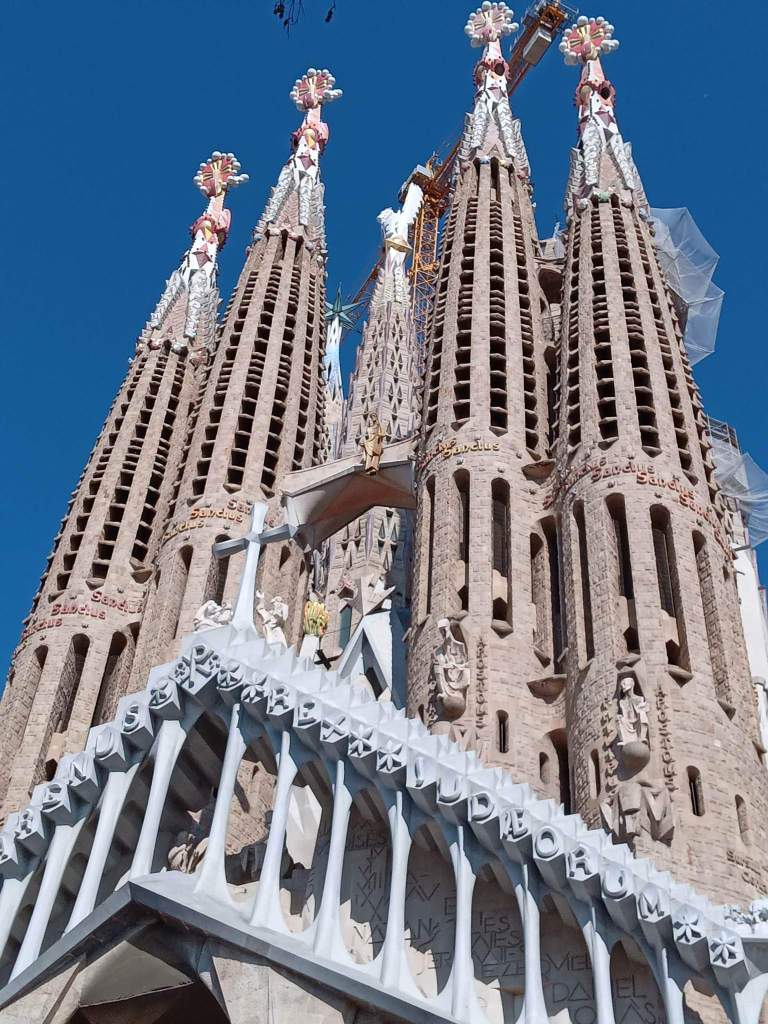
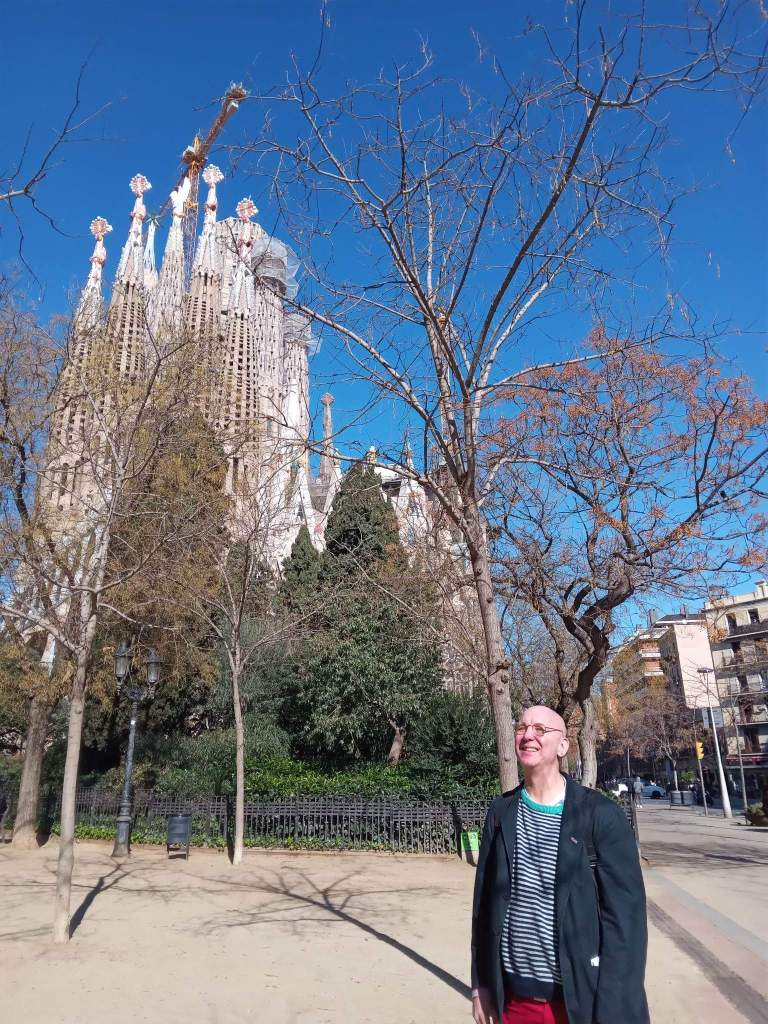
Ornate doesn’t fully describe it. So much to see. Gaudi wanted illiterate people to understand the bible, which is why there are so many depictions of the birth, life and death of Christ.
Parks edge two sides. Gaudi wanted each side to have parks with it in the centre. However, there are thousands of people living in flats around the it and there is quite a bit of protest at the idea of knocking down their homes.
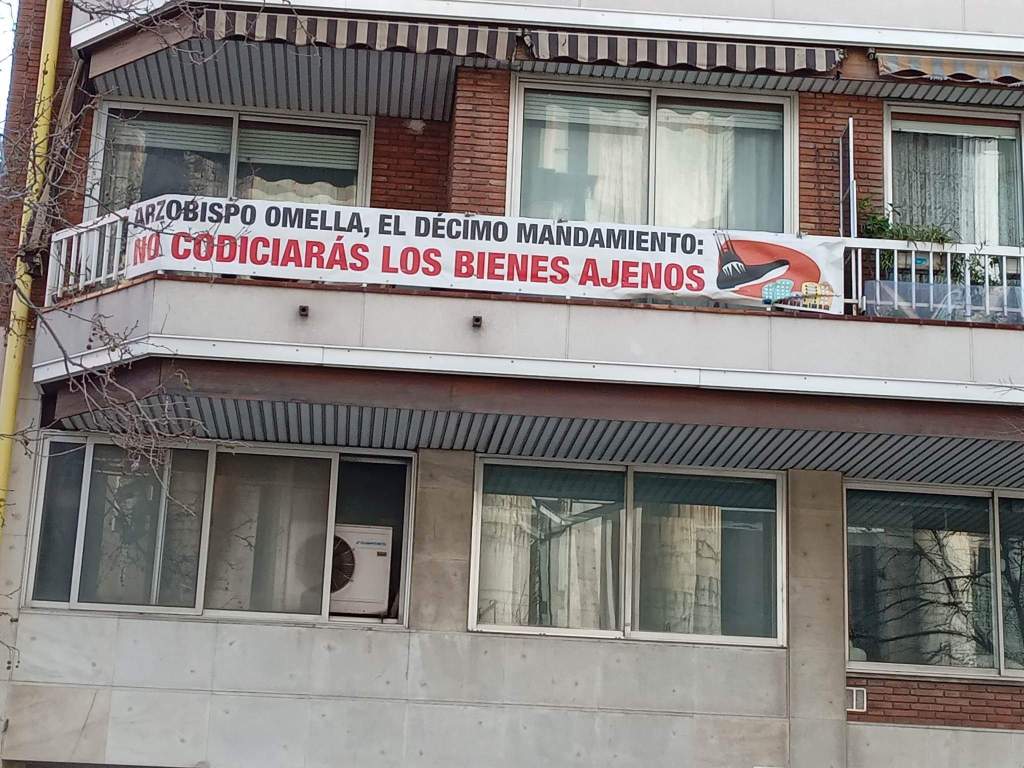
The end of the tour, picnic in the park and then on to the Picasso museum. Realistically this was quite a stupid thing to do as the walking tour had been quite full on but on Sundays it’s free.
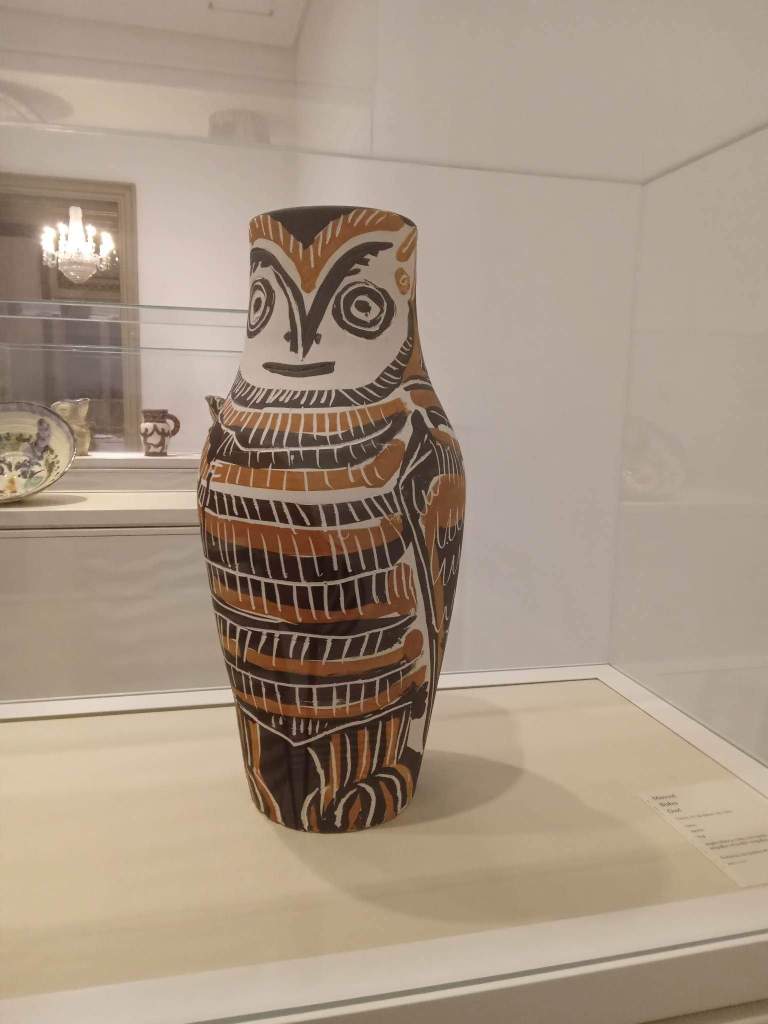
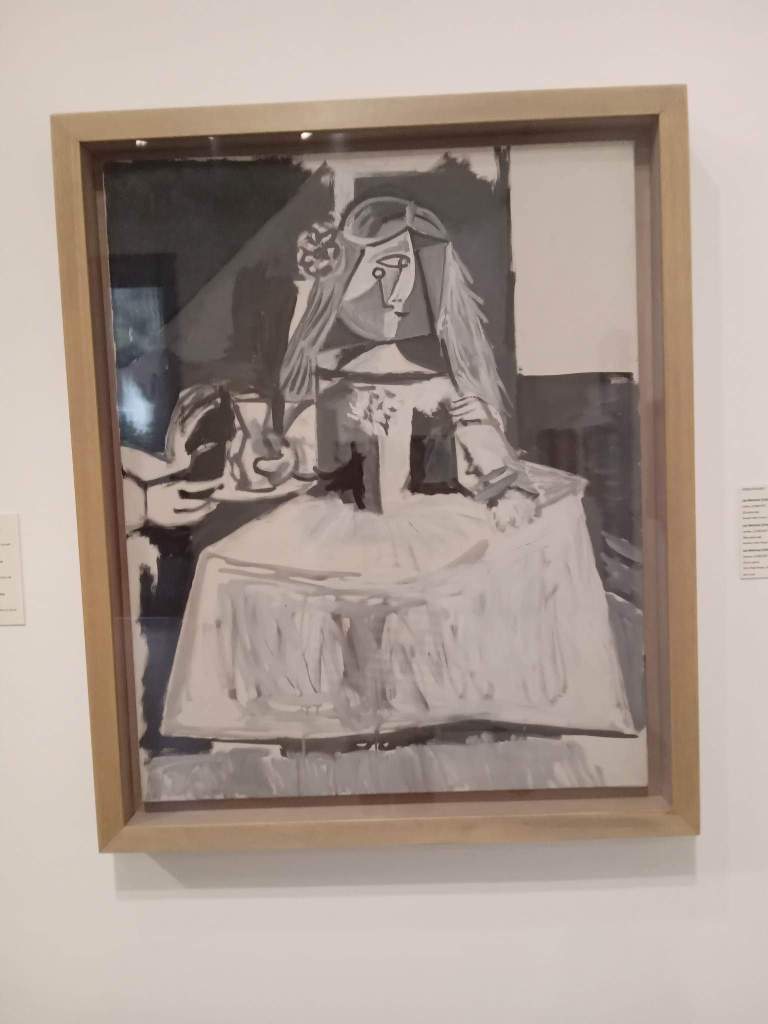
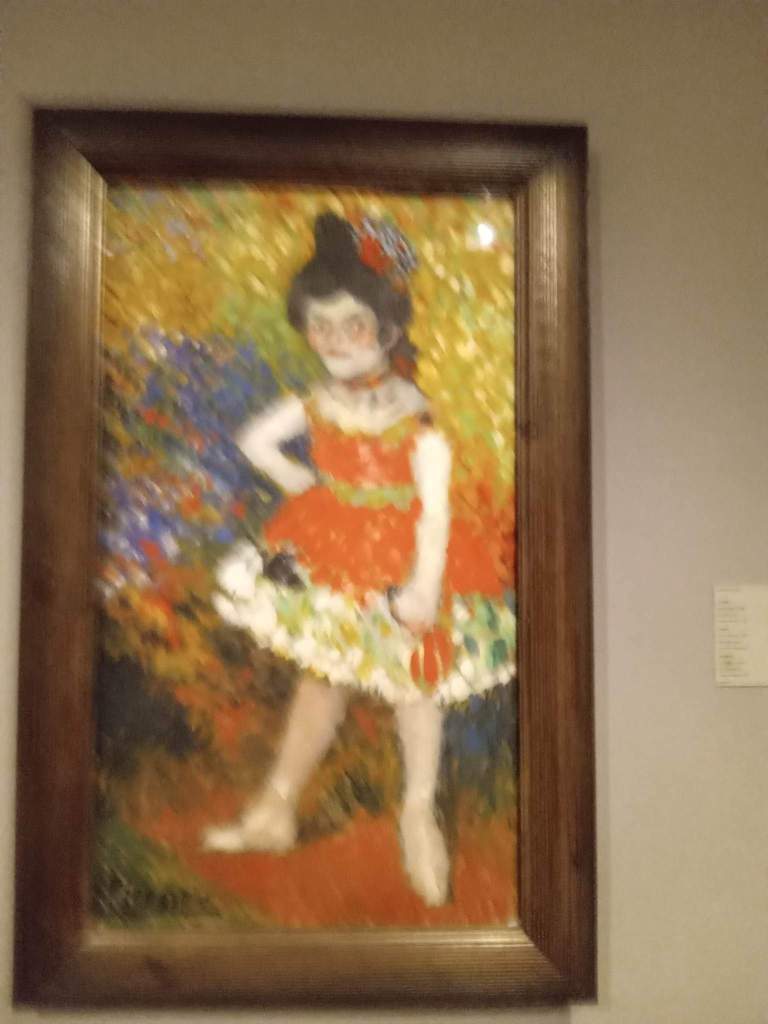
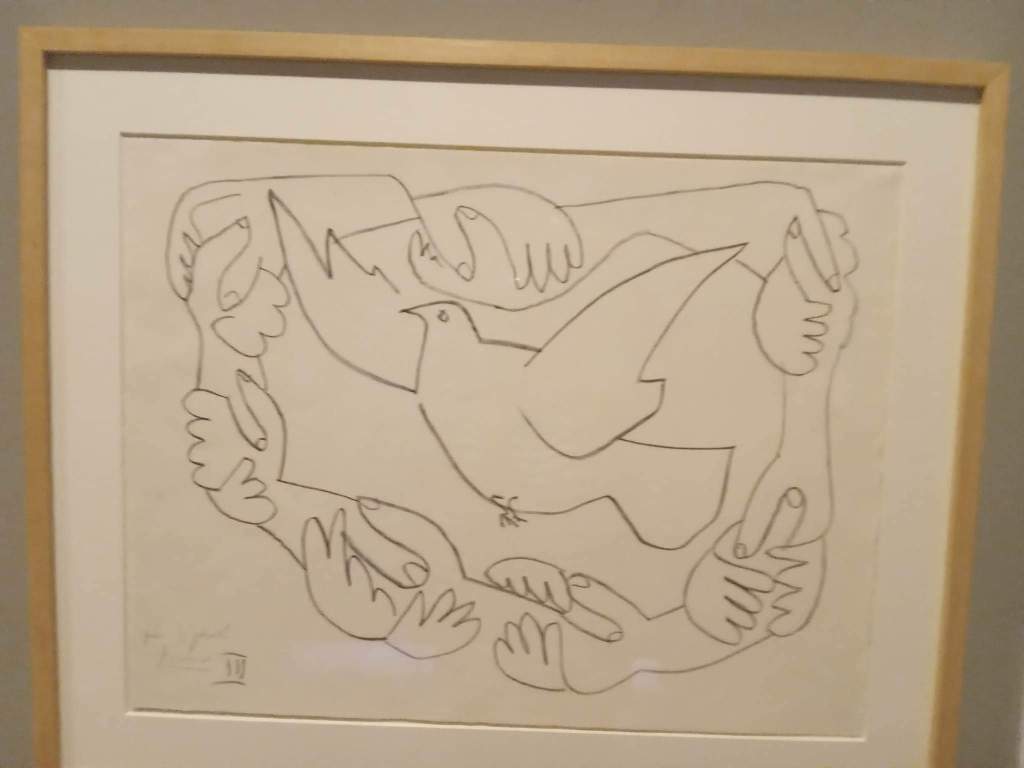
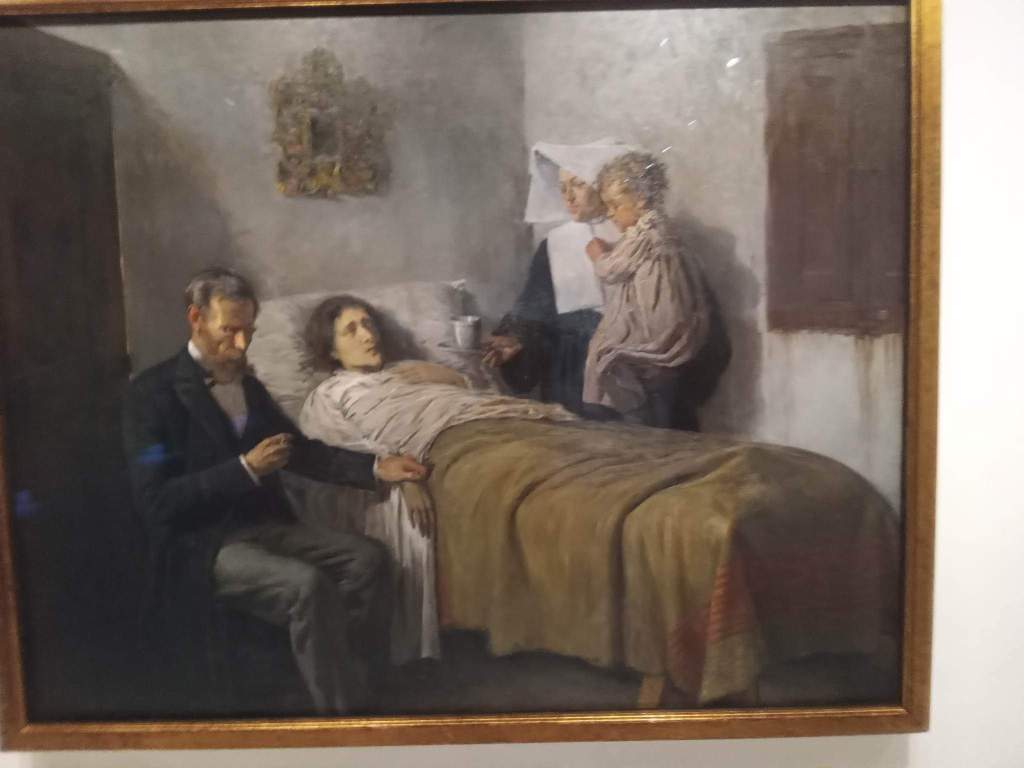
It was interesting to see the development of his art. To be honest there were some bits that I felt were really not great, he churned out a colossal amount. Picasso has bequeathed hundreds of art pieces to the city of Barcelona. There should have been a grand opening with local and national dignitaries. At the time there were a series of military tribunals, called the Burgos trials. Two policemen had been killed and the ensuing trials saw 16 members of a Basque separatist group stand trial. Many were sentenced to death. Within the region and internationally there was an outcry. Picasso was amongst them. He wanted no part of a brand opening with those who were part of a system that targeting the Basque group.
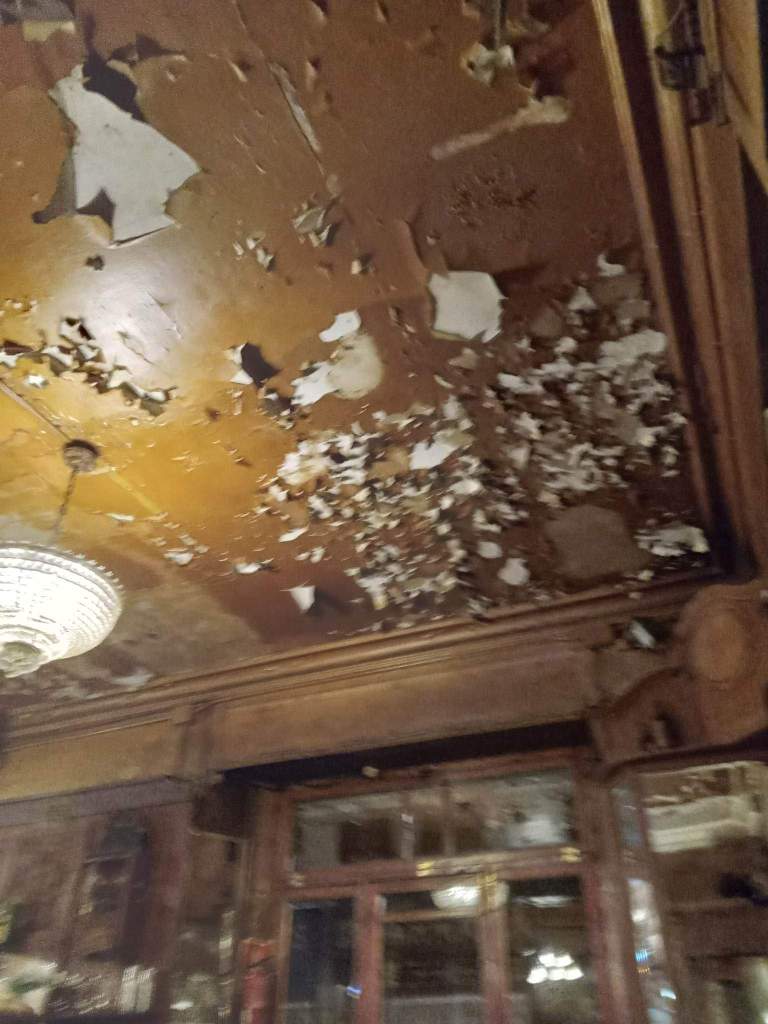
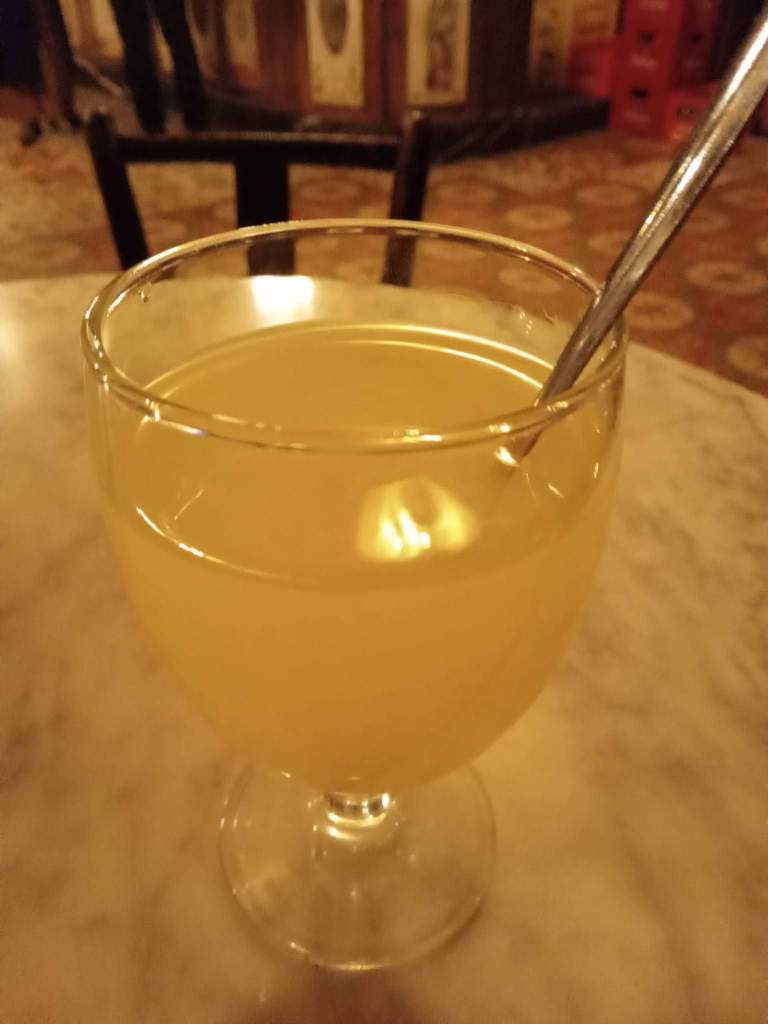
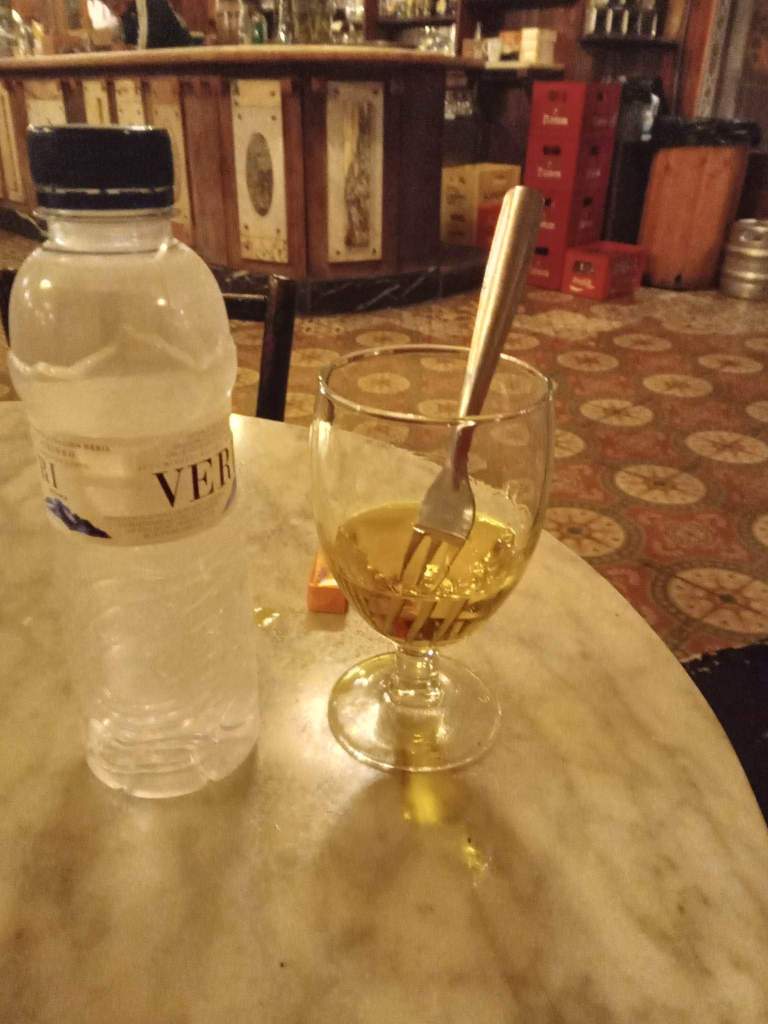
In the evening we went to oldest bar in Barcelona, Bar Marcella. First opening in 1820 -it didn’t look as though it had been painted since.
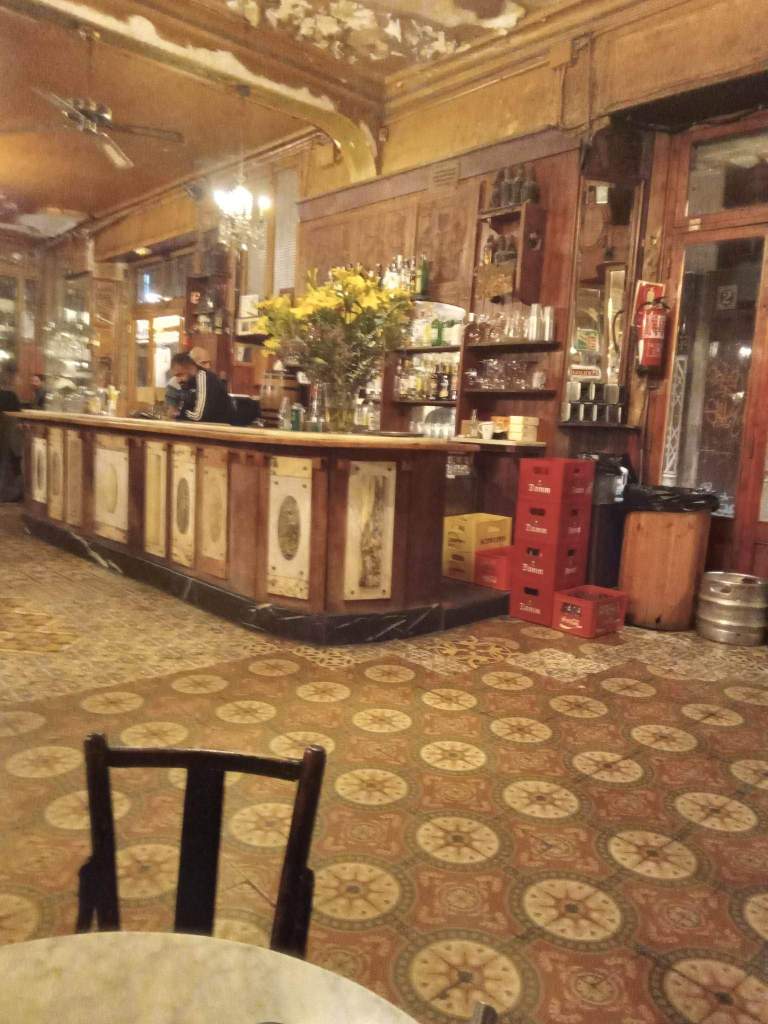
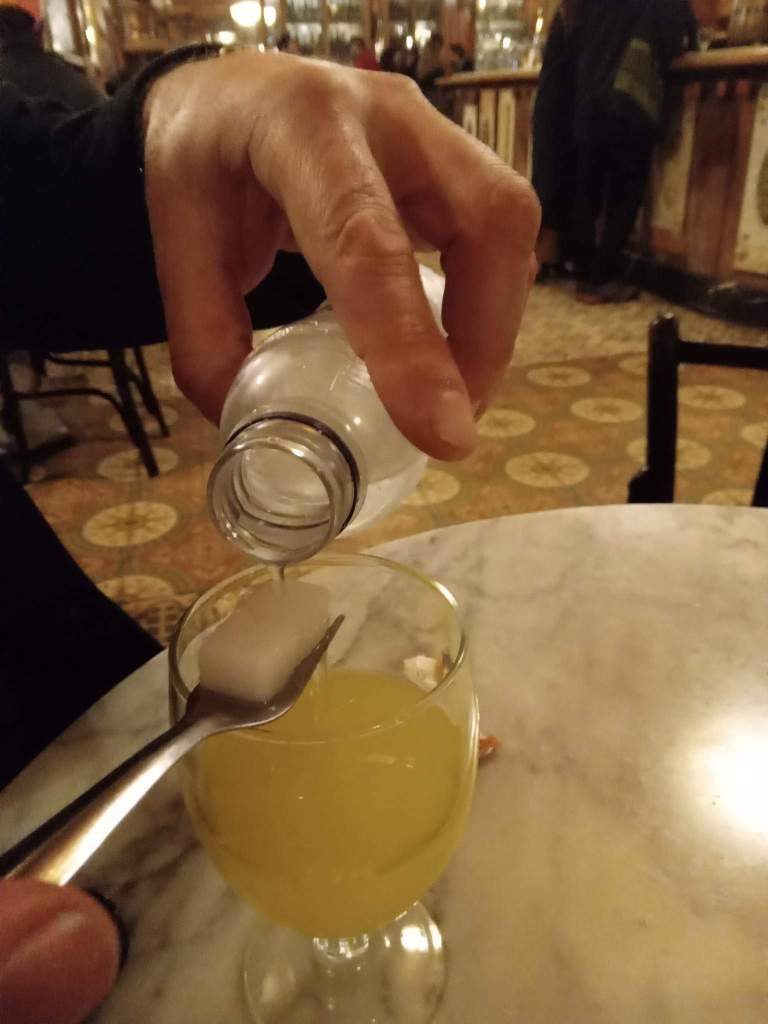
Frequented by many famous figures including Hemingway and Picasso. Also known as the Absinthe bar. Served the traditional way, I did decide to have one, going through the ritual of balancing a piece of sugar on a slotted spoon,pouring water on it until it dissolves and falls off.
 Random Acts of Travelling