We sampled another guided walk today, the Gothic tour with Albert, a native of Barcelona and a historian. Quite different from the last tour but just as informative. It was a much smaller group this time, just a couple from Northern Ireland, Belfast and Derry. The man had been here 14 times as his sister lives here.
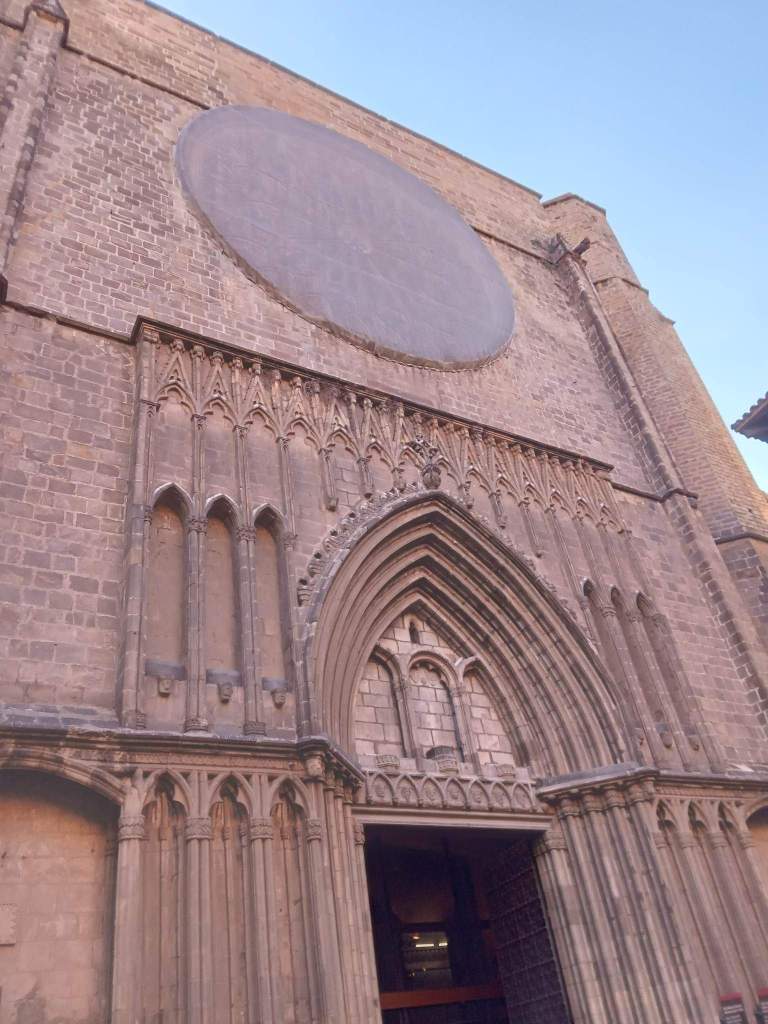
The Gothic tour took us round the old parts of Barcelona. Albert pointed out that in many ways it should be called the fake gothic tour as many of the things we saw on route such as the Cathedral had a gothic facade erected in the 19th century. It was precipitated due to the need for tourists. Ironic as nowadays the level of tourism here is overwheming. Albert’s grandmother is nearly 100 years old and she remembers a time when it wasn’t called the Gothic Quarter but rather the area around the Cathedral. So in many ways very recent or even neo-gothic. That said the area is the original site of Barcelona, dating back over 2000 years ago. We saw traces of Medieval times, Roman times and possibly the oldest synagogue in Europe.
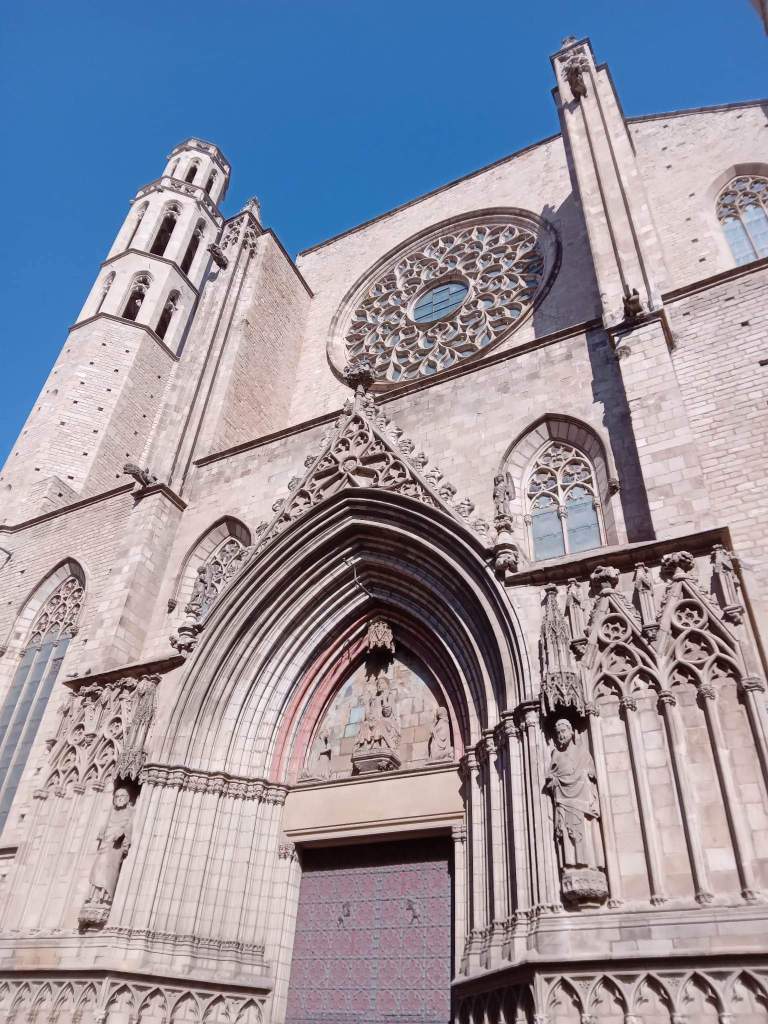
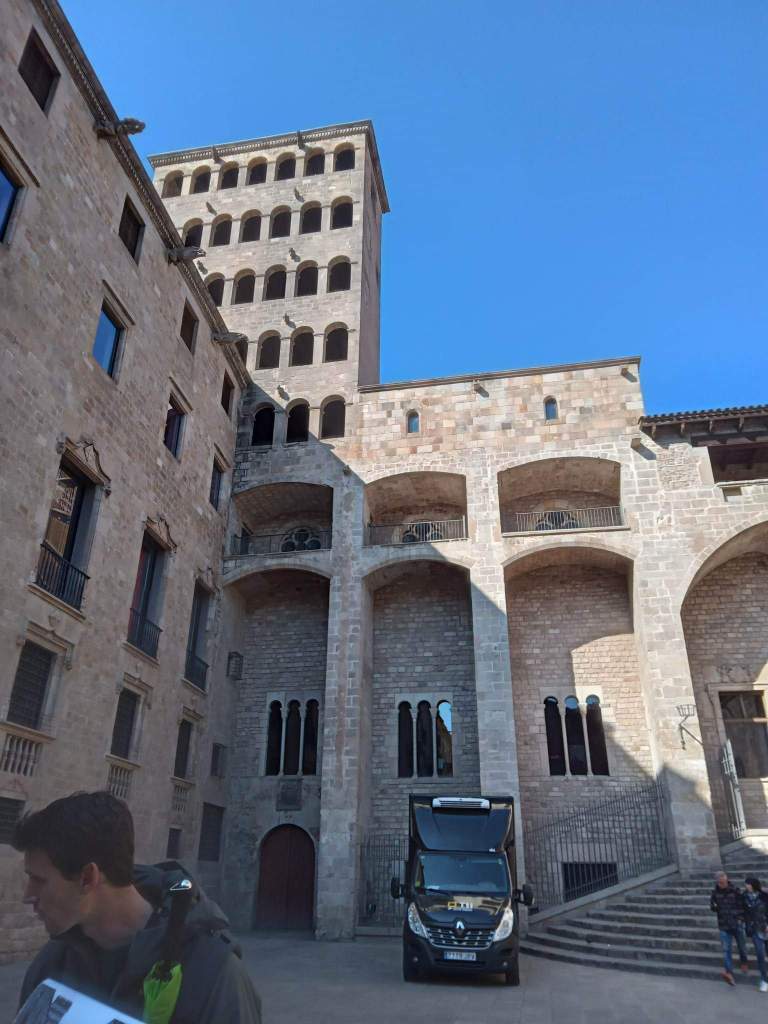
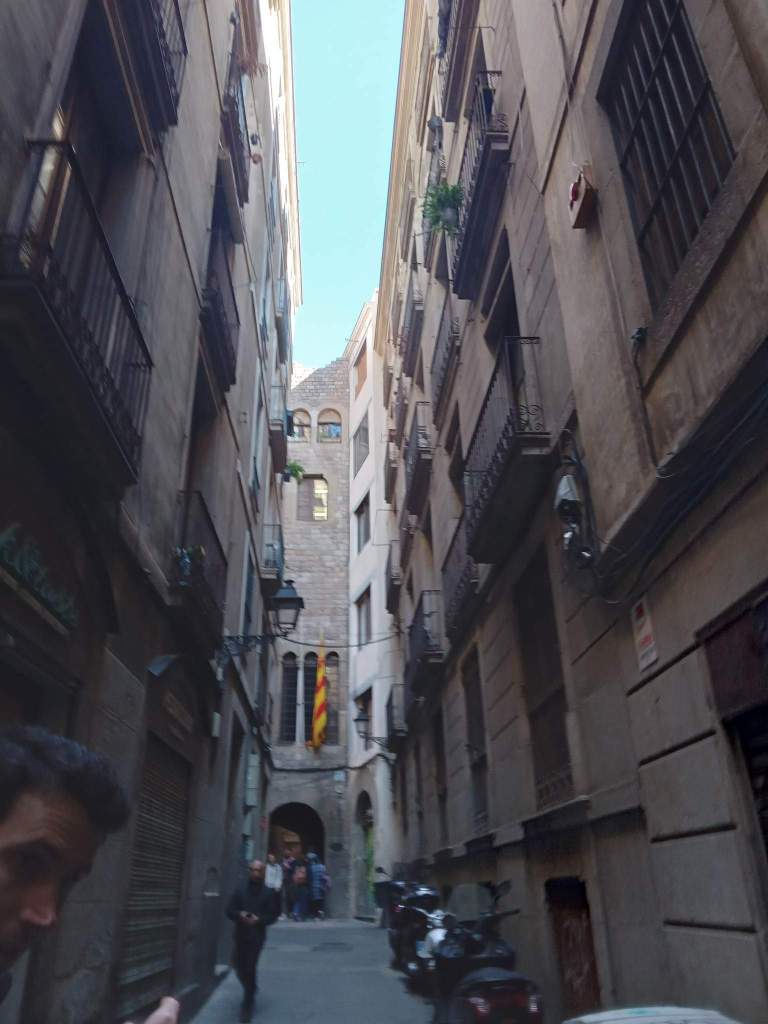
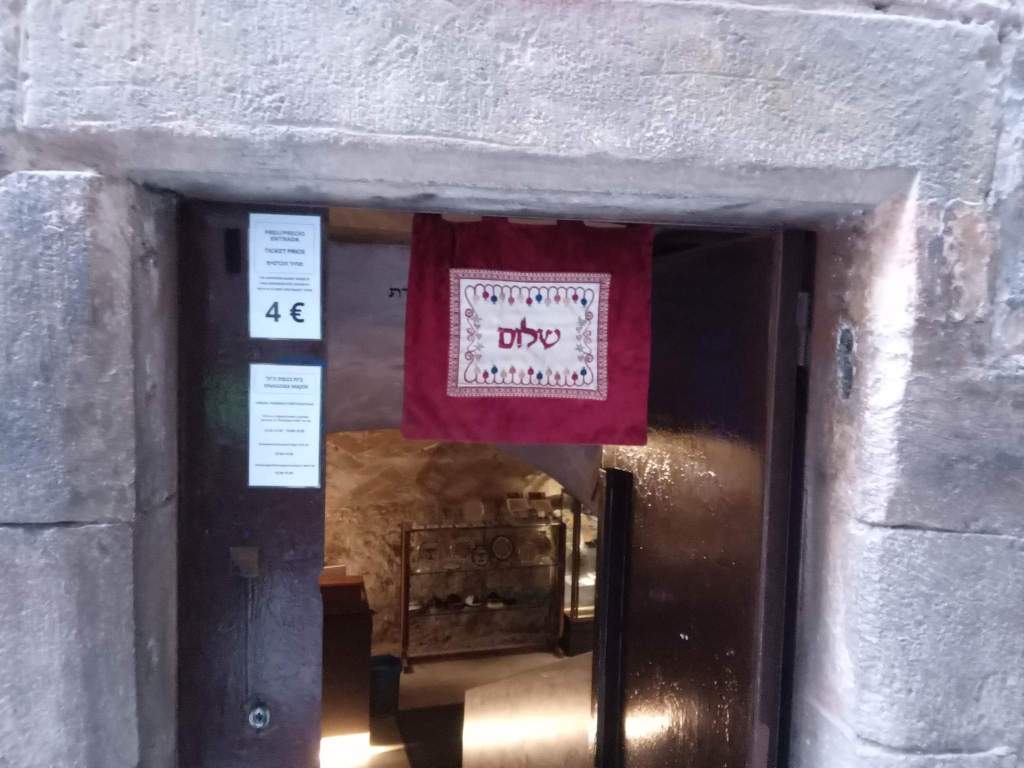
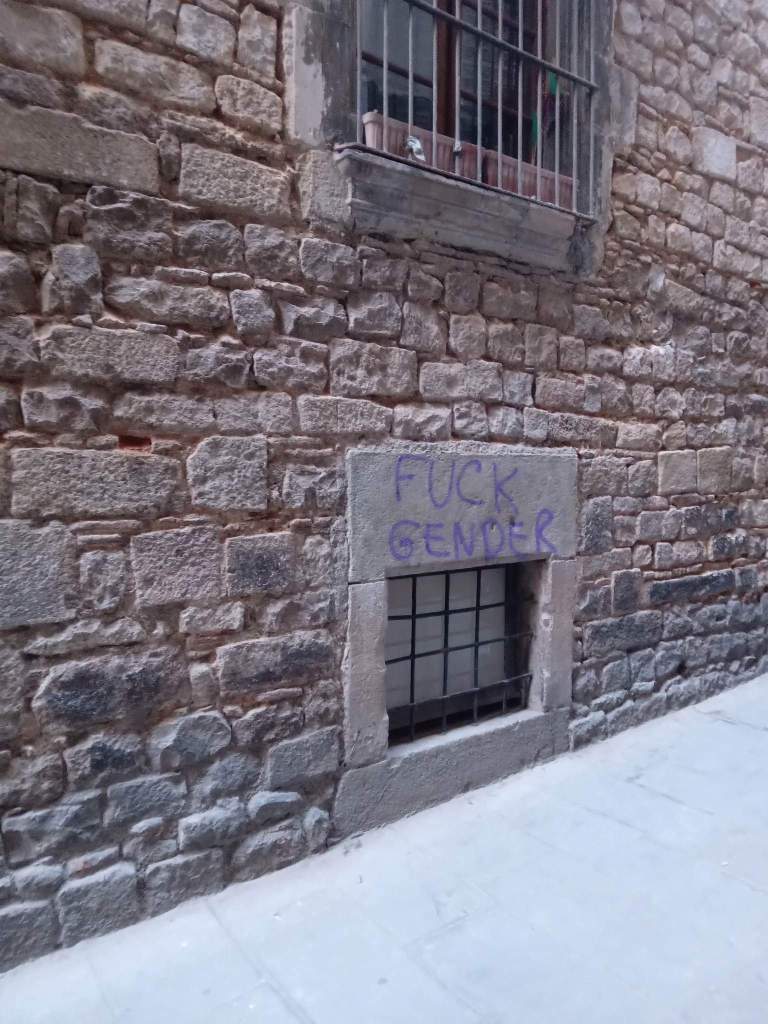
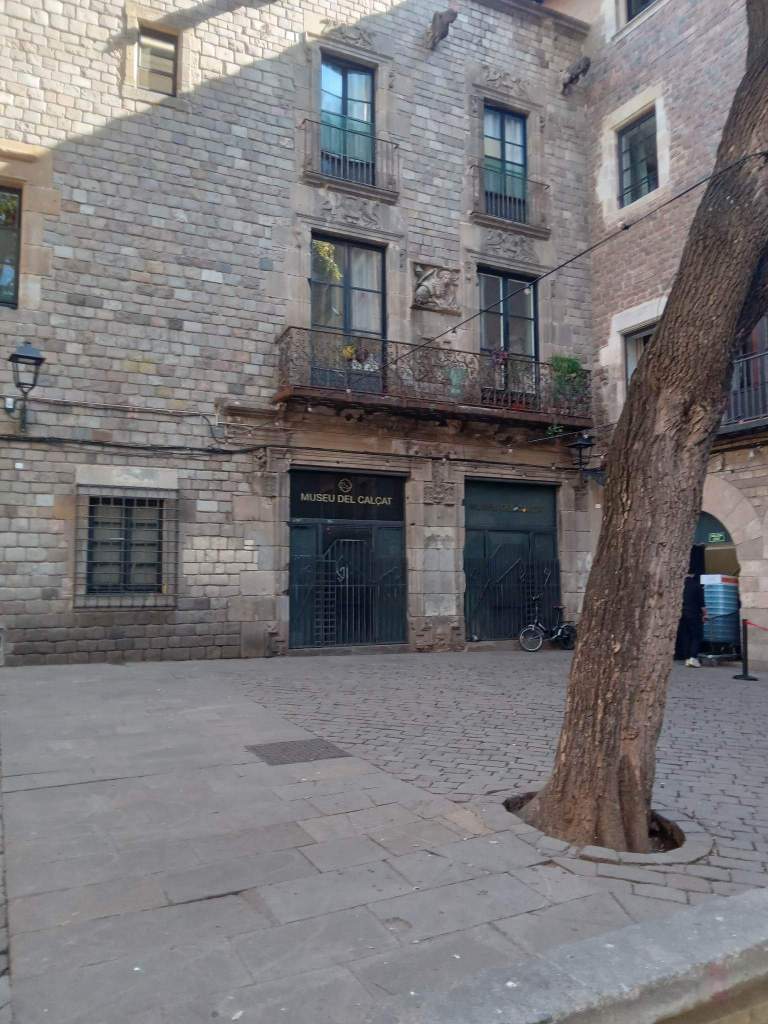
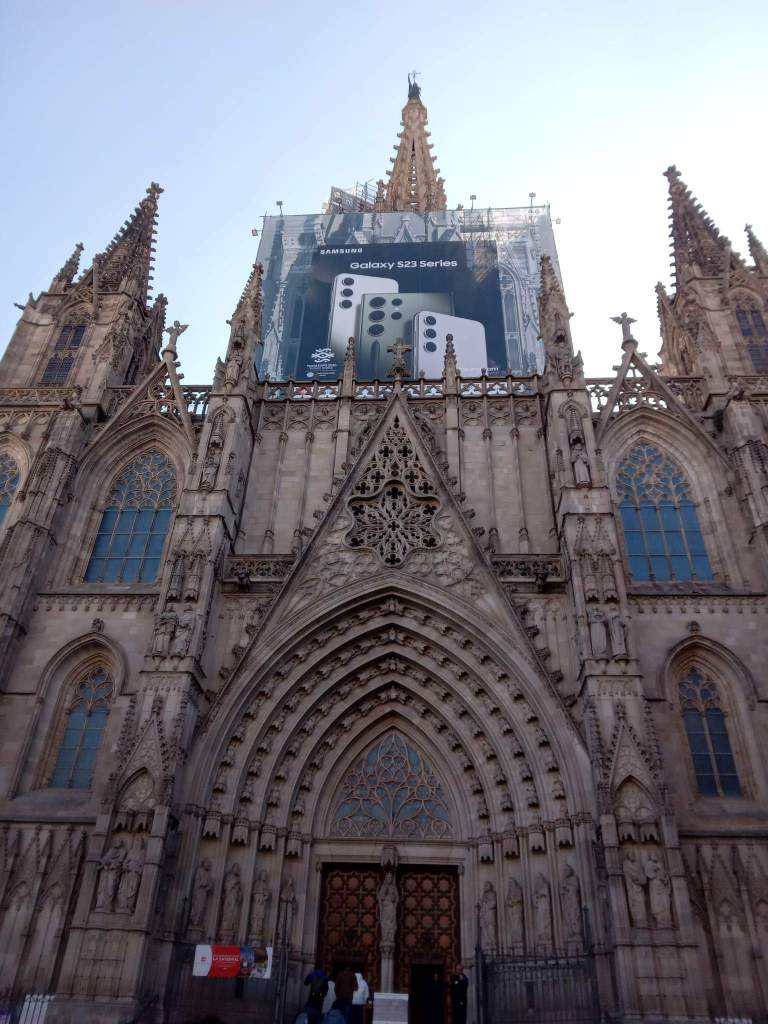
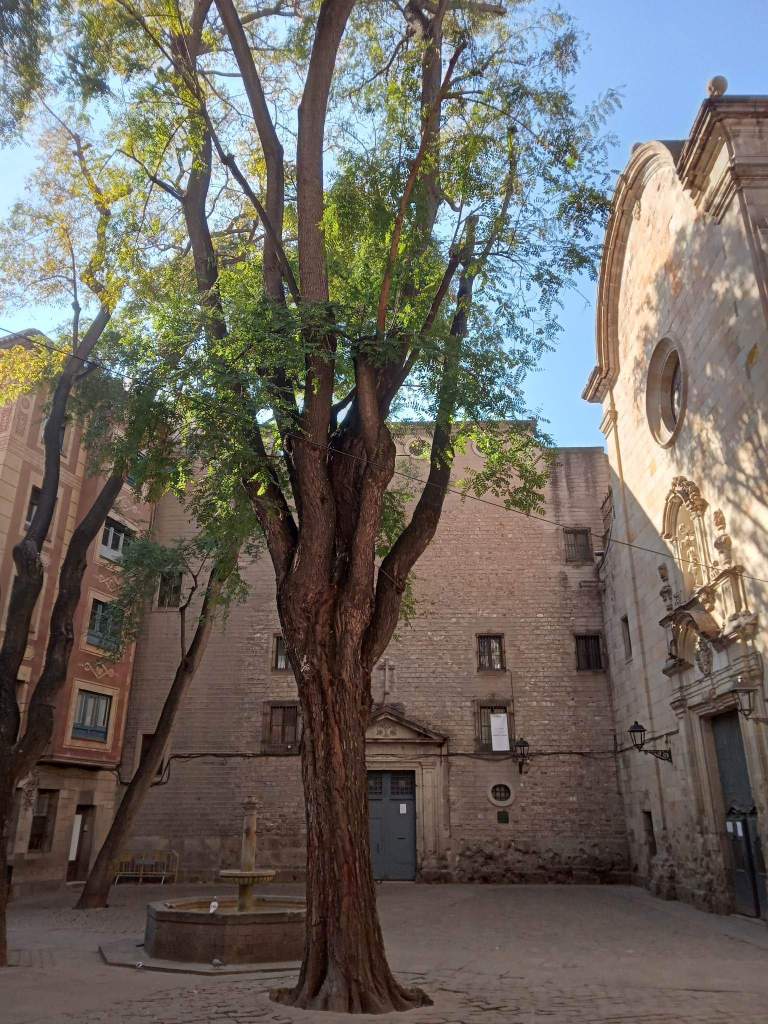
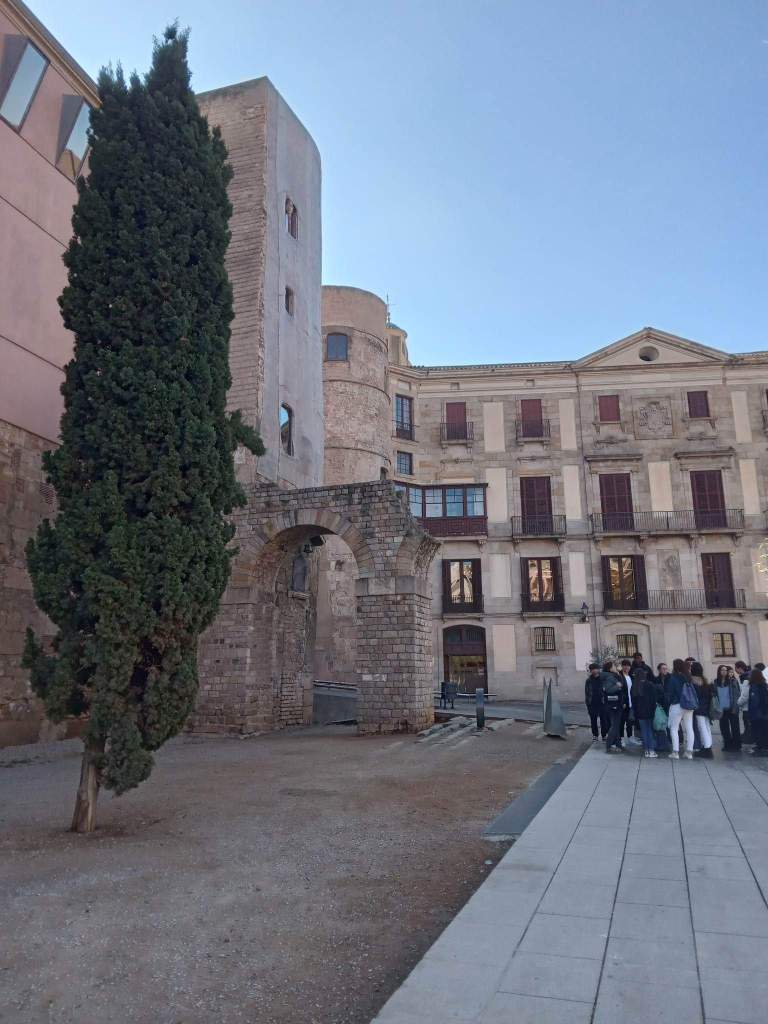
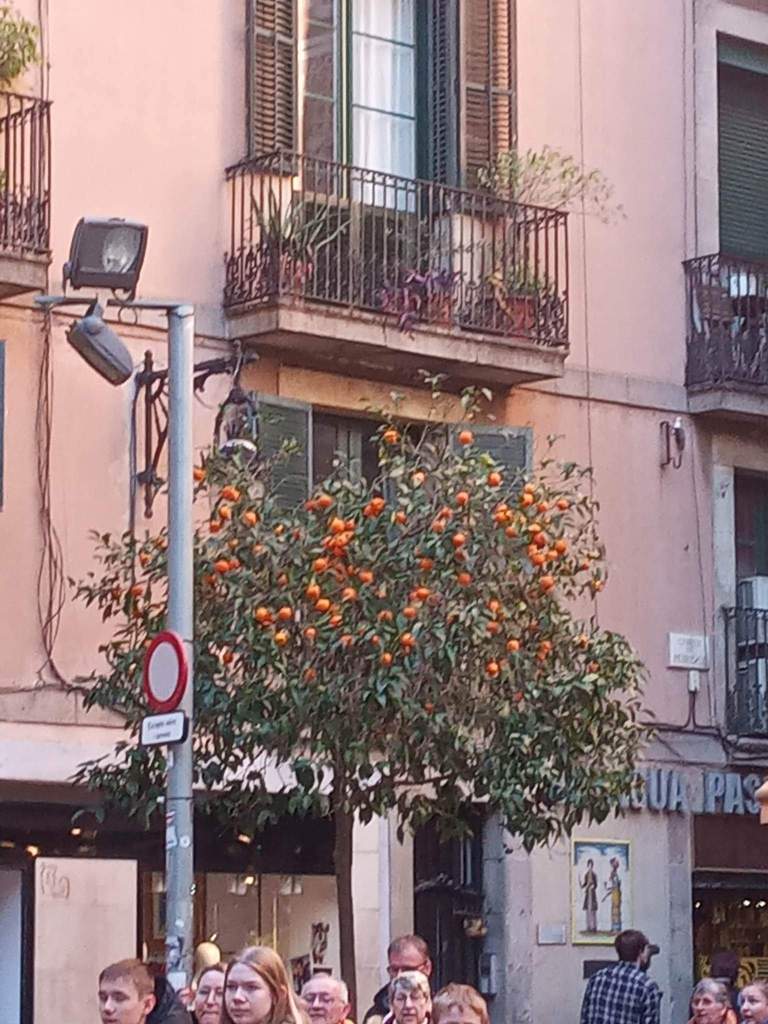
On route Albert explained that Americans made up 10% of the tourists who visited Barcelona. Stating they were the best tippers, this felt like a challenge, which probably worked as we ended up tipping him more at the end of the walk. In the main city live one and a half people and officially 13 million tourists a year. Because of the rivers, mountains and sea surrounding Barcelona there is no chance over further expansion, which Albert explained causes stresses and strains and grumpy residents. His words not ours – but we have seen banners hanging from buildings decrying Air B&B etc. The same issues as many cities and places across the world.
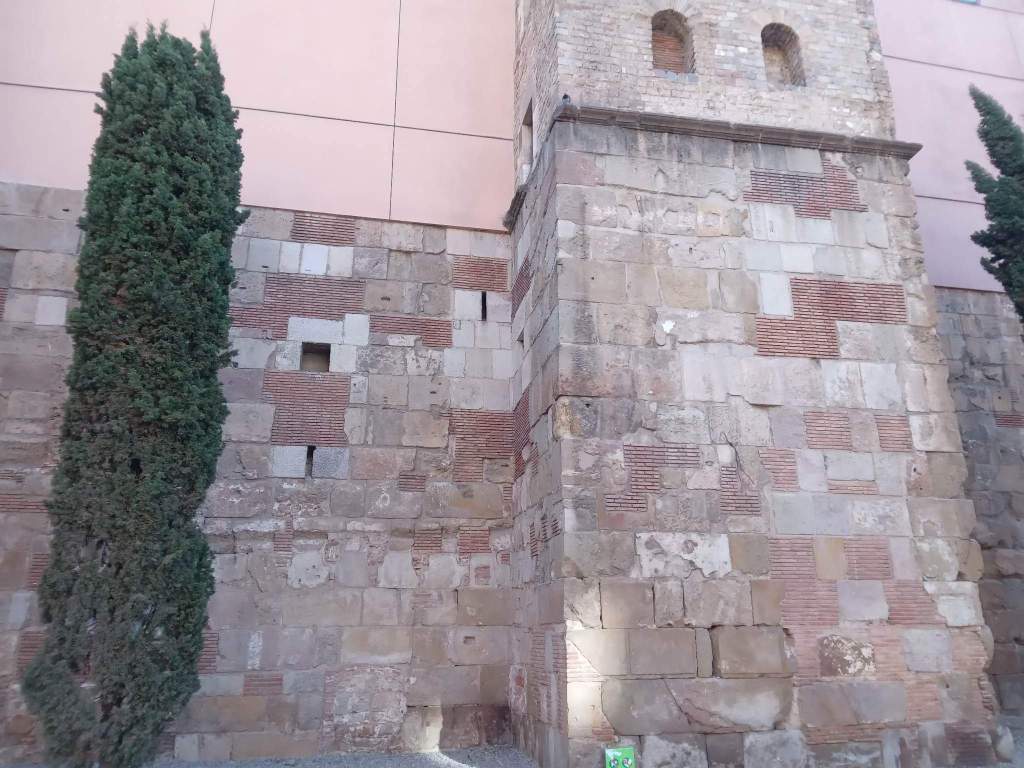
Evidence of battles over the years still evident on the walls of the city.
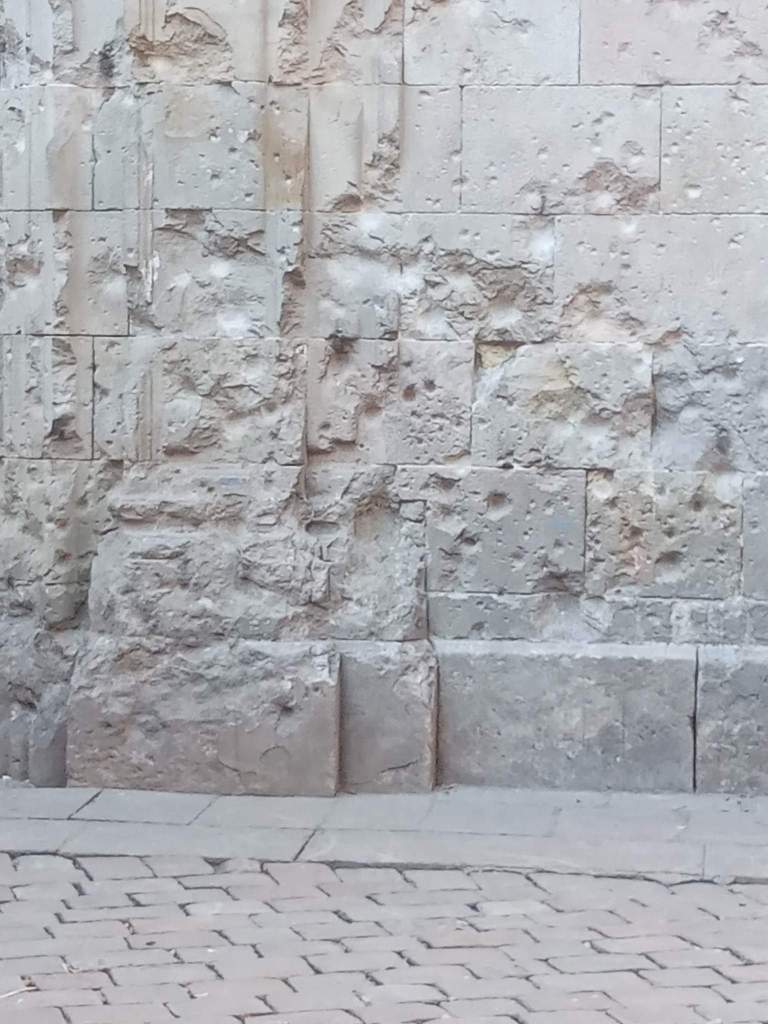
Albert said that it was a conscious choice not to repair the damage made my bombs etc – a reminder of the outcome of conflict. Behind this wall 42 people died, mostly children. Bombed in 1936. Both Lisa and Albert described how during the Spanish Civil War the bodies of nuns were exhumed and people danced with their skeletons on the streets. Over 50,000 people lost their lives during the Spanish Civil War, with over 8000 executions. Millions displaced and fled to France.
Albert also touched on the current political situation, which like Britain sounds complicated and fractious.
We passed through a labyrinth of small alleyways, Albert pointing out things of interest. My capacity to store this information decreased as the we went on. It wasn’t that he wasn’t interesting but I was getting hungry.
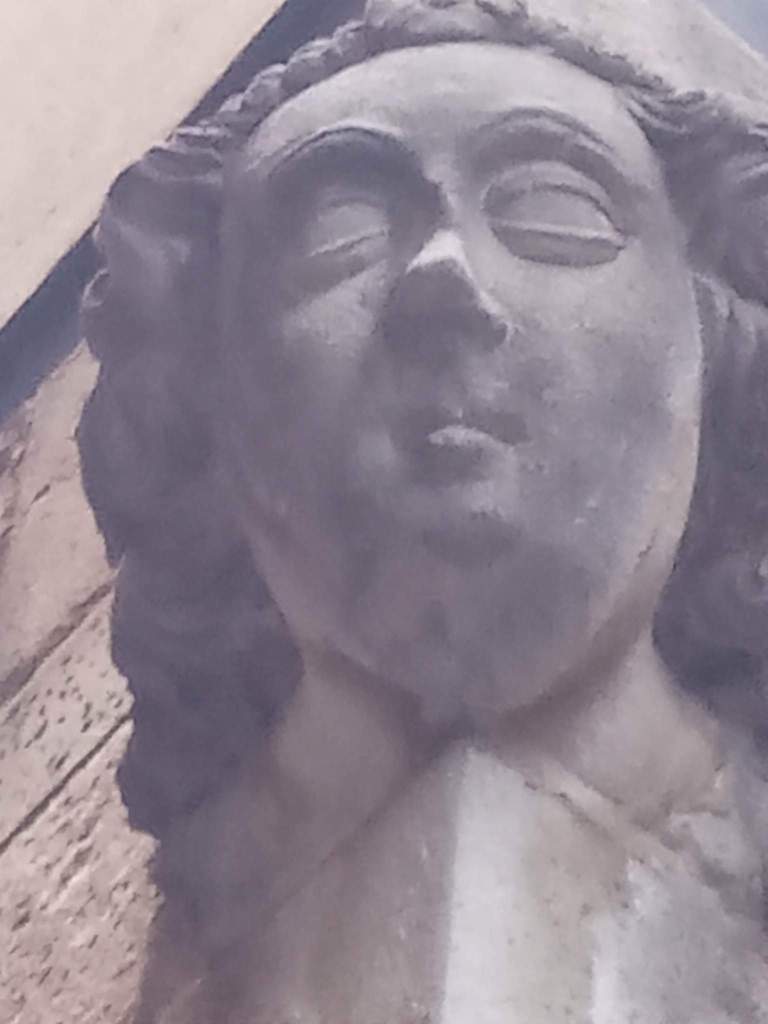
A stone head, known as a carassas in Catalan, guiding men in a subtle way to brothels. The women’s eyes half closed in apparent ecstasy. Sometimes the bottom halves of doors would be painted red or the numbers on them larger than neighbouring doors to show what it was.
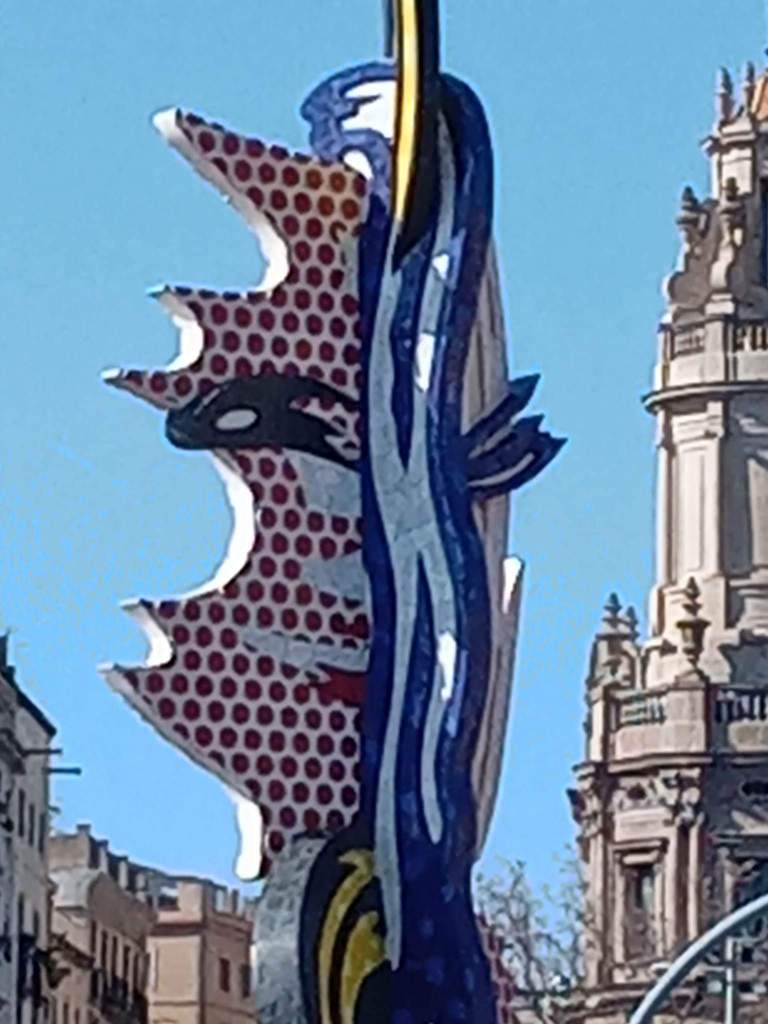
After the walk we headed to the port passing the Cap de Barcelona or Face of Barcelona. A 15 metre sculpture made by Roy Lichtenstein for the 1992 Olympics. Significant as it was his first outdoor sculpture. I think it has more than a nod to Gaudi.
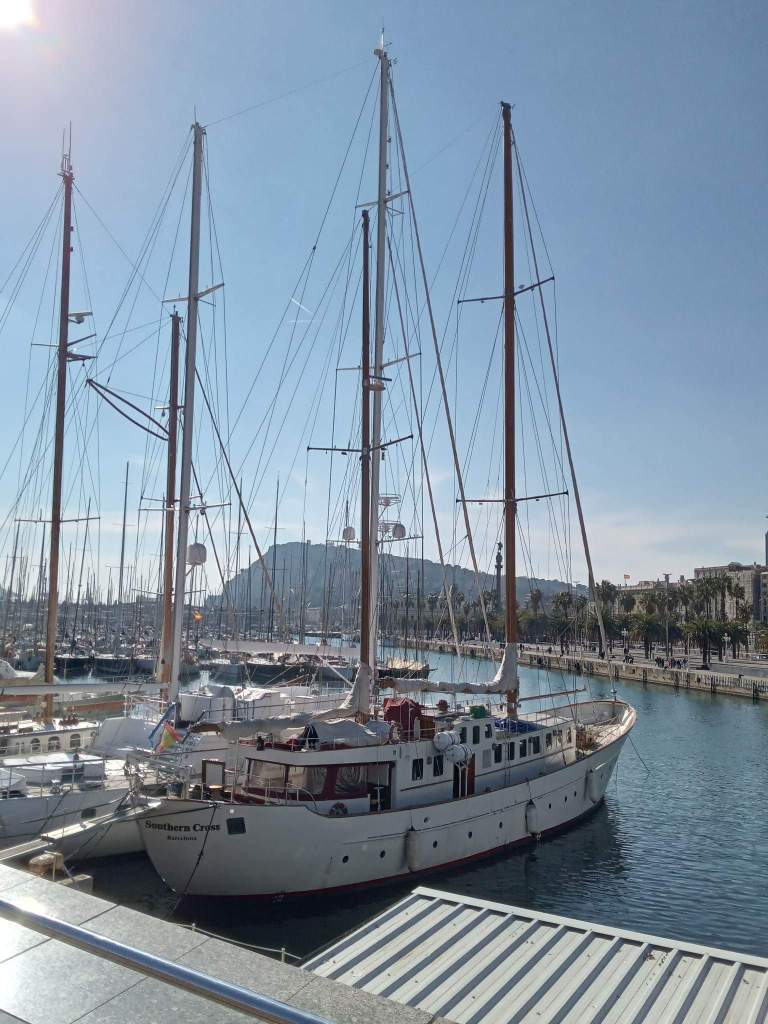
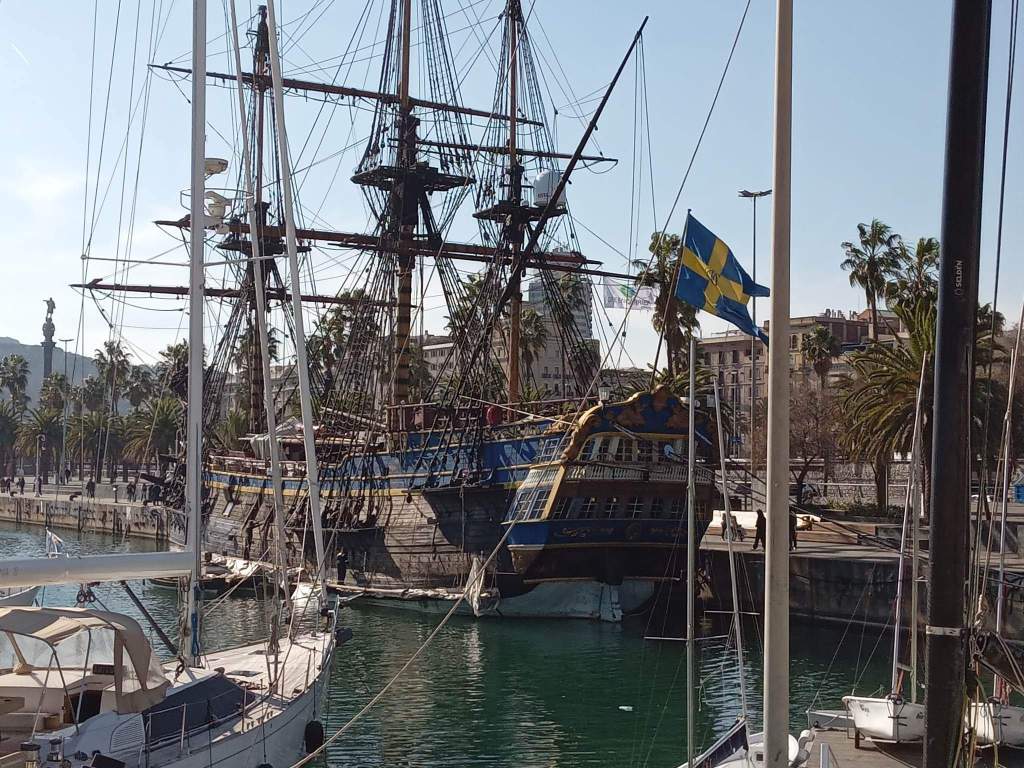
It was lovely sitting in the sun, chomping on our ill gotten gains from breakfast. Listening to the sounds of jazz from a busker playing a saxophone as a soundtrack to our people watching. The buskers here are particularly good.
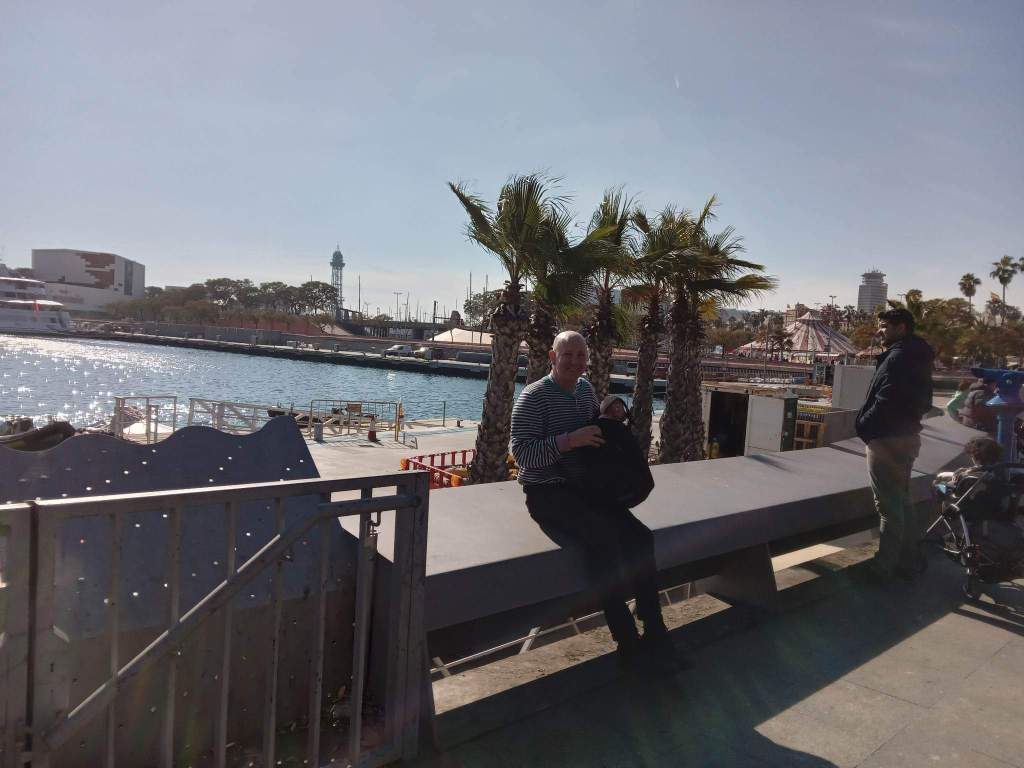
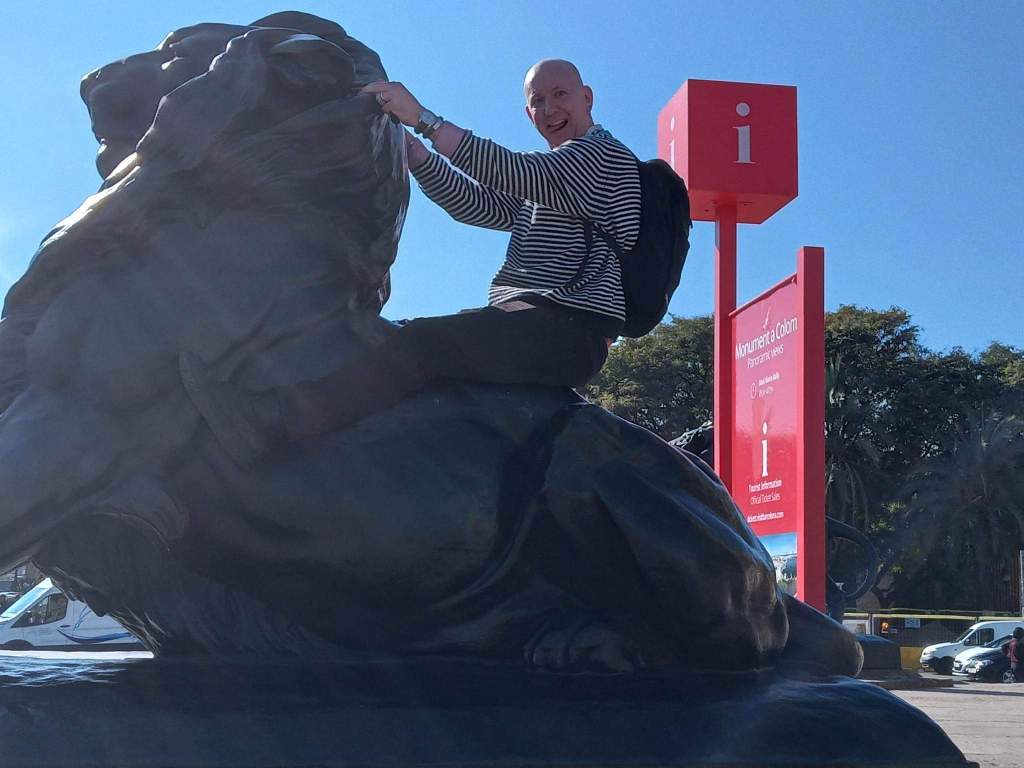
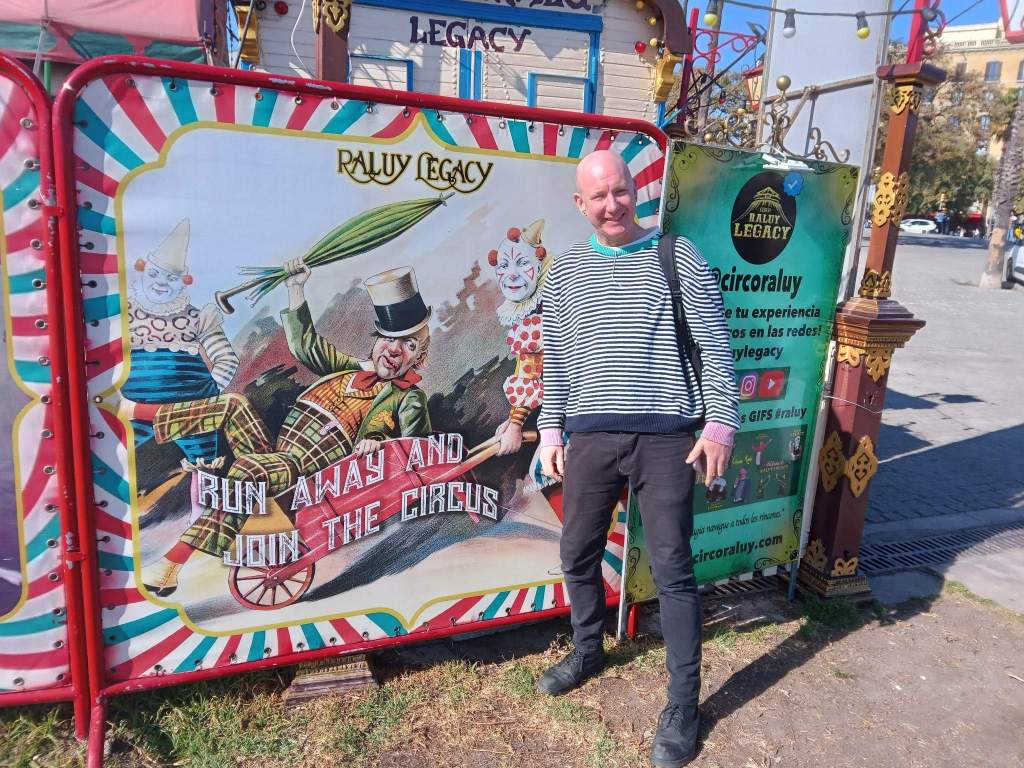
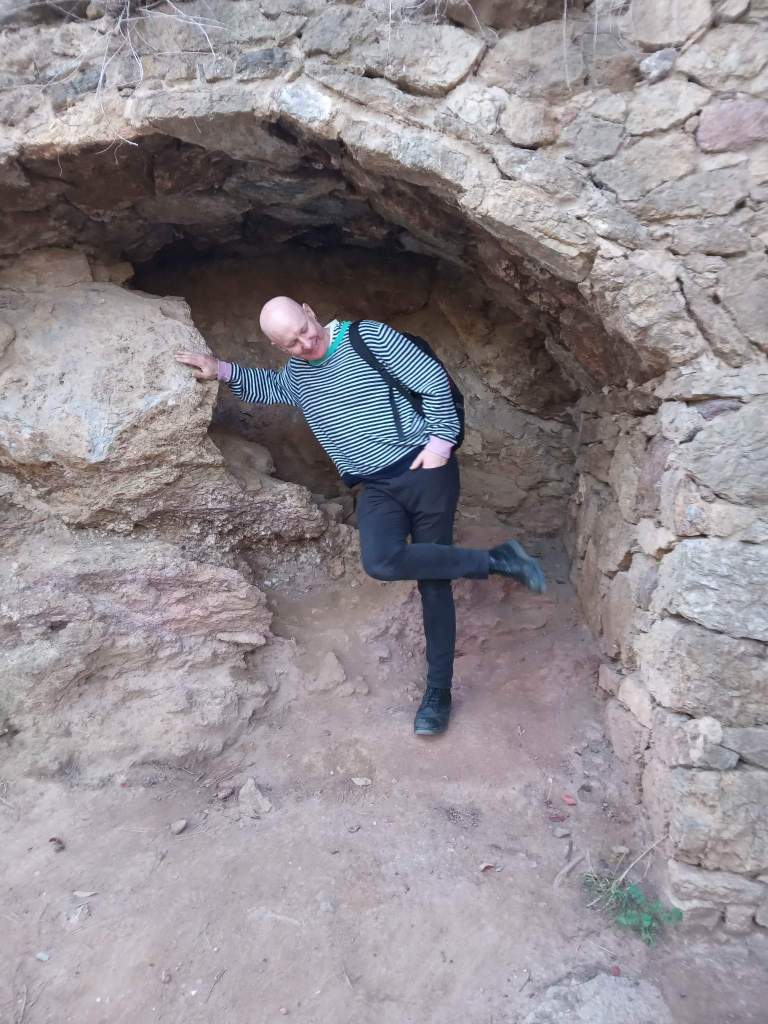
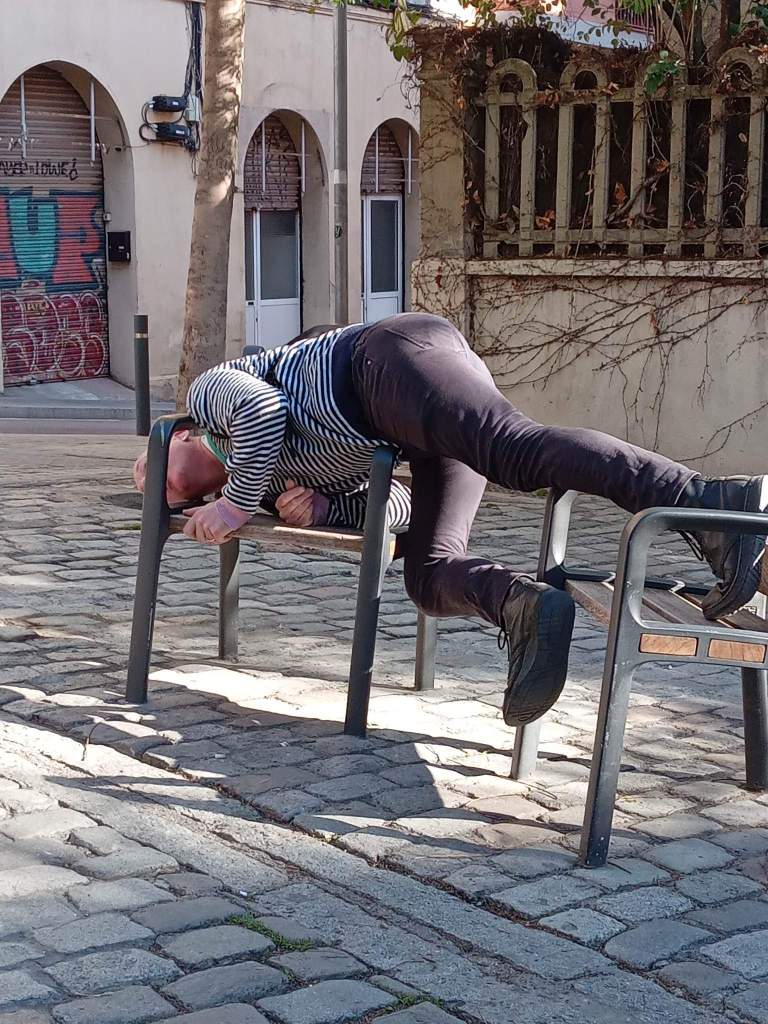
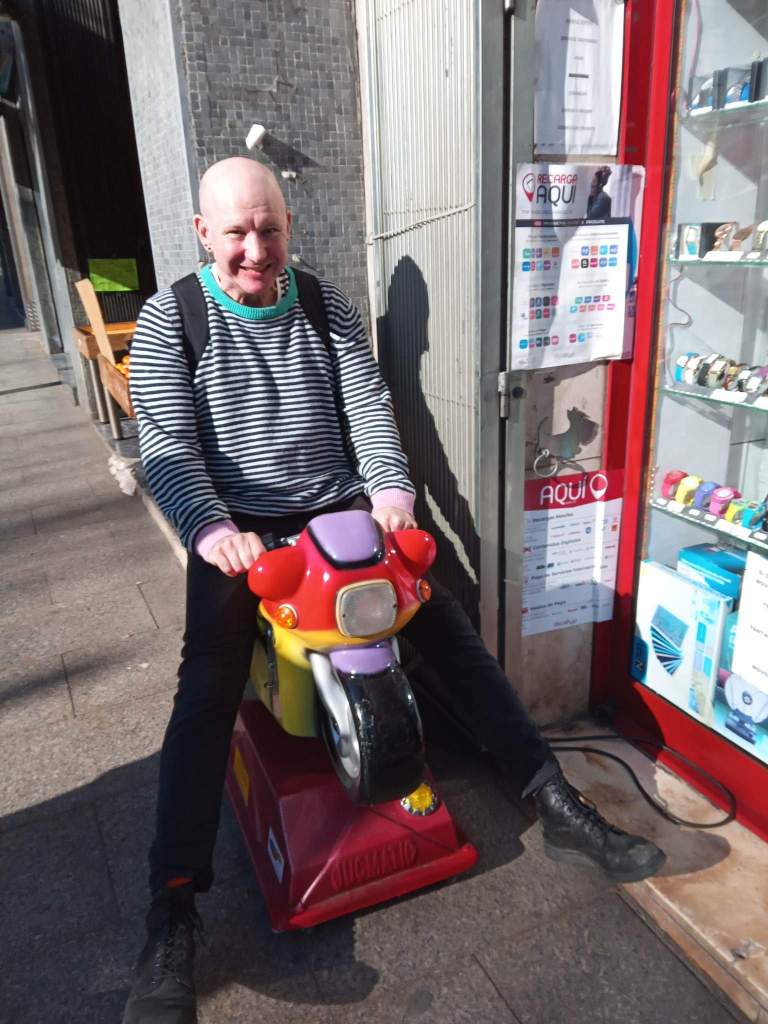
Pete was in a modeling mood today so I had to take all manner of photos of him – at one point he got his head stuck for a bit.
Before going to Parc Guell we stopped for a drink and had a cake, which was more like a biscuit.
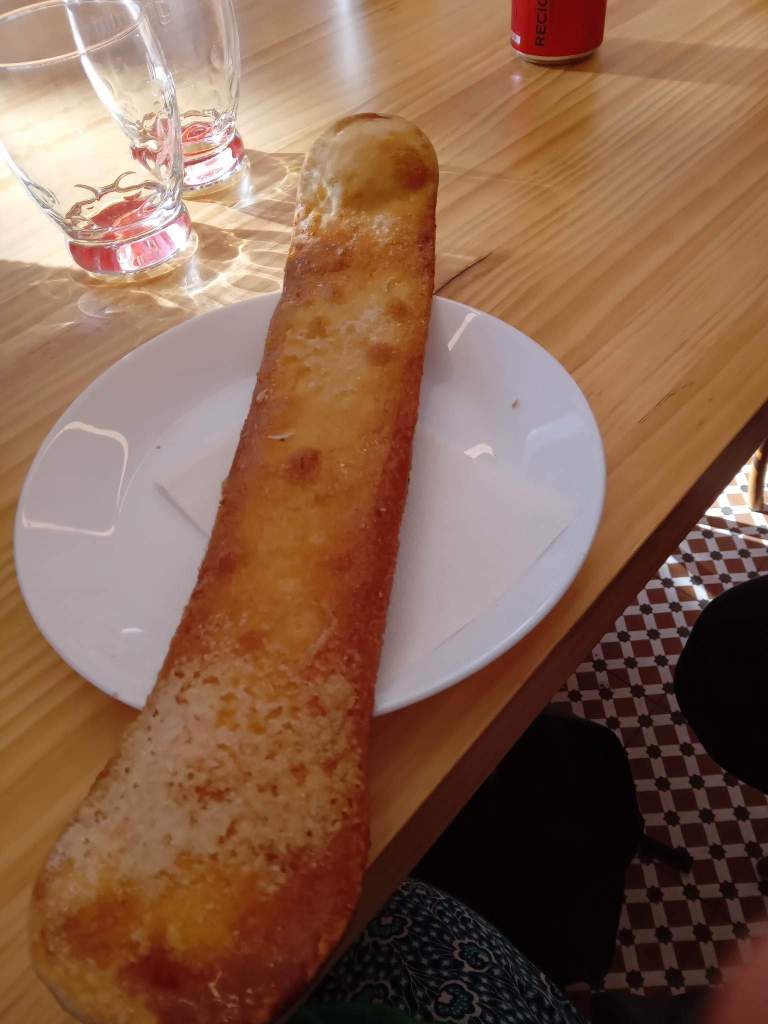
Coque de vidre, sweet, crispy and delicious. Always good to try a few different delicacies.
I don’t know it it had just been a long day but we got confused trying to find the park. We had to walk up a series of steep streets as only to pass a series of open air escalators!
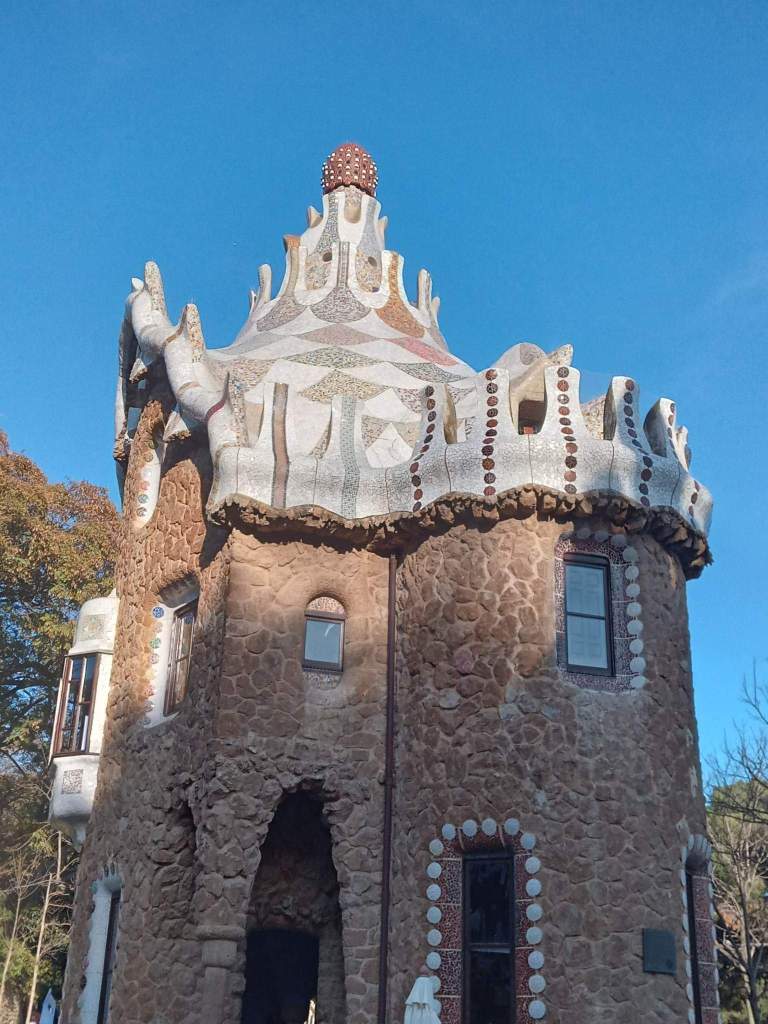
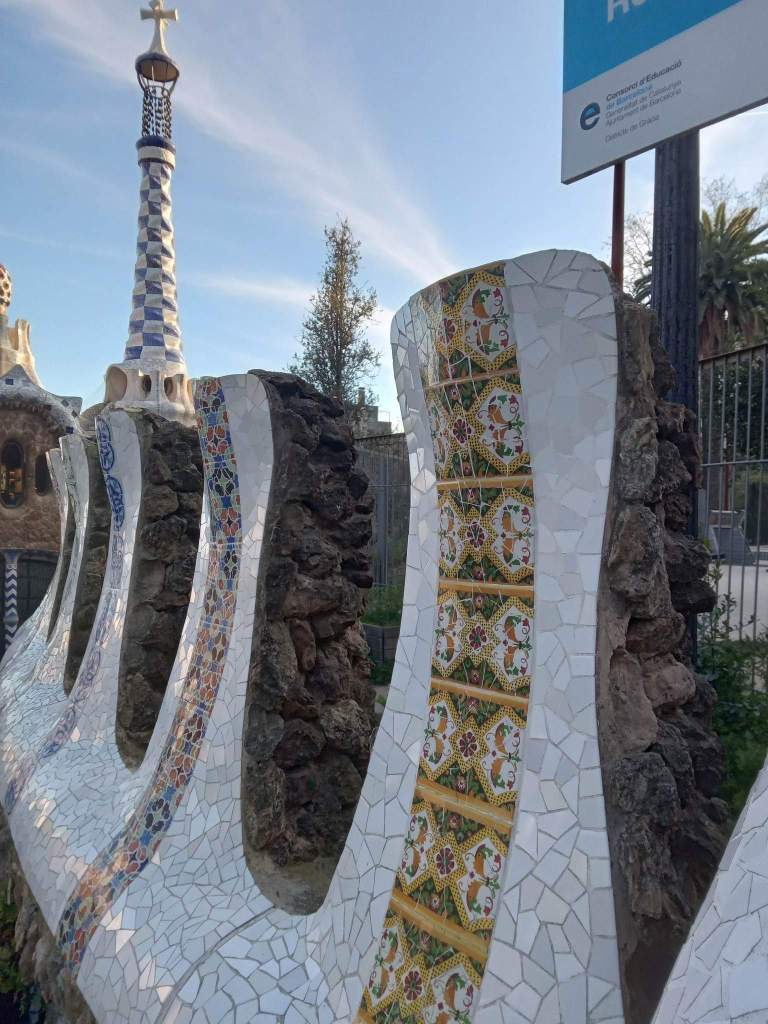
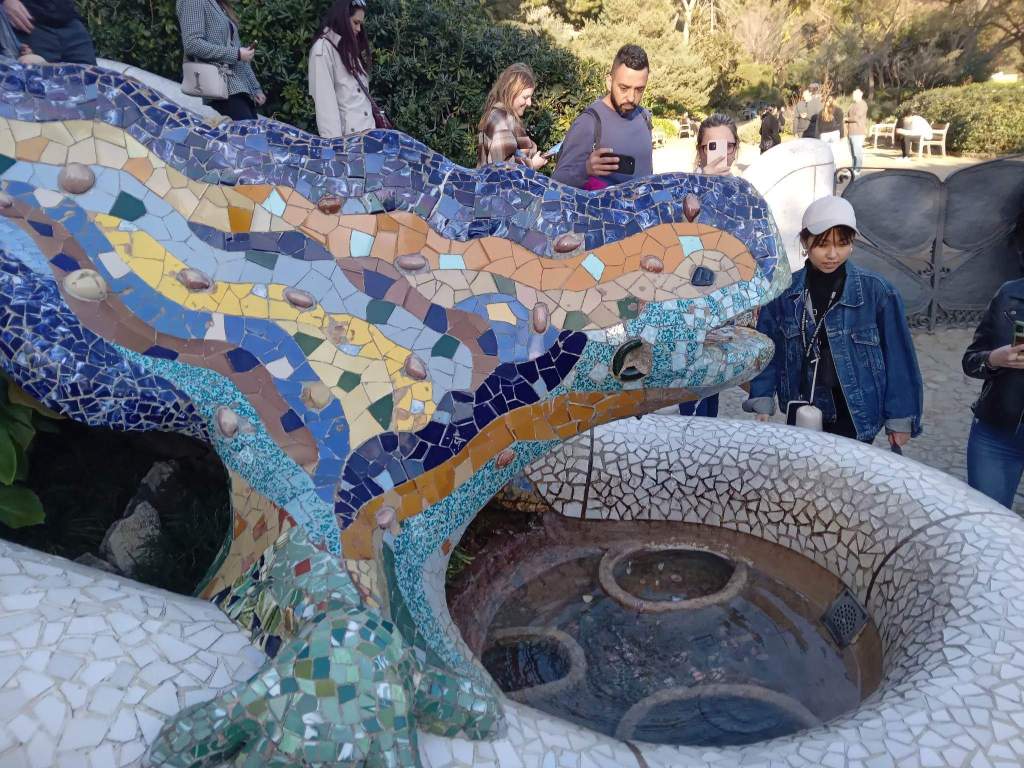
Parc Guell is basically a failed housing project, in fact only two houses were built over a four year period. Guell, Gaudi’s patron commissioned it. As with many of Gaudi’s work it was inspired by nature, there are no straight lines here, as there are none in nature. Gaudi wanted a housing a complex where man and nature were at one.
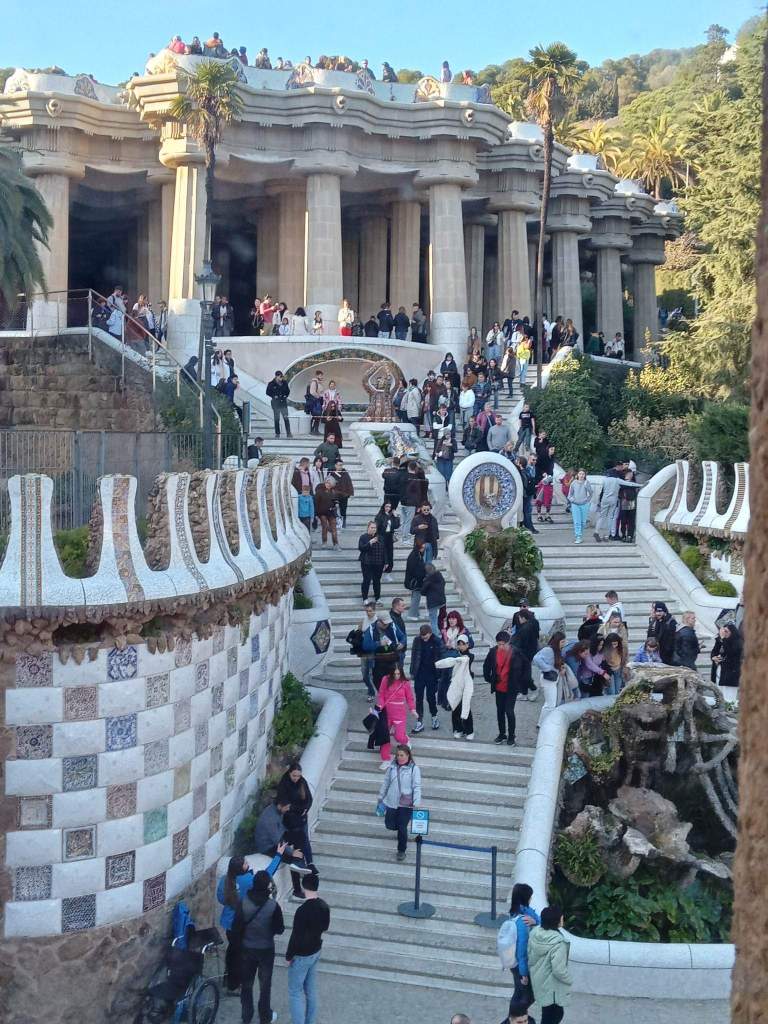
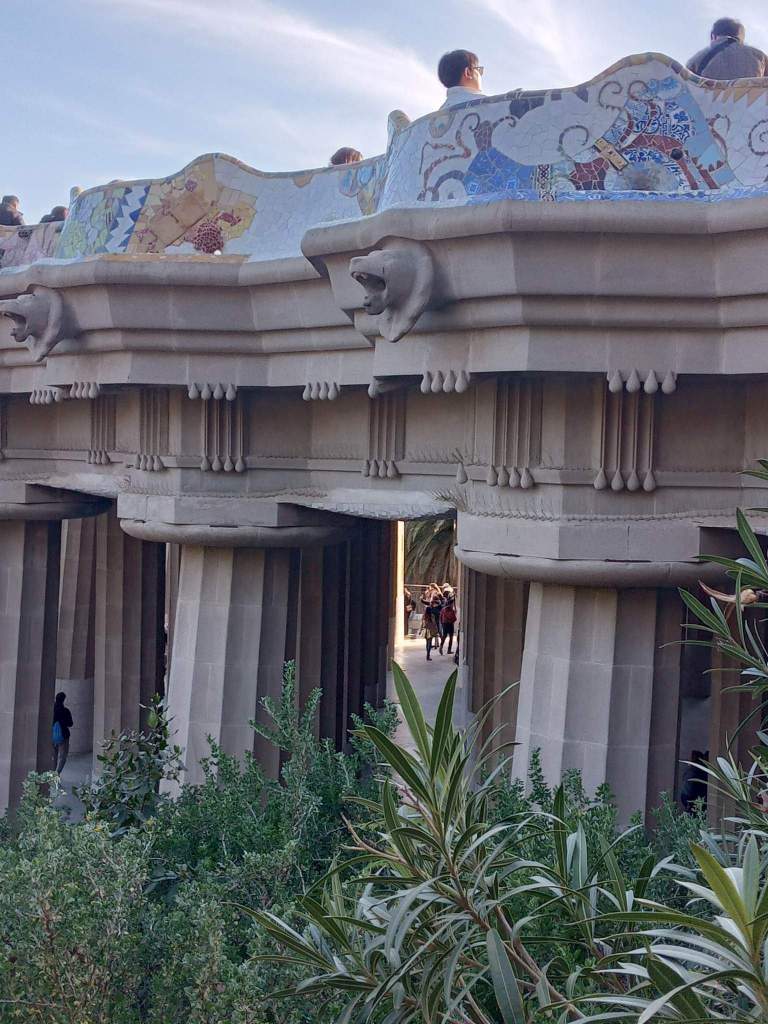
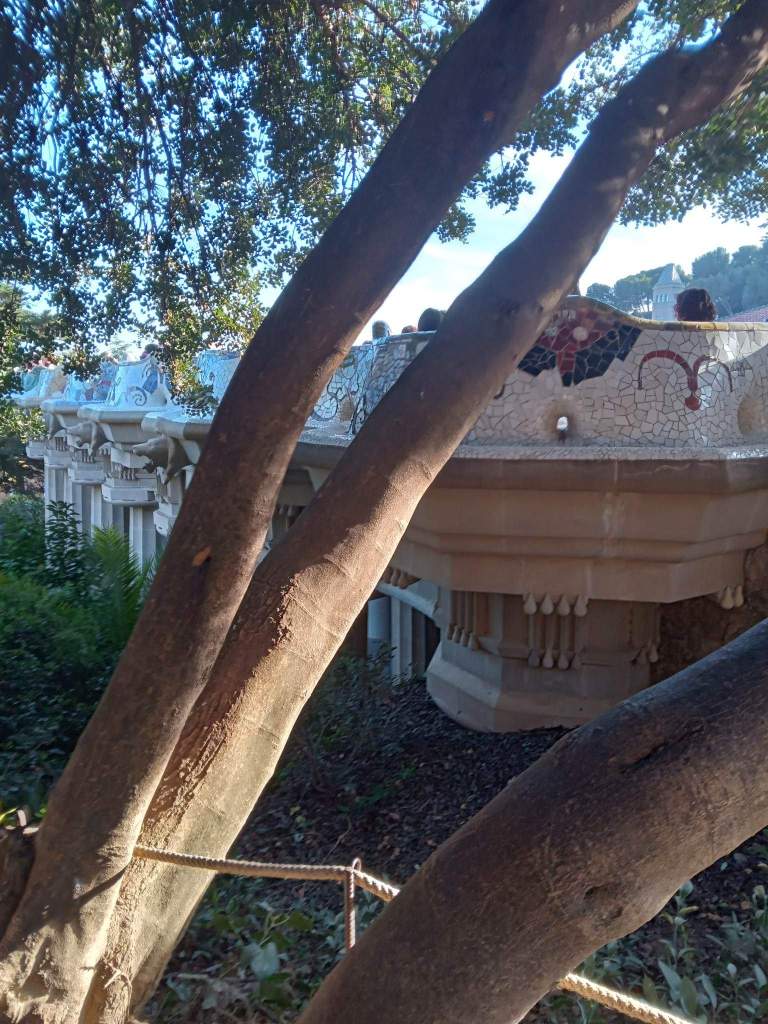
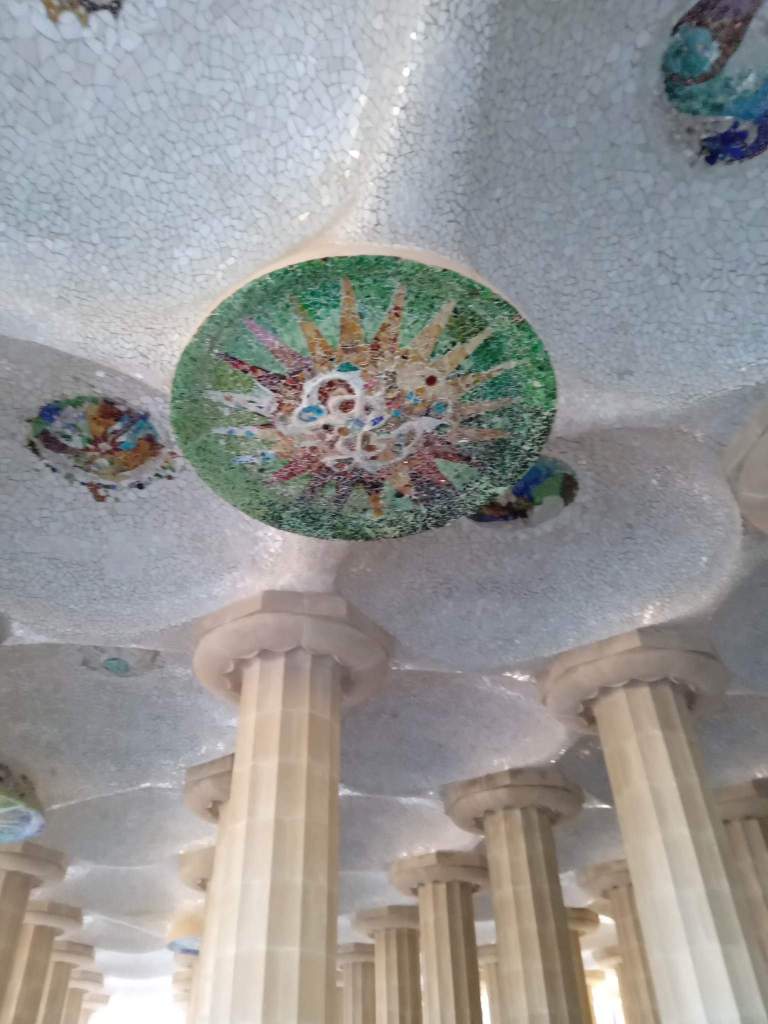
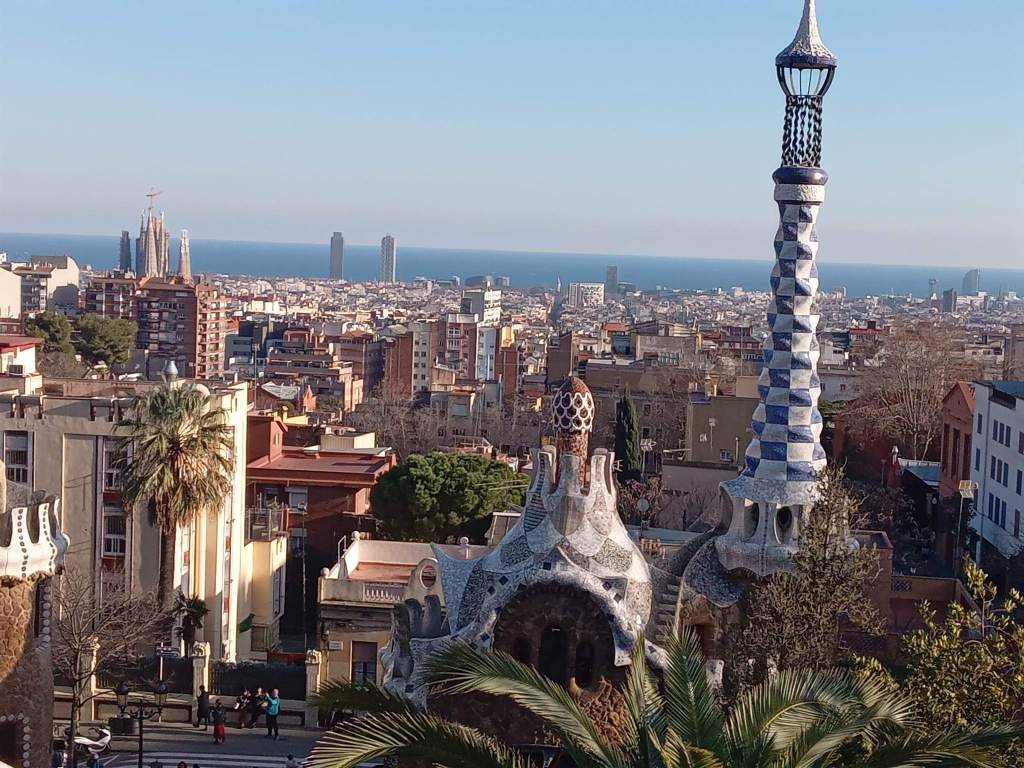
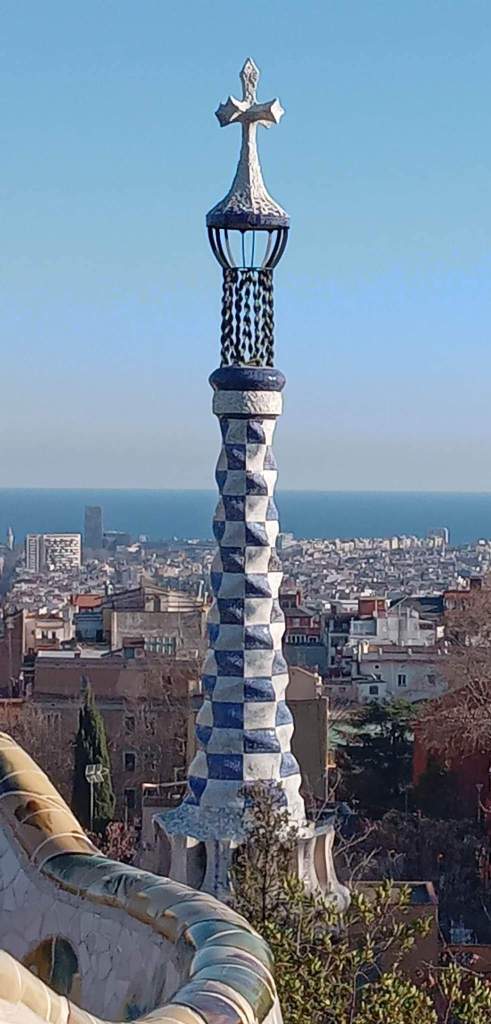
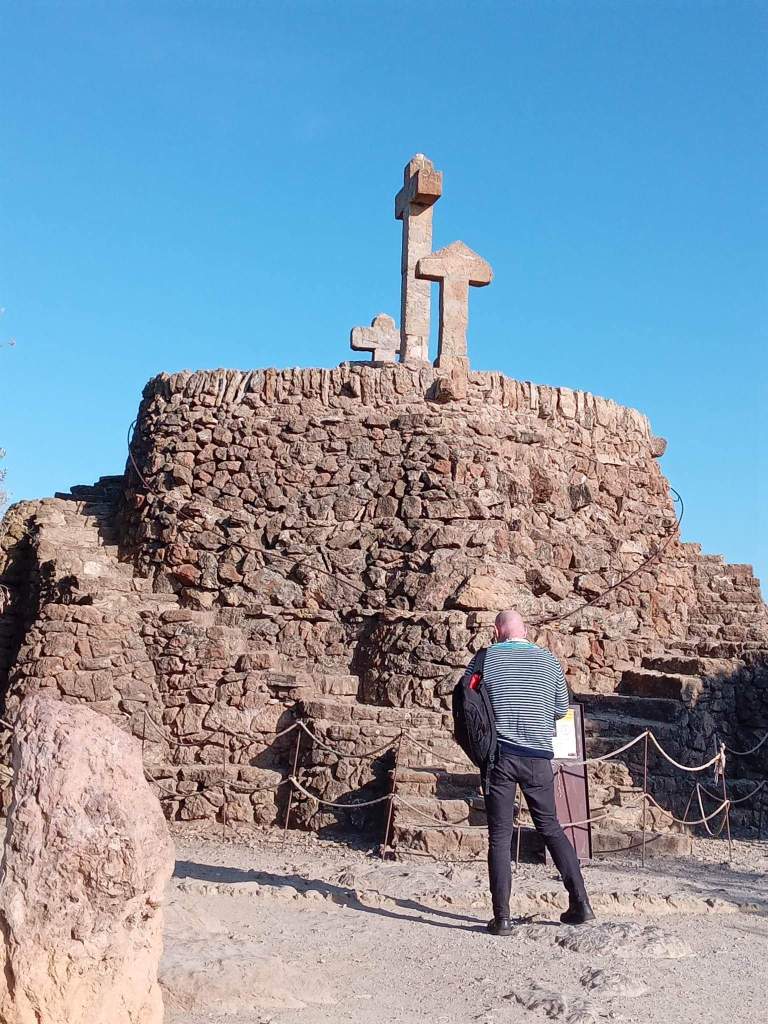
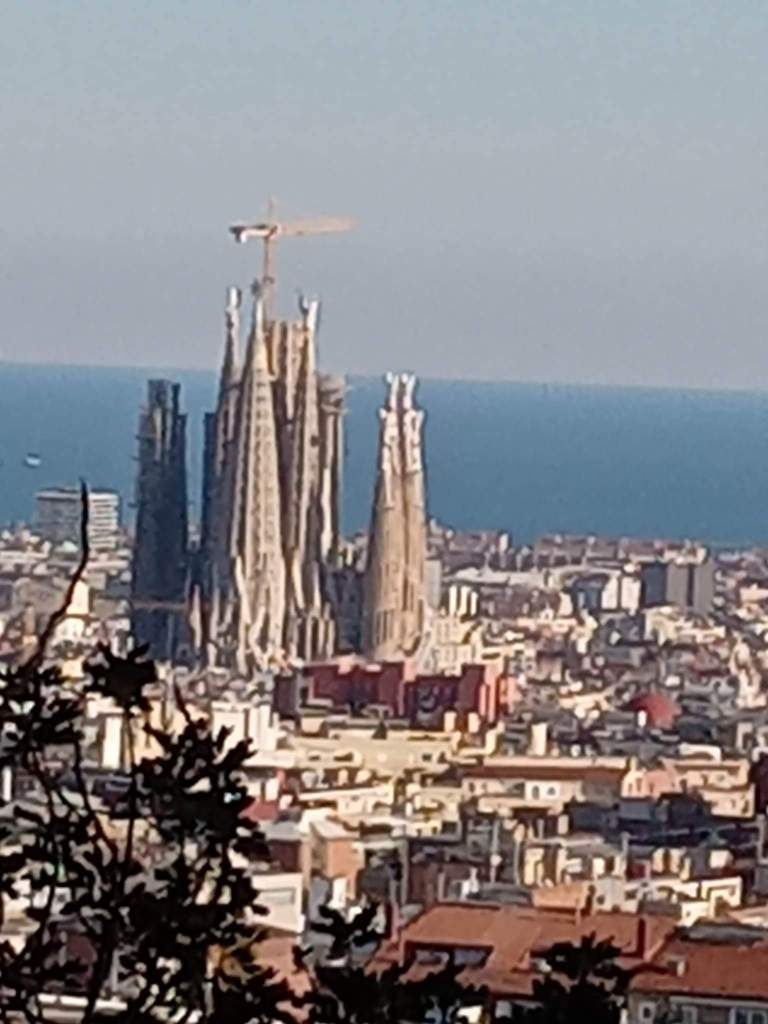
It had a fantastic view of the city below, as well as the Sagrada Familia.
It was quite busy in the park but then again an estimated 12 million people visit it a year. I can imagine it is rammed in the summer. Ironic as at the time many people just didn’t get what Gaudi and Guell were trying to achieve and just didn’t like what they saw in the model house. In the end only Gaudi and his family lived in the complex.
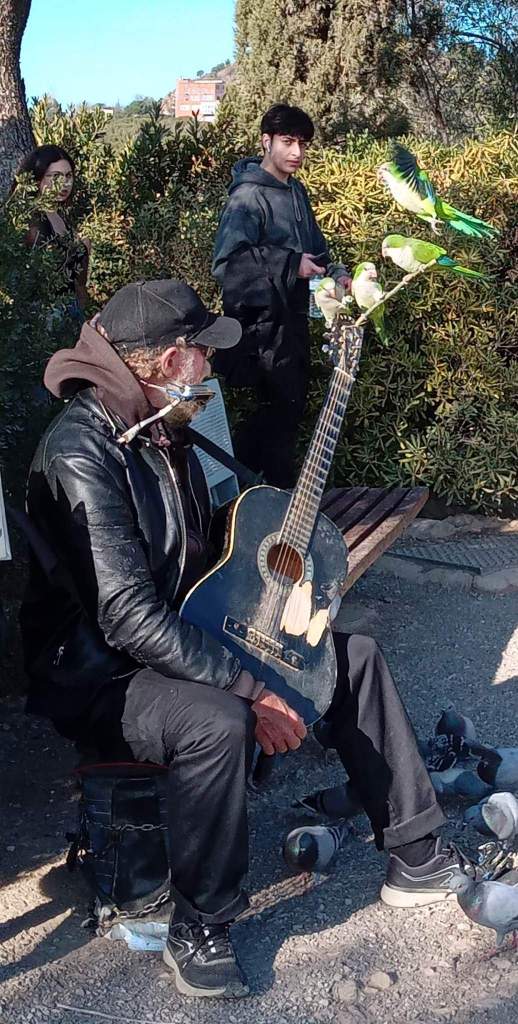
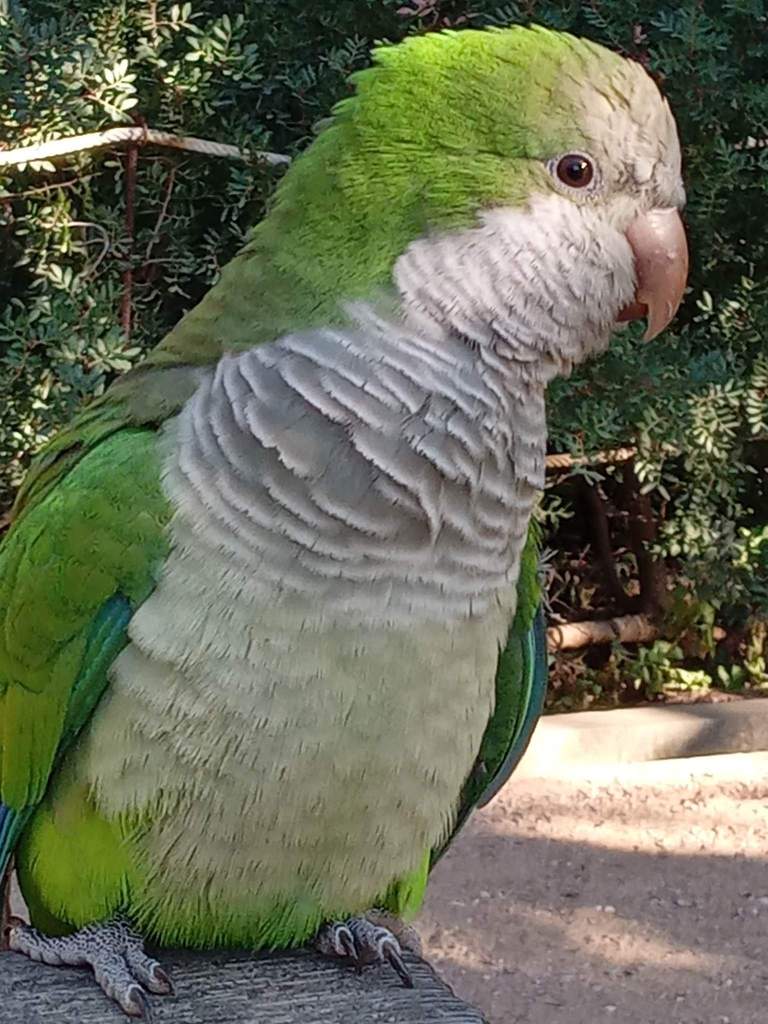
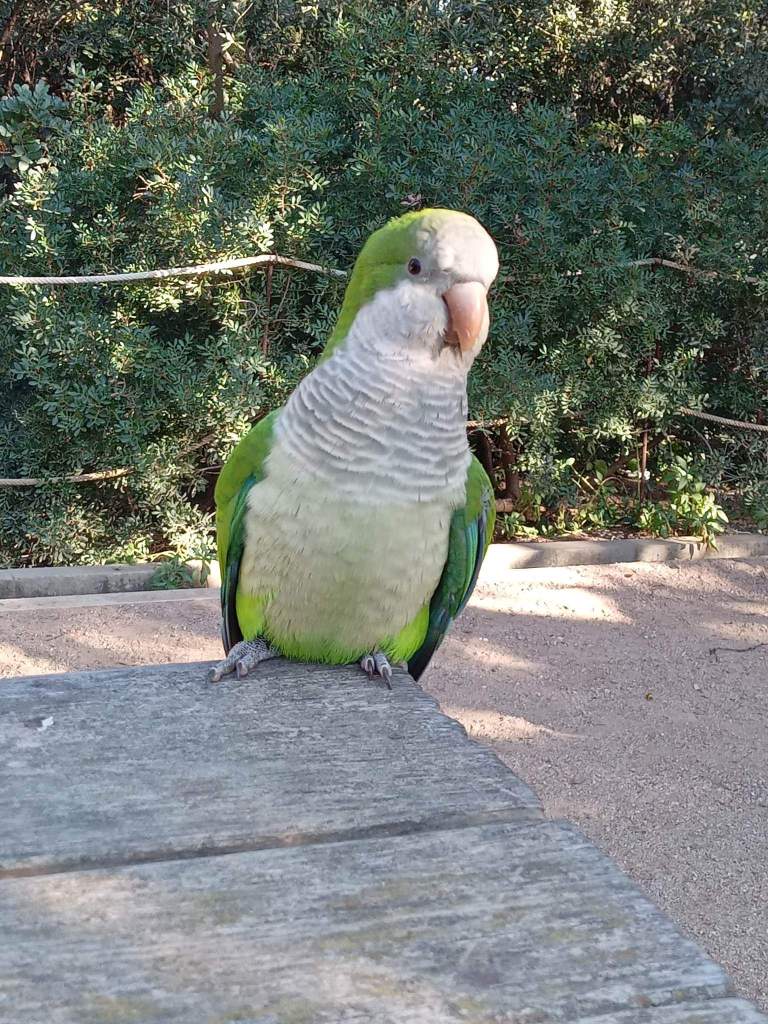
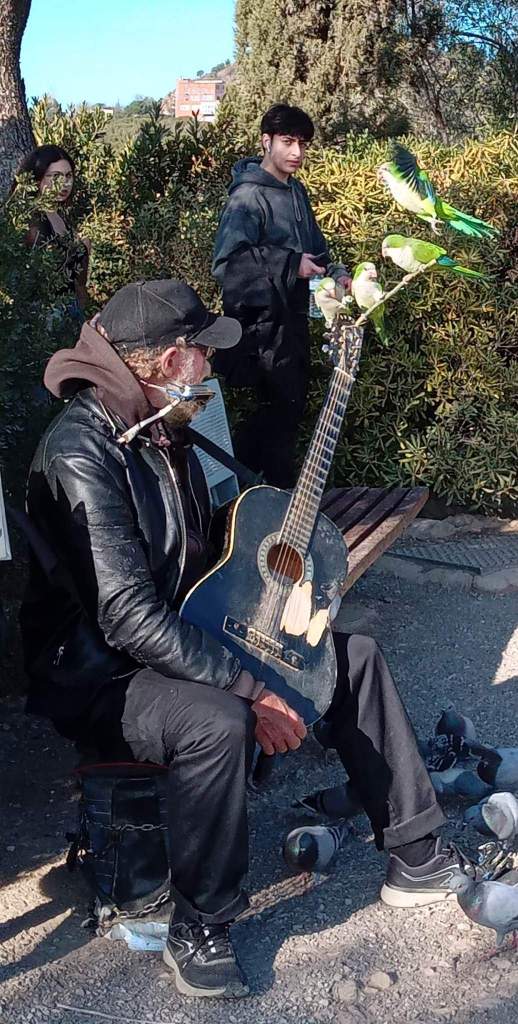
We saw a lot of monk parakeets there. Whilst I really like them they are many concerns about these birds who are impacting on Spain’s natural flora and fauna. But they were cute.
When we got back to the hotel we were hoping for a break but we greeted by loud drilling – the hotel had started building works just under our room. The drilling was incessant and felt like it was in our room. Our luck seemed to have run out again.
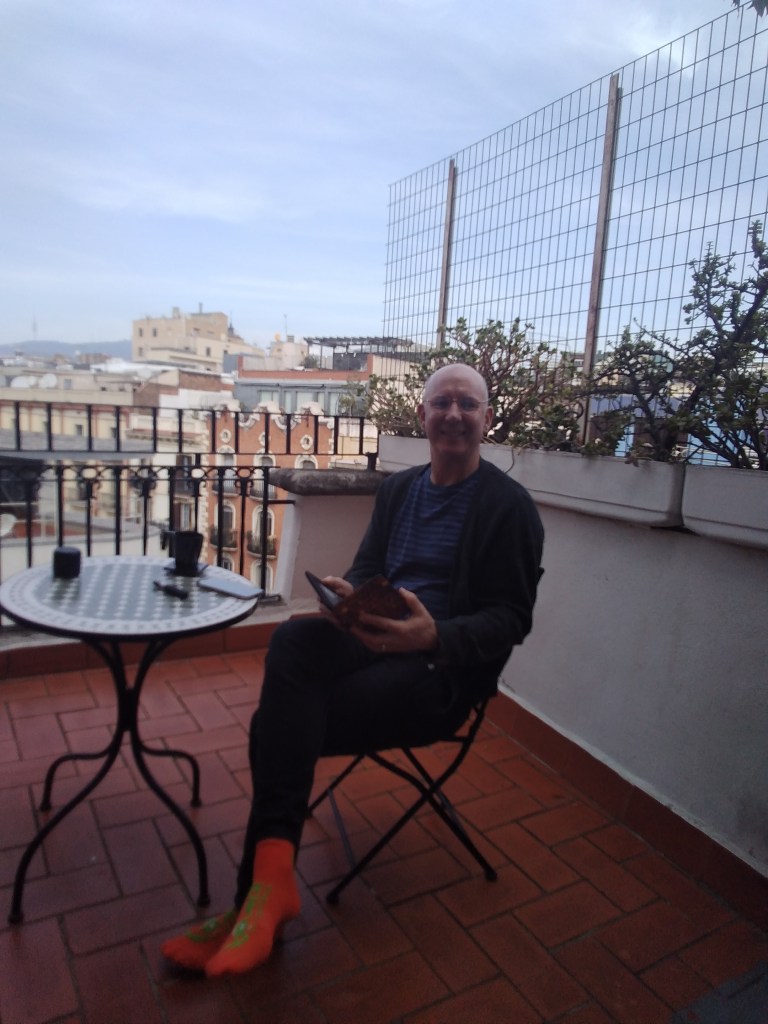
However, this time when we mentioned it to the front desk we were upgraded to a room on the top floor, gigantic, much more luxurious and with a fabulous balcony to boot!
We have loved the food here so far, particularly the tomatoes! We had tapas tonight that was delicious. It is widely accepted that tapas properly originated in the 16th Century when King Felipe tried to limit drunkenness on the streets bt forcing innkeepers to serve small dishes with their drinks. The classic was to eat tapas is called tapear, which means in Spanish to go from bar to bar and order tapas and a drink. A much more refined pub crawl.
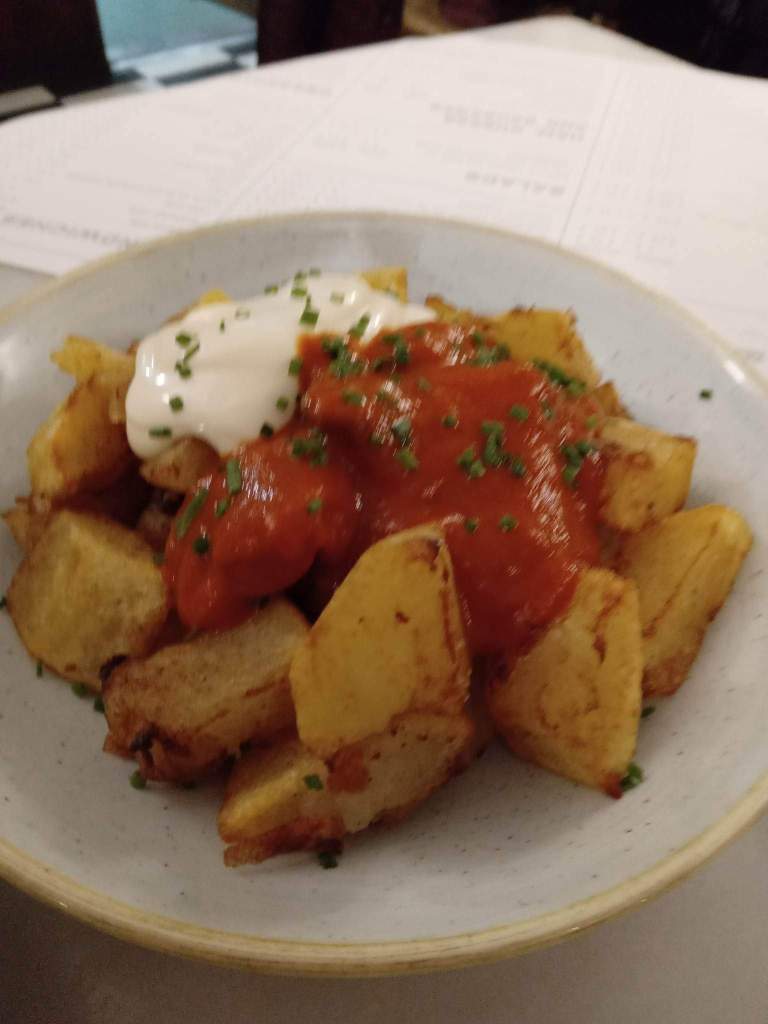
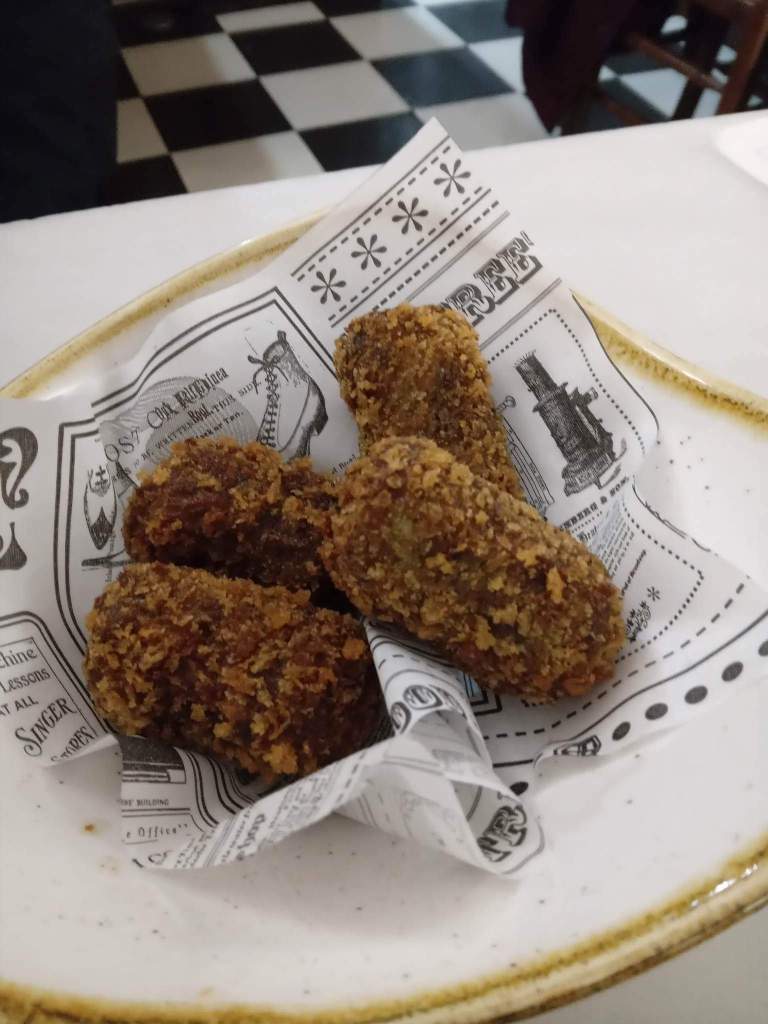
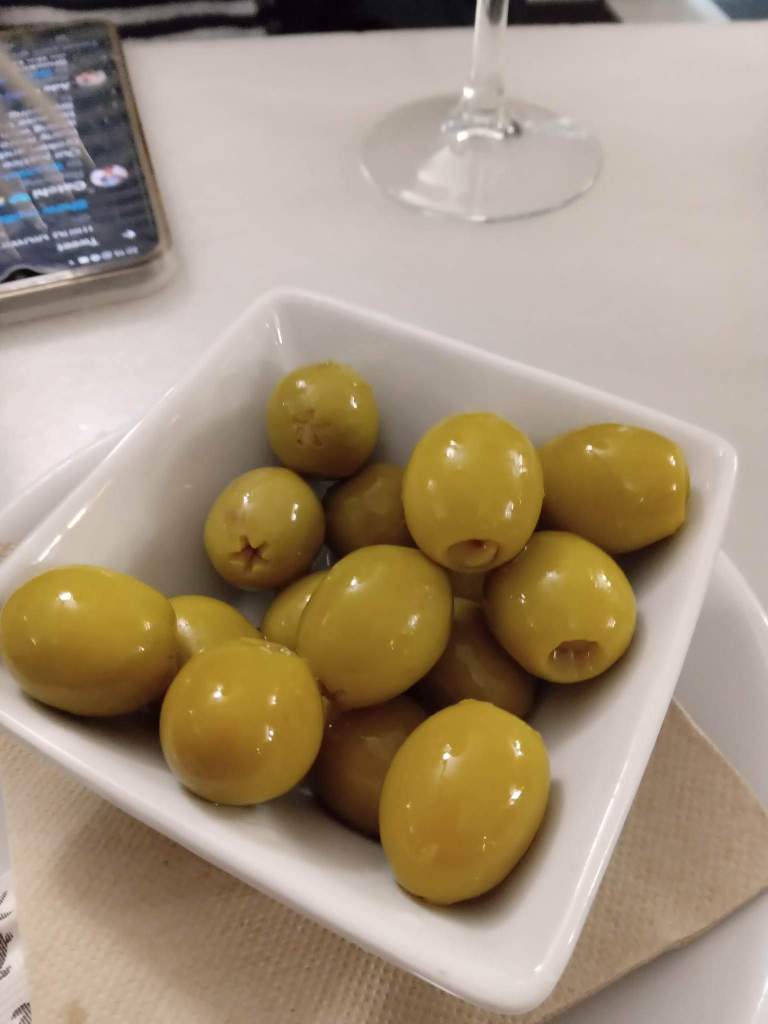
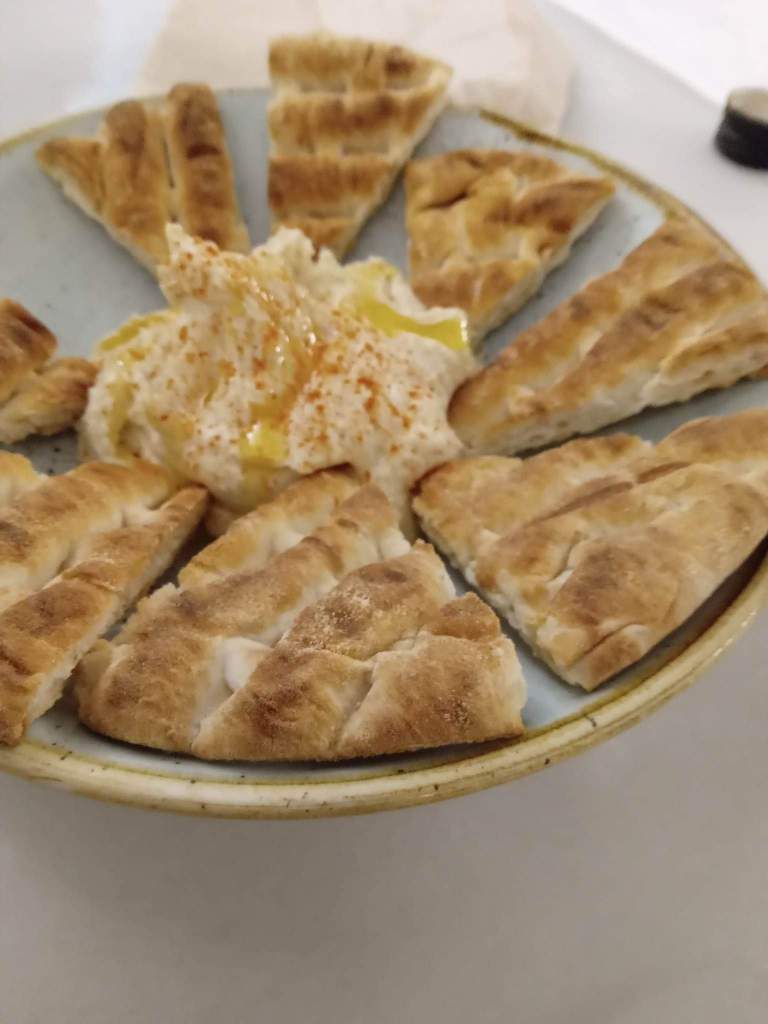
Yum Yum!
 Random Acts of Travelling